
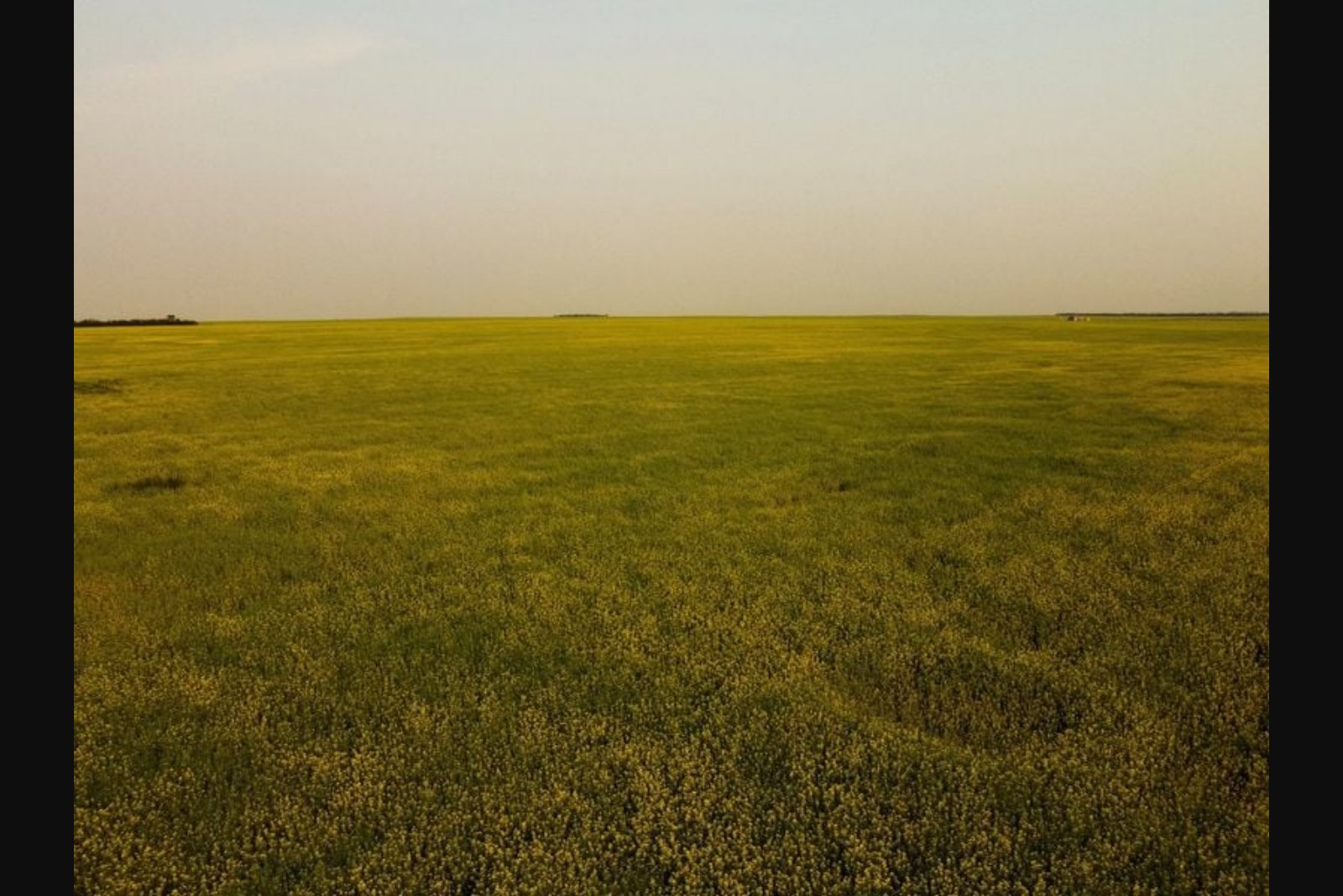
Canada’s principal prairie crops - including durum, spring wheat, canola and several pulses - are battling a pronounced outbreak of fungal diseases after an unusually wet spring and early summer left soils saturated and created the warm, humid conditions that favour pathogens.
Farmers confronted a stark economic decision this season: reduce spending on inputs for crops that face weak profitability because of elevated fertilizer and other costs, or invest further to defend the plants already in the ground. Many producers chose the latter route.
"We sprayed everything with fungicide this year," said southeastern Saskatchewan grower Jake Leguee, who manages roughly 19,000 acres (7,689 hectares) of durum, wheat, lentils, flax and spring wheat. "It becomes big dollars pretty quickly." Leguee said he spent between $6 and $20 per acre on fungicide to try to protect his crops.
The sudden surge in disease pressure struck in early summer and posed a material threat both to the volume and the grade of Canada’s exportable crops. The country is the world’s leading exporter of canola, durum wheat, dry peas and oats, and is a leading supplier of high-protein spring wheat - positions that make the outcomes of this season closely watched.
Inputs dealer Ray Redfern of Brandon, Manitoba, said the bulk of farmers decided to keep investing in fungicide applications even as margins compressed. "It was a must-do. They elected to continue to invest money in the crop," Redfern said, noting he had expected some growers might cut back on fungicide spending because of collapsing crop profits and tightening finances.
Redfern added that many producers are reaching the limits of their operating credit and facing deteriorating cash flow, increasing the pressure on this season’s economic decisions. "Many farmers are getting to the end of their operating line (of credit) and they’re running out of cash flow," he said.
Crop advisers and regional specialists described the disease threats by crop type. Durum and spring wheat are at risk from fusarium head blight; canola faces sclerotinia and blackleg; and pulse crops are contending with a range of fungal infections. In parts of the Red River Valley, advisers said farmers with available cash or credit prioritized fungicide purchases because the moisture and frequent rains offered little alternative.
"Given the moisture and the frequent rains, there was no question," said crop adviser Brunel Sabourin of St. Jean Baptiste, Manitoba.
For producers such as Leguee, the results of this season’s defensive spending will only be known once harvest is underway. He said most of his crops other than lentils appear healthy above ground, but cautioned that problems can hide inside kernels and pods, potentially undermining quality.
"It’ll be a few weeks before he knows if he got the right fungicides in the right places at the right time," said Leguee. "We won’t know till we get the combines in the field. Sometimes it works, sometimes it doesn’t."
The scale of this season’s interventions - widespread fungicide use across multiple crop classes - reflects a trade-off many producers accepted: incur immediate additional input costs to protect existing stands, despite squeezed margins and rising liquidity constraints. How effective those measures prove in protecting tonnage and grading will determine the near-term prospects for several of Canada’s export commodities.