
Overview
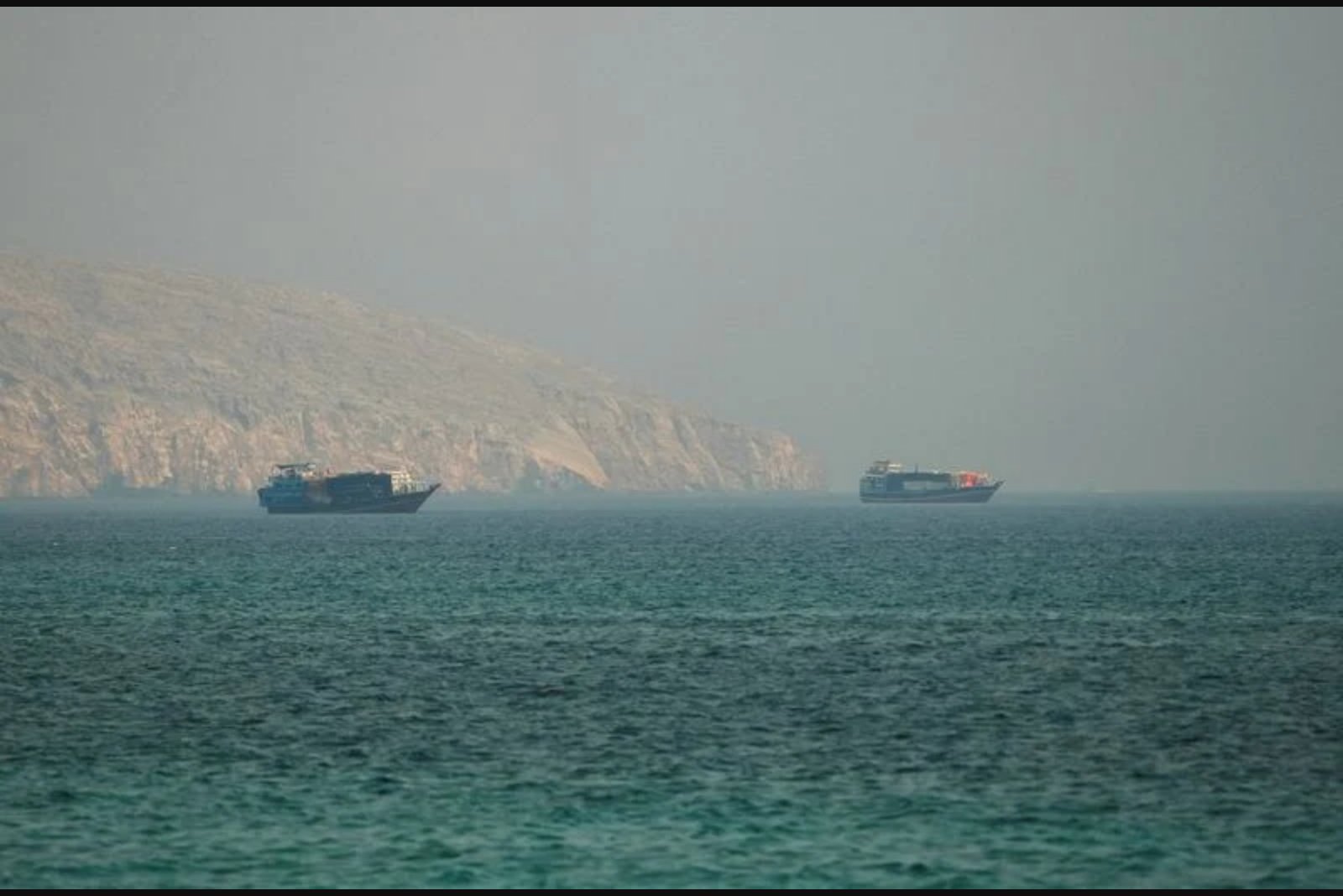
Tanker traffic through the Strait of Hormuz showed signs of slowing on Friday after a new round of clashes between the United States and Iran reignited tensions over control of the key shipping lane. The hostilities this week - involving attacks on commercial vessels, strikes on military sites and retaliatory measures - have raised fresh questions about the recovery of global oil shipments and the stability of a fragile interim arrangement intended to safeguard passage.
Market and supply snapshot
Oil markets reacted to the flare-up with modest easing in prices on Friday, though futures remained poised for weekly gains estimated at 4-5 percent following the recent disturbances. The International Energy Agency reported that worldwide oil supply increased by 4.1 million barrels per day in June as shipping through the strait resumed; despite that rise, supply was still 9.4 million barrels per day lower than pre-war levels. The agency also flagged constrained diesel and gasoline stocks, and noted that refineries had been slower to ramp processing activity than crude markets would suggest.
Shipping and strategic control
Before the conflict, roughly one in five barrels of globally traded oil passed through the Strait of Hormuz. Since the outbreak of hostilities, control of the waterway has largely shifted toward Tehran, a development that has produced a stalemate in its broader confrontation with U.S. forces. Under the terms of an interim accord, U.S. naval restrictions on Iranian ports were lifted while Iranian authorities committed to ensuring safe passage for commercial vessels. That arrangement appeared fragile this week as both sides accused the other of targeting shipping and military infrastructure.
Washington said Iranian forces attacked three tankers operating in the area, prompting U.S. strikes on military sites along Iran's southern coast and in its eastern provinces. Tehran has not publicly accepted responsibility for the incidents involving the tankers, but analysts view such operations as instruments Tehran uses to strengthen its negotiating position.
In turn, Iran launched strikes on U.S. military facilities in Gulf states later in the week. The U.S. framed its responses as measures aimed at keeping the strait open and said that Iran did not have sovereign control over the waterway. Iran, however, warned that the strait would be reopened only on its terms and cautioned that any U.S. interference could provoke a "crushing response." Following the incidents on commercial vessels flagged to Qatar and Saudi Arabia, U.S. President Donald Trump declared the interim truce to be over. A U.S. official subsequently said Washington nevertheless remained committed to finding a resolution with Iran and that technical talks were continuing.
The New York Times reported that Qatar had engaged in discussions with both Washington and Tehran in attempts to deescalate the situation.
Transit volumes and broader logistics
Earlier in the week, daily tanker transits through the strait had climbed to an average of 40 ships, the highest level recorded since the war began. That figure, while representing some recovery, remains well below the pre-conflict daily average of between 125 and 140 sailings. The reversal in momentum this week suggests shipping firms and charterers are reassessing the risk calculus for routing through the waterway amid renewed instability.
Military actions and casualties
U.S. Central Command said its forces struck about 90 Iranian military targets during one stage of the confrontation. Iranian state media reported that those strikes caused 14 deaths and left 78 people injured. Iran's armed forces said they had attacked U.S. Patriot missile systems in Kuwait, an early-warning facility in Qatar and a U.S. Army fuel depot in Bahrain. The Islamic Revolutionary Guard Corps later announced it had launched 10 ballistic missiles at Jordan's Azraq military base, which is used by U.S. forces.
Domestic developments in Iran
Within Iran, state funeral events continued to mark the week. Ayatollah Ali Khamenei was buried at the nation's holiest shrine in Mashhad following a week of processions and rallies. He was killed in an airstrike on the first day of the conflict on February 28, an operation that was part of a larger barrage and is linked in reports to the broader war that has resulted in thousands of casualties and major disruptions to global energy flows. Khamenei's son, Mojtaba Khamenei, who was injured in the strike that killed his father, remains absent from public view. Khamenei's office said a condolence ceremony for the Supreme Leader would be held after Friday sunset prayers in the city of Qom on behalf of Mojtaba.
Implications
The sequence of attacks and counterattacks has underscored the fragility of the interim truce intended to keep the strait operating. With tanker transits still a fraction of their pre-war frequency and refinery operations lagging behind crude market developments, the pathway to a robust and sustained return of global oil flows remains uncertain.
For market participants and sectors tied to maritime logistics, oil production, refining and downstream fuel supplies, the recent events reinforce the sensitivity of cash flows and operational planning to geopolitical shocks.