
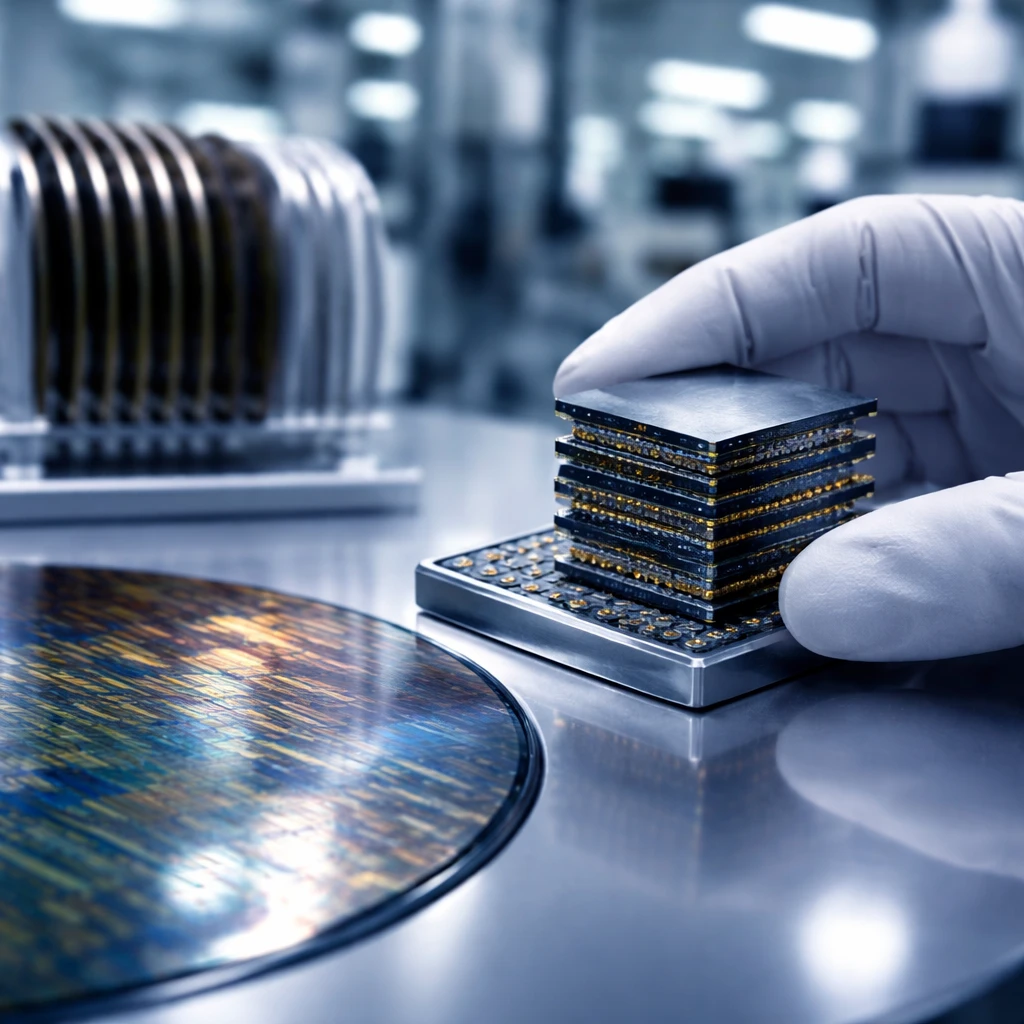
Industry sources say prices for next‑generation high‑bandwidth memory (HBM4) are on track to rise materially through 2027, potentially more than doubling from mid‑2026 levels. The projected range for HBM4, according to market contacts, is roughly $4 to $5 per gigabit or higher, compared with about $2 per gigabit in the second half of 2026.
Several structural and operational factors underlie the anticipated price surge. HBM4 production is unusually complex, requiring extended manufacturing cycles and producing lower initial yields versus conventional DRAM. Production times are estimated at four to six months, and yield performance in early HBM4 ramps is expected to be meaningfully below that of established memory nodes.
Equally constraining is HBM’s heavy use of wafer capacity. On a per‑gigabit basis, HBM production consumes roughly three times the wafer area of standard DDR5 DRAM, which sharply limits how much HBM can be produced from existing fabrication capacity. That disparity places an intrinsic cap on supply absent substantial new capital investment or reallocation of established lines.
Capacity availability is further tightened by long‑term commercial arrangements between major memory manufacturers and top AI customers. Large suppliers including Samsung Electronics (KS:005930), SK Hynix (KS:000660) and Micron Technology (MU) have committed significant volumes under three‑ to five‑year contracts to tier‑one AI clients. Those dedicated allocations, combined with rising HBM share in producers’ portfolios, lead market participants to estimate that roughly half of global DRAM capacity could be effectively unavailable to smaller buyers by 2027.
At the same time, memory producers face an economic trade‑off when considering shifts from standard server DRAM to HBM. Server DDR5 margins have jumped to exceptionally strong levels this year, surpassing 80% for some suppliers. Given those returns, chipmakers are demanding substantial premiums for HBM in order to justify converting production from conventional DRAM to the more costly, lower‑yield HBM4 process.
Technology partners advancing next‑generation AI hardware are also accelerating demand dynamics. One architecture in development is expected to intensify the push to HBM4, shortening the timeframe in which additional high‑bandwidth inventory will be required.
Financial markets are responding to the tight‑supply narrative. The timing of SK Hynix’s U.S. trading debut via an American Depositary Receipt on Nasdaq coincides with elevated investor focus on memory equities. The company’s $26.5 billion offering, which carried a premium to its Seoul shares, is being viewed in the market as a continuation of the AI memory mega‑trade that has already coincided with large gains for several players: Micron has risen by over 700%, flash supplier SanDisk by over 3,800%, SK Hynix by over 630%, and Samsung by over 360%.
Despite periodic concern that technology firms might moderate infrastructure capital spending, supply‑chain contacts report that AI hardware remains fundamentally undersupplied as the industry approaches 2027. As a result, suppliers are expected to retain meaningful pricing leverage during contract negotiations in late 2026, and buyers without existing contracts could face substantial supply shortfalls.
Implications - The combined effect of prolonged production cycles, high wafer consumption, and multi‑year allocations to large AI customers points to a materially tighter HBM market. That environment raises revenue and margin prospects for memory vendors while creating sourcing and cost challenges for uncontracted buyers in AI hardware, cloud infrastructure, and consumer electronics supply chains.