
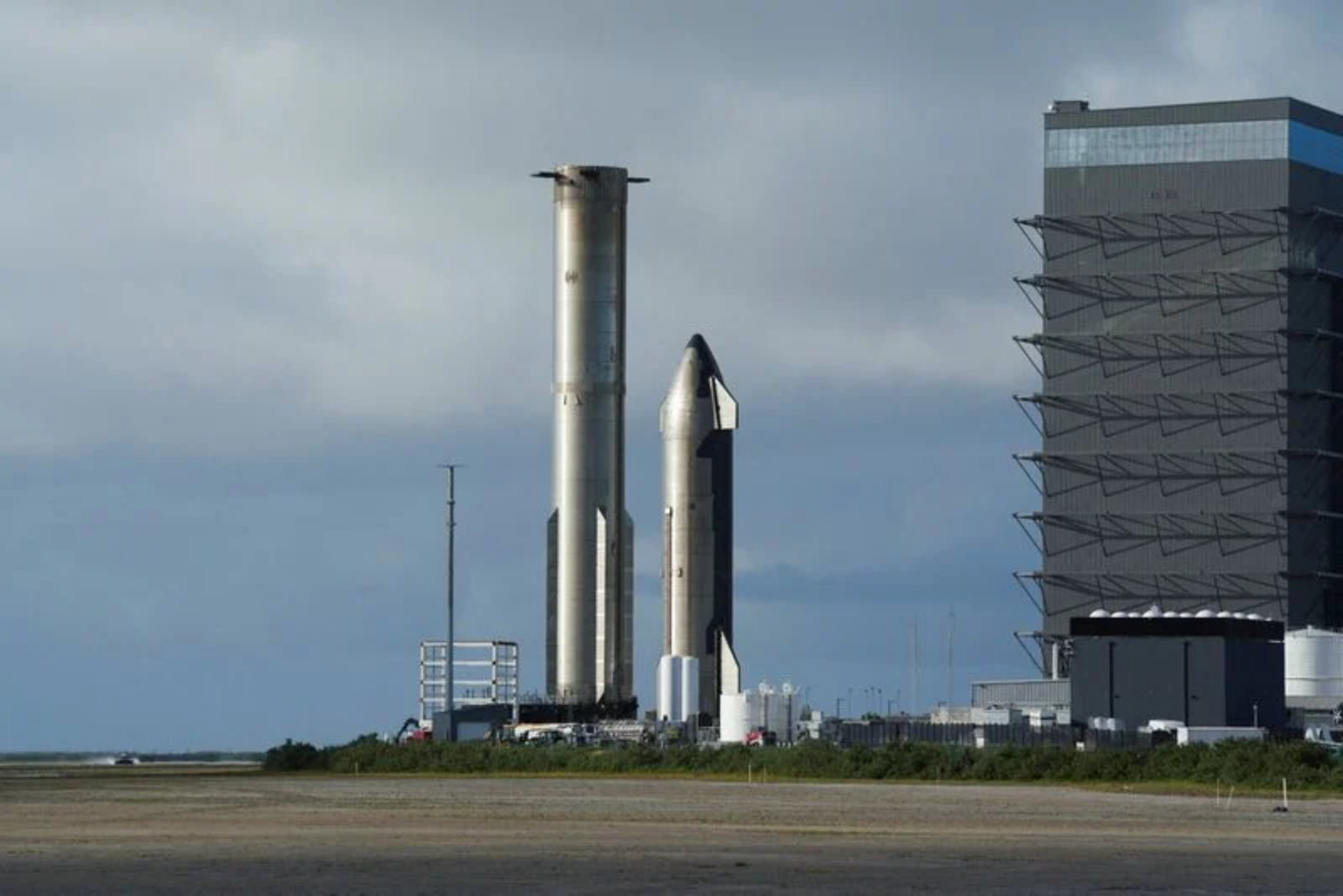
SpaceX’s most immediate path to monetizing the AI wave runs across the planet, not into orbit, according to analysts and the company’s own filings. While Elon Musk has described a future in which space-based systems power artificial intelligence, Wall Street research and regulatory documents point to terrestrial compute infrastructure as the primary driver of near-term revenue.
Infrastructure providers that supply data center space and compute capacity are expected to be among the largest beneficiaries as enterprises and consumers rapidly adopt AI for applications from software development and robotics to routine consumer tasks. In this context, SpaceX has already begun to sell compute through agreements tied to its Colossus supercomputer clusters, with corporate customers including Anthropic and Google’s cloud unit among the reported partners.
Terrestrial compute contracts dwarf other sales
Analysts and Reuters calculations based on company filings show the revenue outlook from SpaceX’s recent compute contracts is set to outstrip receipts from its launch and Starlink connectivity operations in the near term. Aggregate annual revenue tied to Colossus arrangements is expected to exceed $28 billion, a figure that eclipses the company’s 2025 reported AI revenue of roughly $3.2 billion and is larger than individual contributions from its launch and connectivity segments.
Those numbers reflect a rapid shift in the firm’s capital allocation. Company filings indicate SpaceX invested nearly $18 billion in AI infrastructure and related development in 2025, split into about $12.7 billion of AI-related capital expenditure and $5.1 billion of AI research and development. Those outlays substantially exceeded spending on its space and connectivity businesses during the same period, according to the documents analyzed.
SpaceX’s Colossus and Colossus II installations together provide about one gigawatt of AI compute capacity, putting the company among the largest operators of AI compute worldwide. Analyst models and brokerage notes anticipate that footprint will expand several-fold over the coming years as the company scales its terrestrial clusters.
Market views on the timeline for orbital AI
Research houses that began covering SpaceX after its IPO generally treat orbital AI as a longer-term prospect, building near-term financial forecasts around terrestrial compute. Analysts caution that moves to displace terrestrial data centers with orbital alternatives are speculative and likely years away.
"The narrative that (orbital) will fundamentally disrupt terrestrial data centers is a little bit overblown. Any kind of displacement of terrestrial data centers is 10 years plus out," said Anthony Milovantsev, a partner at consultancy Altman Solon.
Investment banks such as J.P. Morgan project a significant build-out of ground-based compute capacity first. J.P. Morgan expects SpaceX to grow terrestrial AI compute to roughly 9 gigawatts by 2029 - an amount the firm describes as being approximately four times the power generated by the Hoover Dam. The brokerage added that beyond 2029 it anticipates SpaceX will begin to pivot incremental capacity additions toward orbital compute while continuing to operate and maintain its terrestrial clusters.
Other brokerages have been more cautious about the viability and timing of orbital data centers. Bank of America, in coverage cited by analysts, described the long-term viability of orbital data centers as unproven and dependent on technological milestones that have not yet been achieved.
Business model and product expansion
In addition to selling compute capacity, analysts highlight SpaceX’s broader moves into software and applications. Brokerages pointed to the company’s reported $60 billion acquisition of AI coding startup Cursor as evidence SpaceX is expanding beyond raw infrastructure into enterprise software, which could allow it to monetize both AI applications and the underlying compute that runs them.
Despite the optimistic revenue projections tied to terrestrial compute, analysts emphasize contractual and operational caveats. The recently signed deals contain termination provisions, and research notes warn these arrangements should not be treated as guaranteed long-term recurring revenue without further scrutiny.
Conditions for orbital transition
Most analysts say the shift to orbital compute at scale will require several specific advances. Those include rapid reusability of the Starship system, persistent reductions in launch costs and progress on satellite engineering capable of supporting solar-powered computing platforms. In theory, such satellites could lower some of the major operational costs that terrestrial data centers face - energy, cooling and land - but the transition is tied to technological and economic milestones that remain to be achieved.
For the remainder of the decade, analysts broadly expect terrestrial AI compute to be the primary source of growth and earnings for SpaceX, with the question focused on the pace at which the company can translate that terrestrial advantage into a credible, scalable business beyond Earth's atmosphere.
Summary
SpaceX’s immediate revenue potential from AI centers on ground-based compute offerings such as the Colossus clusters, which are expected to generate annual revenues that surpass its other business lines. While orbital AI remains an outlined strategic objective, analysts regard it as a longer-term opportunity contingent on Starship reusability, lower launch costs and satellite engineering breakthroughs.