
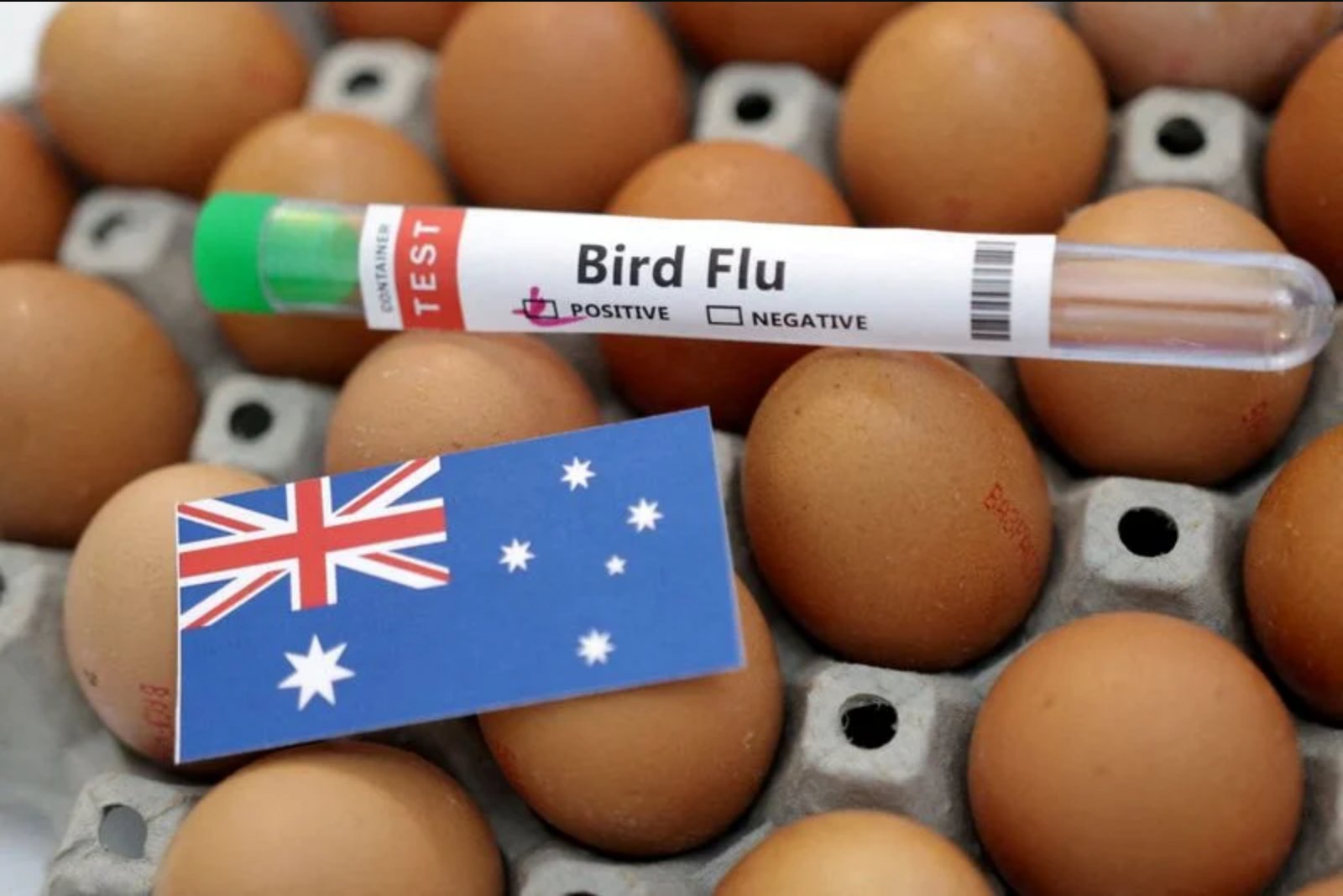
SYDNEY, July 10 - Australia has confirmed its first recorded H5N1 infection in a native seabird, officials announced on Friday, signaling a shift in the virus's presence after it first arrived on the mainland last month. Laboratory analysis carried out by the national science agency detected the H5 strain in a greater crested tern that was located in the coastal town of Robe in South Australia.
Authorities noted this finding differs from previous detections in the country, which had been restricted to migratory seabirds until now. The latest confirmation increases the national tally of verified H5N1 detections to 12. Officials also said that on Friday two additional infections were confirmed in South Australia and one was confirmed in Western Australia.
Agriculture Minister Julie Collins described the development as "concerning" but said it was not unexpected. She emphasized that, at present, there is no indication of widespread bird deaths or transmission into poultry operations or the broader agricultural sector.
"Our scientists are undertaking further work to establish the potential pathway that resulted in the Australian sea bird’s infection," Collins said.
The minister outlined what is currently understood about the case: "What we do know is that this is a coastal seabird that has been overlapping coastal range with migratory seabirds that have previously tested positive for H5." Officials are therefore investigating interactions between native and migratory seabirds to determine how the infection occurred.
Public reports from authorities reiterated that, while the presence of H5N1 in a native seabird marks a new phase in the outbreak, there remains no verified spread to poultry or evidence of mass mortalities among bird populations linked to these recent detections. Laboratory confirmation of the Robe case was completed by Australia’s national science agency.
The government statement also recalled that Australia only recently recorded mainland cases of H5N1, becoming the final continent to do so in June, though the virus had earlier been detected in late 2025 on the sub-Antarctic territory of Heard Island, approximately 4,100 km (2,600 miles) from continental Australia.
Officials say scientists will continue targeted investigations to clarify transmission pathways and to monitor for any signs of escalation or spread into agricultural systems.
Brief note on current status: The confirmed greater crested tern infection represents the first native seabird case on the Australian mainland and contributes to a national total of 12 confirmed H5N1 detections. No evidence yet indicates spillover into poultry or the broader agricultural sector, and authorities are pursuing further scientific analysis to understand how the seabird became infected.