
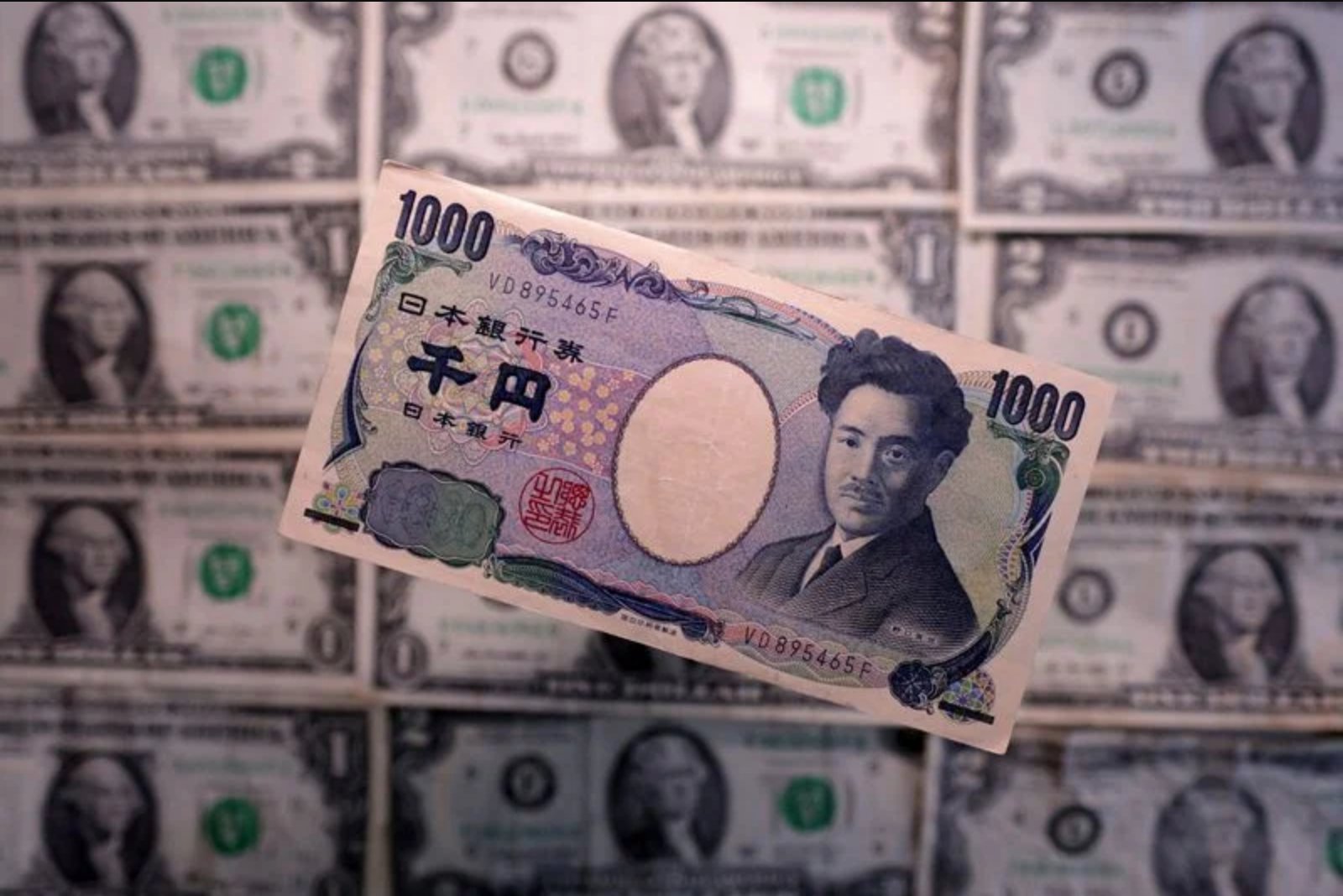
The yen continues to languish near its weakest level in four decades, with traders closely monitoring the dollar-yen exchange rate for any signs of intervention from Japanese authorities. As of Friday, the pair was trading at 162.36, reflecting a weekly gain of more than 0.5% for the dollar against the Japanese currency. Despite the currency's struggles, the broader equity markets saw a temporary reprieve overnight as oil prices fell and stock indices rallied, seemingly brushing off the flaring tensions between the U.S. and Iran.
However, the fracturing of a fragile ceasefire between the two nations has reintroduced significant uncertainty into the outlook for energy prices and global inflation. Thierry Wizman, global FX and rates strategist at Macquarie Group, noted that the specter of war remains a critical factor shaping market sentiment. The central question for traders now revolves around Iran's willingness to engage in large-scale kinetic conflict with the U.S. and its allies to enforce its claim over the strategic Strait of Hormuz.
While the dollar eased slightly on Friday, it is poised to close the week with minor gains, as safe-haven demand was partially offset by diminishing expectations of a Federal Reserve rate hike. Against the yen, however, the dollar has maintained its upper hand, trading just below the four-decade peak recorded last week. The currency has been on the radar of Japanese interventionists for weeks, particularly as it has struggled to break back above the 160 per dollar threshold. Analysts from Goldman Sachs have highlighted that without a fundamental shift in the macroeconomic backdrop, the yen is likely to continue its steady depreciation.
Key factors supporting this trajectory include higher-for-longer U.S. yields, low recession risk, and persistent fiscal concerns within Japan. Goldman Sachs analysts emphasized that these conditions position the yen as a prime candidate for funding trades over longer horizons. In early Asian trading, the British pound reached its strongest level against the yen since 2007, hitting a peak of 218.00 yen overnight. The euro also saw appreciation, buying 185.64 yen and posting a 0.6% gain for the week thus far.
On the policy front, Japan's Economy Minister Minoru Kiuchi reinforced on Friday that the government will never pre-announce its preferences regarding how the Bank of Japan should set interest rates. This stance leaves traders and investors navigating the currency market without clear guidance from policymakers, further complicating the outlook for the yen. Meanwhile, other major currencies saw modest movements against the U.S. dollar, with the euro edging up 0.02% to $1.1433 and the British pound rising 0.03% to $1.3413.
In the Pacific region, the Australian dollar traded at $0.6939, while the New Zealand dollar advanced 0.08% to $0.5759. The New Zealand dollar is headed for a weekly gain exceeding 0.9%, buoyed by recent monetary policy adjustments. The Reserve Bank of New Zealand (RBNZ) recently hiked interest rates and signaled that further tightening is on the horizon. Westpac economists project the RBNZ will implement additional 25 basis point increases in September and December, potentially pushing the cash rate to a peak of 4% by September 2027.
Despite these forecasts, Westpac chief economist Kelly Eckhold cautioned that the exact timing of the tightening cycle remains highly uncertain. She noted that even the anticipated move at the September 2026 meeting should not be viewed as a certainty. Market participants are advised to remain vigilant as these macroeconomic developments and geopolitical tensions continue to shape currency valuations and capital allocation strategies across global markets.