
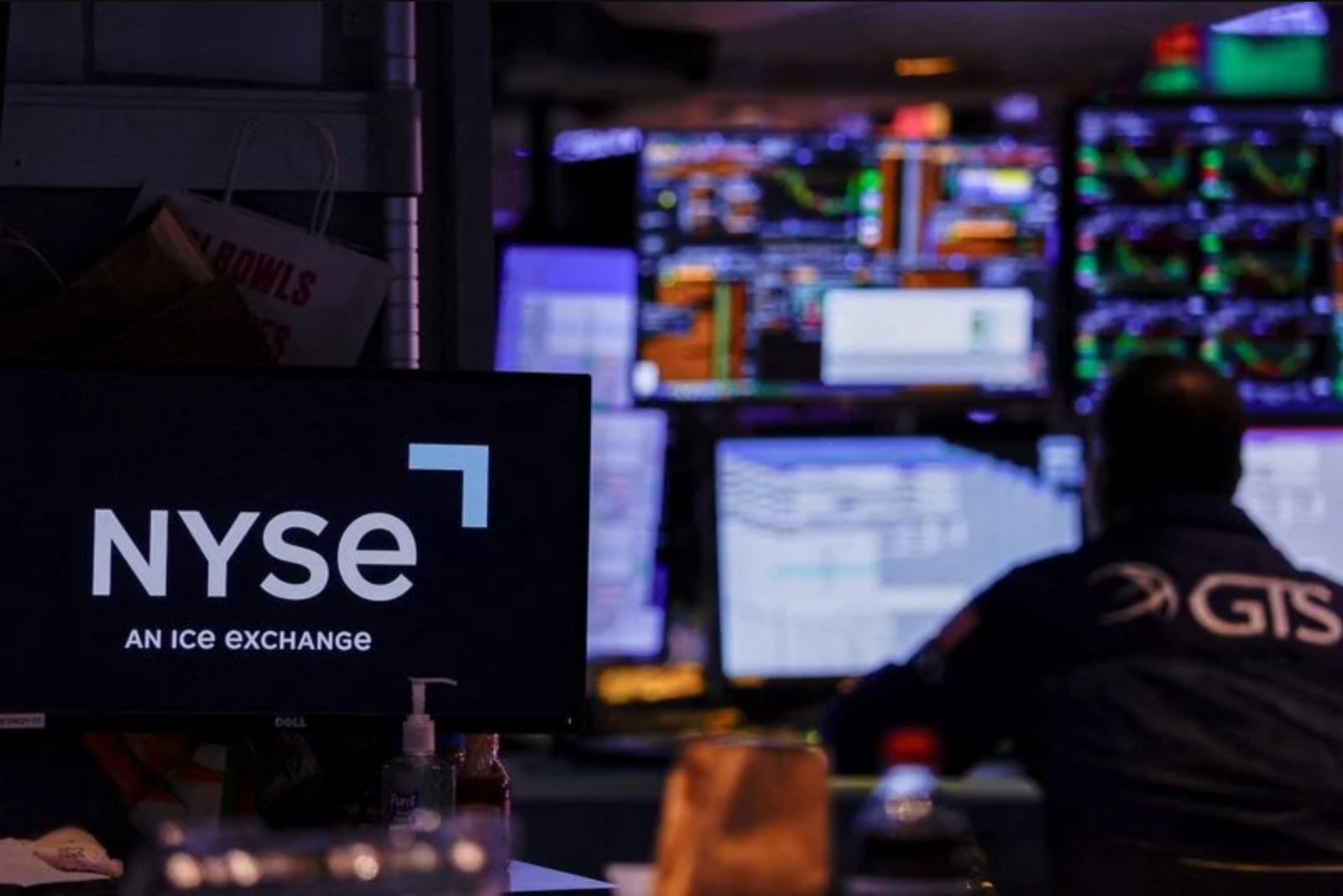
U.S. equity markets maintained their upward momentum on Thursday, with the technology sector serving as the primary engine for gains across major indexes. The performance of semiconductor stocks played a pivotal role in this expansion, providing a counterbalance to ongoing geopolitical tensions in the Middle East and concerns regarding the potential for prolonged inflationary pressures stemming from regional hostilities. This market dynamic suggests a degree of resilience among investors, who appear willing to overlook near-term geopolitical volatility in favor of corporate momentum within the technology space.
The broader market participation was notable, with the Nasdaq Composite index outpacing other major U.S. benchmarks. This leadership extended across sectors, as seven of the eleven major sectors within the S&P 500 finished the session in positive territory. Technology shares, in particular, were instrumental in driving the index higher, contributing significantly to the overall market capitalization increase. In contrast, consumer staples lagged behind, highlighting a rotational preference within the market that favors growth-oriented sectors over defensive holdings during periods of sustained equity rallies.
The performance of specific technology equities underscored the breadth of the rally. Meta Platforms surged by 4.7%, reflecting investor confidence in the company's strategic initiatives, including its plans to integrate new artificial intelligence chips into production in September. This internal development is part of a broader infrastructure expansion aimed at boosting overall computing power to 14 gigawatts next year. Additionally, South Korean chipmaker SK Hynix announced intentions to price its U.S.-listed shares at $149, a move expected to raise approximately $26.5 billion, further indicating sustained interest and capital allocation within the semiconductor segment.
While equities advanced, fixed income markets experienced a notable shift. U.S. Treasury yields fell as bond prices gained ground, reversing a previous selloff. This movement in government debt securities suggests that despite the risk-on sentiment in equities, there remains underlying caution or a search for stability within the fixed income complex. The Treasury 10-year yield, often used as a benchmark for long-term interest rates, rose slightly by 0.88%, but the broader yield curve adjustment indicates complex positioning among institutional investors navigating a landscape of shifting monetary policy expectations.
In the foreign exchange markets, the U.S. dollar weakened against a basket of major currencies. This depreciation occurred in the context of stable domestic jobs data, which failed to spark aggressive hawkish repricing in interest rate expectations. Furthermore, the dollar's decline was exacerbated by heightened geopolitical tensions between the United States and Iran. The combination of domestic economic stability and external geopolitical stressors creates a dual dynamic that weighs on the currency, as investors reassess the relative attractiveness of dollar-denominated assets amidst global uncertainty.
Commodity markets presented a mixed picture. Gold prices climbed over 1%, settling above the $4,100 level per ounce, consistent with its role as a safe-haven asset during periods of geopolitical stress. The precious metals sector benefited from the dual tailwinds of geopolitical risk and a weaker U.S. dollar, which typically makes dollar-priced gold more attractive to international buyers. Conversely, energy markets declined, with front-month West Texas Intermediate crude oil settling down by 2.0% and Brent crude oil falling by 2.2%. This divergence between gold and oil suggests that investors are distinguishing between general geopolitical risk, which supports gold, and specific energy supply dynamics, which appear to be easing or facing demand concerns despite the Middle East tensions.
Despite the equity gains, structural vulnerabilities in market funding remain a point of concern. U.S. equity funding markets are currently stretched, following a spike in short-term borrowing costs observed in the previous month. Near-record equity valuations and a sustained fervor for popular technology shares have fueled demand for leverage, particularly within the equity repurchase or repo market. In this sector, investors and traders borrow short-term cash against their stock holdings to finance positions. Data from Morgan Stanley indicates that the cost of financing equity positions climbed 200 basis points above the federal funds rate on June 26, marking the highest level seen since December 2024. This tightness in funding conditions highlights the fragility of the current market structure, where high valuations are supported by increasing borrowing costs.
Geopolitical developments continue to pose significant risks to global markets. Iran retaliated overnight by striking U.S. targets in Kuwait and Bahrain, following statements from President Donald Trump declaring that an interim agreement to end the war was over. This escalation raises the prospect of prolonged hostilities, which could fuel longer-term inflationary pressures through disruptions to energy supplies and global trade routes. Additionally, sources close to the Kremlin suggest that Russian President Vladimir Putin is rejecting calls to negotiate peace with Kyiv, despite recent Ukrainian drone strikes on Russian oil refineries and ports. This hardening of positions increases the probability of conflict escalation in the coming months, potentially impacting global energy markets and risk sentiment.
Domestic policy shifts also present uncertainties. The cancellation of the USDA household food security survey by President Trump could complicate the assessment of economic well-being and inflationary pressures related to food access. Last year, the survey indicated that 13.7% of U.S. households were food insecure, a 10-year high. The absence of this data makes it difficult to determine whether recent policy changes, such as cuts to the food stamp program, are driving increases in hunger, particularly among vulnerable populations. This lack of transparency could obscure underlying economic stressors that may eventually impact consumer spending and retail performance.
Looking ahead, market participants will be closely monitoring a diverse array of economic data releases and geopolitical developments. Key indicators include Netherlands manufacturing output for May, Germany, France, Norway, Denmark, Czech Republic, Italy, Portugal, Brazil, Canada, and Russian CPI data for June. Additionally, Norway and Portugal PPI and manufacturing output data, along with Canada's June employment figures, will provide insights into the global growth trajectory. Social media communications from President Trump are also likely to influence market sentiment, given the direct impact such statements can have on investor perception and sector-specific performance.
The interplay between technology sector strength, geopolitical risk, and funding market strain defines the current market environment. While the chip-led rally provides a positive near-term outlook, the underlying vulnerabilities in leverage costs and the potential for geopolitical escalation suggest that market participants must remain vigilant. The divergence between equity gains and bond market adjustments, coupled with mixed commodity signals, underscores the complexity of the current macroeconomic landscape. As investors navigate these dynamics, the ability to distinguish between transient price movements and structural shifts will be critical for long-term capital allocation decisions.