
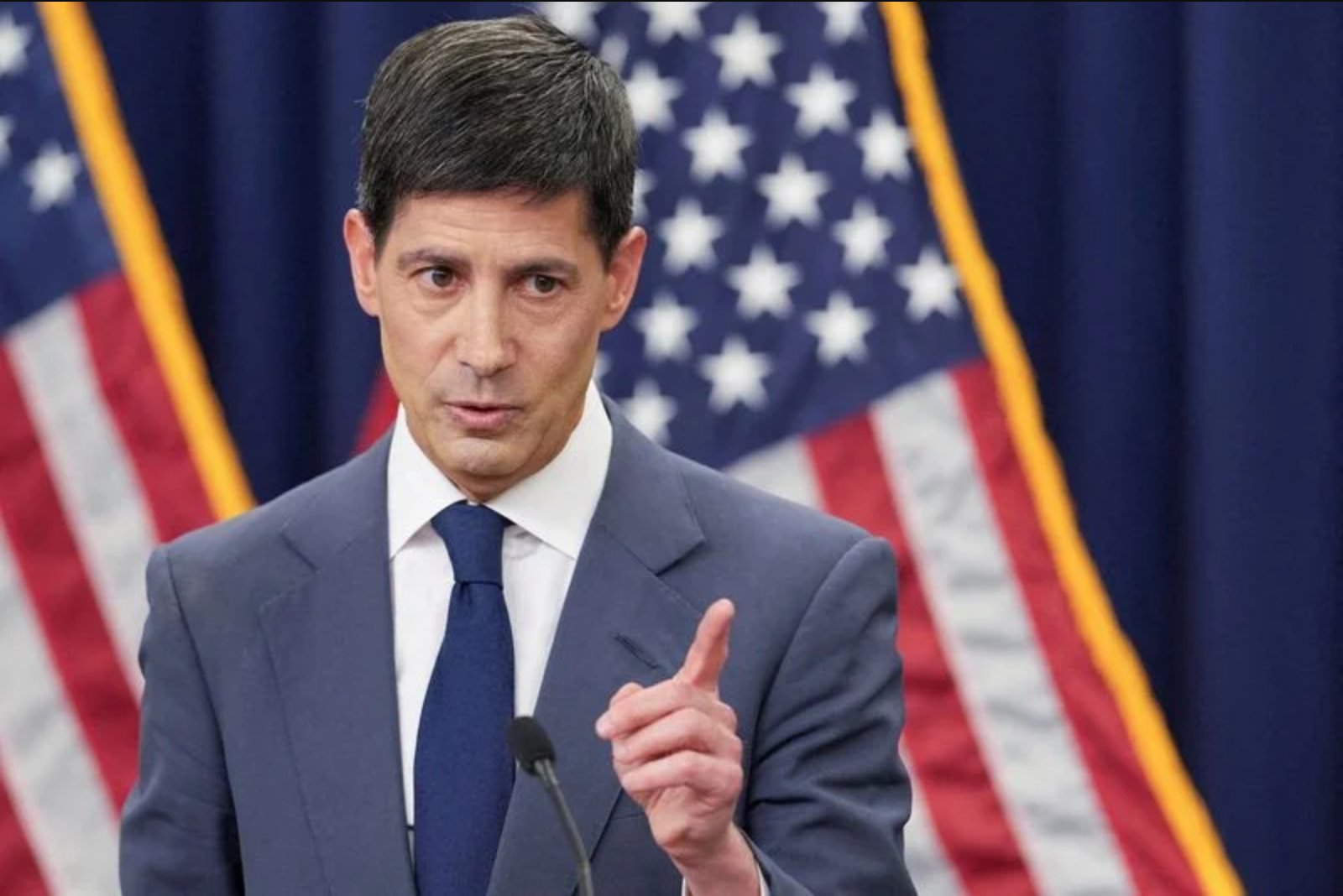
Federal Reserve Chair Kevin Warsh has selected a broad and intellectually varied cohort of economists, former central bankers and private-sector figures to head five task forces charged with reviewing the central bank's operations. The task forces will evaluate a range of subjects, from technical questions such as management of the Fed's balance sheet to forward-leaning issues including the implications of artificial intelligence for the economy.
Warsh unveiled the creation of the five groups at a news conference following his first Federal Reserve policy meeting on June 16-17. The Federal Reserve announced on Thursday the individuals who will lead those task forces and described the groups' mandate in a statement.
The Fed's statement said the task forces "will operate independently, with a mandate to follow the evidence, provide candid feedback, and produce rigorous findings for the Federal Open Market Committee." That language highlights the emphasis on independent analysis and evidence-based recommendations intended for consideration by the central bank's policymaking body.
The roster of leaders spans the policy spectrum and reflects varied methodological perspectives. Harvard University economics professor Raj Chetty, noted for pioneering use of alternative and near-real-time data to study household and neighborhood outcomes, will help lead a panel focused on data. Tech investor Marc Andreessen is named as one of three co-leads of a task force that will examine productivity and jobs. Greg Mankiw, who formerly chaired the Council of Economic Advisers under the George W. Bush administration, will co-lead the task force on inflation.
Warsh framed the reviews as a response to significant changes in the U.S. economy over the last generation, and particularly to developments currently underway. In a statement included with the Fed's announcement, he said: "The U.S. economy has changed significantly over the last generation, and never more so than right now. Each task force will carefully consider whether policymakers' means and methods, analytical tools and policy approaches can be improved upon."
He added that the objective is direct: to position the Federal Reserve to achieve its policy goals effectively during this consequential period. The task forces are charged with producing rigorous findings for the Federal Open Market Committee that reflect independent evaluation of the evidence.
Context and next steps
The groups were announced following Warsh's first policy meeting and the leaders were named on Thursday. They will prepare independent analyses and recommendations for the Federal Open Market Committee, but the announcement and the Fed's statement do not specify timelines for the panels' work or the process for translating recommendations into policy action.