
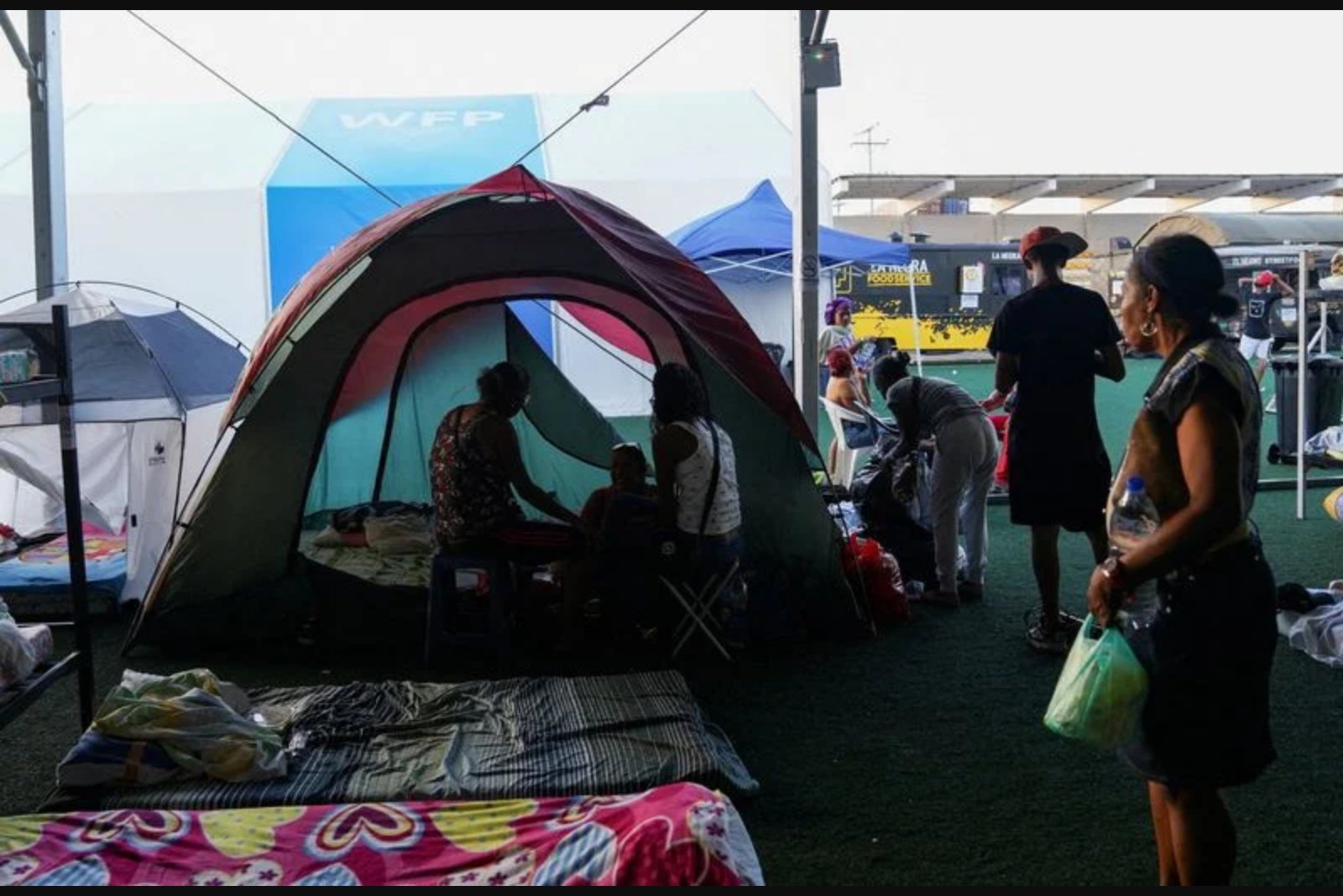
The foremost health threats in the aftermath of the twin earthquakes that struck Venezuela's northern coast last month are not limited to physical injuries from the tremors, according to officials at the Pan American Health Organization (PAHO). Interruptions to everyday medical services, packed shelters and inadequate water and sanitation are creating conditions that could produce secondary public health emergencies.
PAHO leaders said they are coordinating with Venezuela's health ministry to monitor for signs of respiratory and gastrointestinal disease outbreaks, with particular attention to people housed in the more than 80 temporary shelters established for those who lost their homes. The organization is focusing surveillance and early warning efforts on diarrheal diseases, respiratory infections, febrile syndromes and illnesses that can be prevented with vaccination.
Vaccine access and routine care under strain
Jarbas Barbosa, PAHO's director, warned that in the coming weeks the largest health challenges could arise not only from earthquake-related injuries, but from the knock-on effects of reduced access to vaccination and routine health care. He stressed that vaccine availability is a central priority and noted that coverage indicators in Venezuela were low even before the earthquakes.
"In the coming weeks, the greatest health risks may stem not only from injuries caused by the earthquakes, but also from disruptions to health services, overcrowded conditions, deficiencies in water and sanitation and reduced access to vaccination and routine healthcare," said Jarbas Barbosa.
PAHO officials said that field hospitals and shelter sites are being integrated into an early warning system to help identify and respond to outbreaks rapidly. This system is intended to channel information on symptoms and case clusters so that public health teams can target interventions where transmission risk is highest.
Worn-down health infrastructure and workforce shortages
PAHO's director for health emergencies, Ciro Ugarte, described Venezuela's health system as having deteriorated significantly after years of economic crisis, which limited the immediate availability of care after the earthquakes. He pointed to the migration of healthcare professionals out of the country as a compounding factor that left the system less able to absorb the sudden surge in needs.
In many parts of the country, facilities that were not designed for trauma or emergency care had to be adapted to treat injured patients. Ugarte said that international assistance, personnel from other regions and the deployment of field hospitals have improved the provision of care since the initial days following the quakes.
Fatalities, injuries and displacement
Authorities have raised the official death toll to 3,811 and reported 16,740 people injured and 17,907 left homeless. PAHO officials said that in La Guaira, the state that suffered the heaviest damage, 300 victims have been buried without identification. Armando De Negri, PAHO's acting director in Venezuela, said the forensic service is recording burial locations and preserving biological material - including teeth, bones and fingernails - to enable future identification.
De Negri emphasized that the remains are handled with care and placed in coffins, with records maintained so matches can be attempted at a later date.
Response dynamics and roles
Acting President Delcy Rodriguez has strongly defended the government's response to the earthquakes. PAHO officials noted that many of the rescue and recovery efforts were led by civilians, supported by international professional rescue teams, firefighters and army volunteers.
PAHO continues joint surveillance and response work with Venezuela's health ministry to reduce the risk of infectious disease outbreaks and to restore access to vaccination and routine healthcare for displaced and affected populations.