
Retailers moved their back-to-school sales timetable forward this year, as many American families — strained by higher food and fuel expenses — began hunting discounts on backpacks, electronics and other school must-haves well before the traditional late-summer shopping window.
Major merchants such as Amazon.com, Walmart, Target and Best Buy introduced promotions earlier than in prior years, turning a once concentrated late-summer event into an extended summer sales season. Industry observers say Prime Day-style promotions have increasingly served as an unofficial opening salvo for back-to-school purchases, with retailers competing for price-sensitive shoppers.
The shift to earlier deals is occurring alongside signs of consumer stress. Shoppers are prioritizing bargains on basic items while still allocating funds for trend-driven products that have captured children’s attention on social media. Popular items this season include customizable pencil cases, erasers and bento lunch boxes; name-brand backpacks such as JanSport and North Face Borealis; Stanley and Owala water bottles; and dorm-room accessories that have spread on platforms like TikTok and Instagram.
"With the kind of higher gas prices and higher food prices, I am definitely more aware of how I am going to spend my money heading toward back-to-school. I tend to be a consumer who chooses wisely versus just shops for a lot of things," said Julie Kelley, founder of a media consulting company in Vermont, who has an 11-year-old son.
Research and trade group data point to steady overall spending even as households reallocate budgets. PwC estimates families are expected to spend about $922 on average for back-to-school shopping this year. PwC also reports that roughly 47% of families expect to spend more than they did last year, a figure that the firm ties in part to higher prices linked to the Iran war. The National Retail Federation (NRF) calculates that the back-to-school season made up about 2.3% of total annual U.S. retail sales, with approximately $128.2 billion spent in 2025.
Children are exerting greater influence over purchases, according to Kelly Pedersen, PwC’s global retail leader. Pedersen said about 61% of households plan to let children add products directly to online shopping carts after discovering them on social media, underscoring the role of digital channels and platforms in shaping demand.
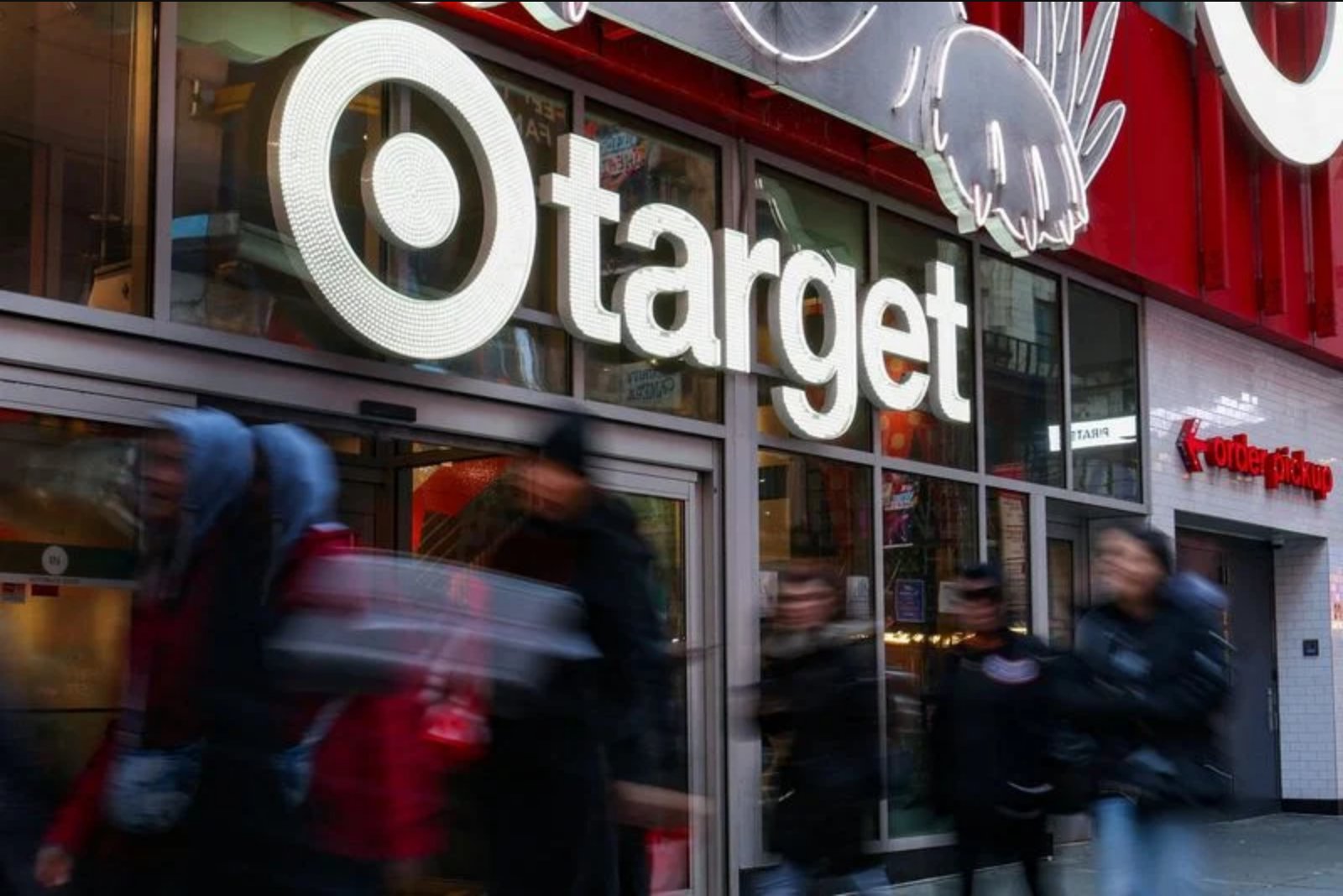
Retailers offered differing accounts of their activity. Target said its June sales event gave customers an opportunity to buy trending back-to-school items early. Amazon acknowledged deals in its back-to-school and college categories but did not provide further detail.
Spending on pricier categories has shown particular sensitivity to discounting. Adobe Analytics found the strongest markdowns during late-June Prime Day-style promotions were concentrated in electronics and apparel, categories that have experienced uneven demand as household budgets tightened.
The movement to digital channels remains pronounced. PwC projects that the share of consumers planning to make in-store back-to-school purchases will fall to about 70% this year from 79% last year. Morgan Stanley data cited in industry commentary indicates that Amazon and Walmart together captured about 71 cents of every new dollar spent online in 2025, reflecting both companies’ investments in delivery options and expanded product assortments aimed at winning budget-conscious shoppers.
Walmart’s recent four-day deals event included small appliances aimed at students living in dorms as well as bulk classroom supplies for teachers, the company said. Walmart also plans to stock back-to-school merchandise closer to the start of the school year, from mid-August through early September.
Jeffrey Degner, a research fellow at the American Institute for Economic Research, noted that retailers often shift margins as the calendar moves closer to school openings. "That’s the time then for retailers to make a value play on the less trendy items," he said. "We’re going to see a lower-margin timeframe when it comes to August and September."
For analysts and market watchers, the early rush of promotions reflects both retailers’ tactical moves to capture limited discretionary dollars and broader consumer sensitivity to rising everyday costs. The season’s dynamics — earlier sales events, heavy discounting in big-ticket categories, and the growing sway of social media on children's preferences — are reshaping how dollars flow across e-commerce and brick-and-mortar channels ahead of the fall term.
Data points cited
- Average planned spending per family: $922 (PwC).
- Share of families expecting to spend more than last year: ~47% (PwC).
- Back-to-school share of U.S. retail: about 2.3% with $128.2 billion spent (NRF, 2025).
- Households allowing kids to add items discovered on social media: about 61% (PwC).
- Projected in-store purchase share: about 70% this year vs. 79% last year (PwC).
- Amazon and Walmart online share of each new online dollar: about $0.71 (Morgan Stanley, 2025).