
World July 9, 2026 01:55 PM

Andy Burnham Says He Will Press Harder on Israel Over Gaza If He Becomes Prime Minister

Expected incoming UK prime minister calls for stepped-up measures including further sanctions and potential trade bans tied to settlements

By Avery Klein
Share
Twitter Reddit Facebook LinkedIn

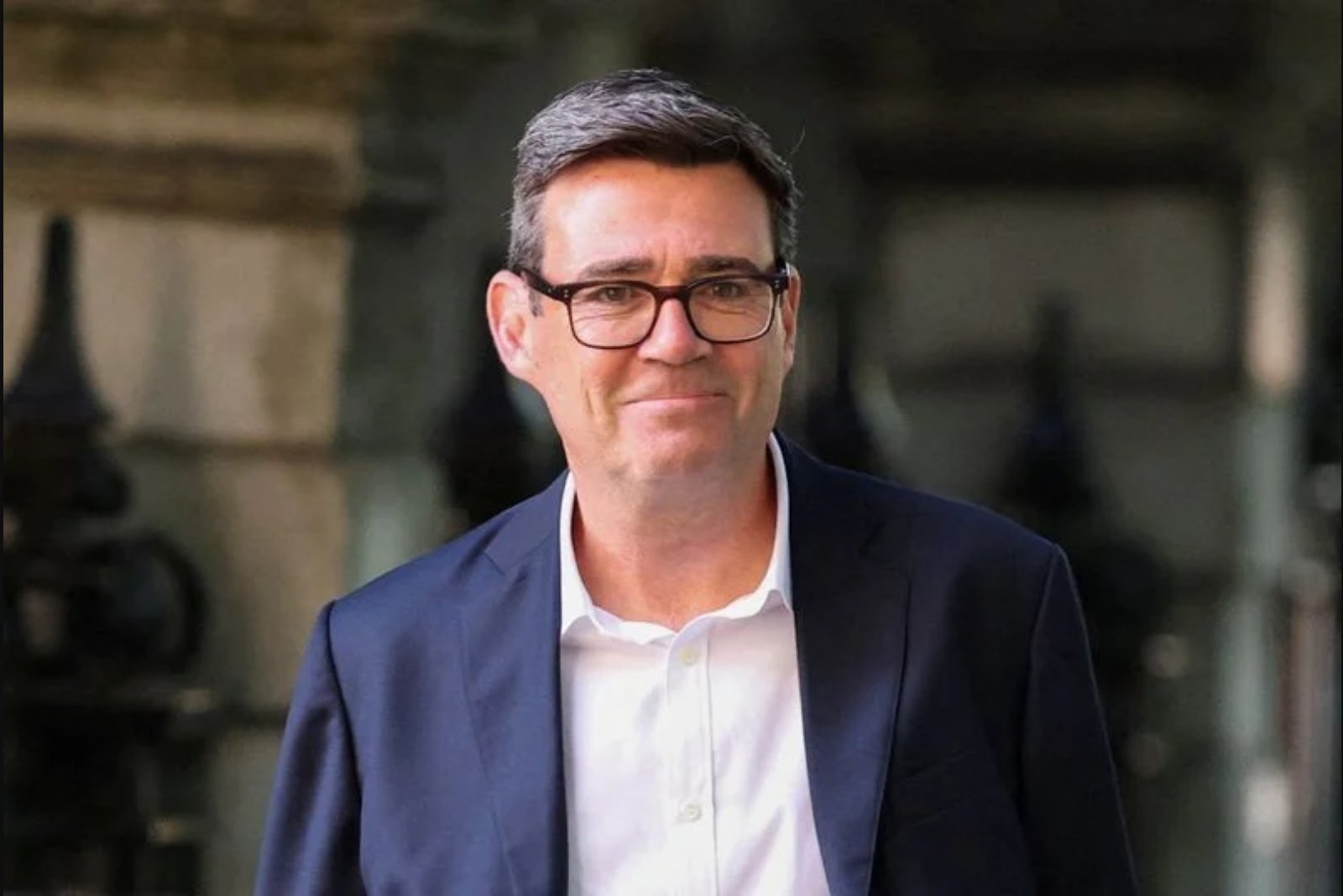
Andy Burnham, who is widely expected to be appointed Britain’s next prime minister later this month, told the Guardian he wants the UK to increase pressure on the Israeli government over its conduct in Gaza. He criticised the UK’s initial response to Israel’s military campaign in October 2023, said the country was slow to call for a ceasefire, and urged consideration of further sanctions and measures to prohibit trade in goods from illegal settlements.

Andy Burnham Says He Will Press Harder on Israel Over Gaza If He Becomes Prime Minister
Summarize with
ChatGPT Perplexity Claude Grok Gemini

Key Points

  • Andy Burnham, expected to become Britain’s prime minister later this month, wants to increase pressure on the Israeli government over its actions in Gaza - sectors impacted: diplomacy and international trade.
  • Burnham criticised the UK’s initial reaction to Israel’s October 2023 military campaign and said the country was "too slow to call for a ceasefire," while noting some steps have already been taken.
  • He advocated exploring further sanctions and measures to ban trade in goods from illegal settlements - sectors impacted: international trade and import/export markets.

LONDON, July 9 - Andy Burnham, the politician expected to take office as Britain’s prime minister later this month, said he intends to step up pressure on the Israeli government over its actions in Gaza, the Guardian reported on Thursday.

In an interview with the newspaper, Burnham criticised the initial handling of Israel’s military campaign in Gaza in October 2023, which followed an attack on Israel by Hamas-led gunmen. Reflecting on the UK response, he said: "We’ve got to do more to put pressure on the Israeli government ... Yes, we have taken some important steps ... But let’s be honest, the UK was too slow to call for a ceasefire. And we must now do more to strengthen our approach."

Burnham contrasted his position with the stance of the current prime minister, Keir Starmer, at the time of the October fighting. Starmer initially resisted calls from within his party - including from Burnham, who was then a regional mayor - to demand an immediate ceasefire, instead favouring a humanitarian pause. The current prime minister later called for a ceasefire and has since been publicly critical of the Israeli government’s conduct in Gaza.

The government has taken concrete steps since then, including imposing sanctions on far-right Israeli cabinet ministers and formally recognising a Palestinian state, according to the account in the interview. While a ceasefire last year brought a two-year war to an end, Israel’s military has continued to carry out strikes in Gaza in the context of a wider regional conflict involving Iran and Hezbollah in Lebanon, citing threats or fire from Hamas.

Outlining actions he believes should now be considered, Burnham said: "We need to do more, which includes looking at further sanctions, both on those involved in the violence in Gaza but also looking at measures to ban trade in goods with illegal settlements."


Context and next steps

Burnham’s remarks, made in an interview published by the Guardian, set out his intent to press for a tougher UK approach toward Israel on Gaza if he assumes the premiership later this month. He framed this as a continuation and intensification of measures already taken by the current government, while pointing to perceived shortcomings in the speed of the initial UK response to the October 2023 campaign.

The interview reiterates ongoing tensions in the region and signals potential policy actions under a change of British leadership, including additional sanctions and restrictions on trade linked to settlements in Gaza.

Risks

  • Continued Israeli strikes in Gaza despite a ceasefire last year - risk to regional security and political stability, which can affect investor sentiment in geopolitically sensitive sectors.
  • Potential for additional sanctions and trade bans targeting individuals or goods linked to settlements - risk to trade flows and companies exposed to affected supply chains.
  • The wider regional conflict involving Iran and Hezbollah in Lebanon remains active - uncertainty that may increase political and market risk in sectors tied to energy and international logistics.

More from World

U.N. Says June Russian Strikes Caused Highest Civilian Toll Since Early Invasion Months Jul 9, 2026 Oscillating Signals: Trump Alternates Threats and Praise at NATO Summit in Ankara Jul 9, 2026 Costa Rica’s president and top courts collide, hampering a national response to drug violence Jul 9, 2026 Health System Strains, Crowded Shelters and Water Shortages Heighten Risks After Venezuela Quakes Jul 9, 2026 Hyperscalers Set to Ramp AI Infrastructure Spending to $750 Billion in 2026 Jul 9, 2026