
World July 9, 2026 02:52 PM

U.N. Says June Russian Strikes Caused Highest Civilian Toll Since Early Invasion Months

Office of the U.N. human rights body records at least 265 killed and 1,816 injured in June; totals since war began exceed 16,400 dead

By Marcus Reed
Share
Twitter Reddit Facebook LinkedIn

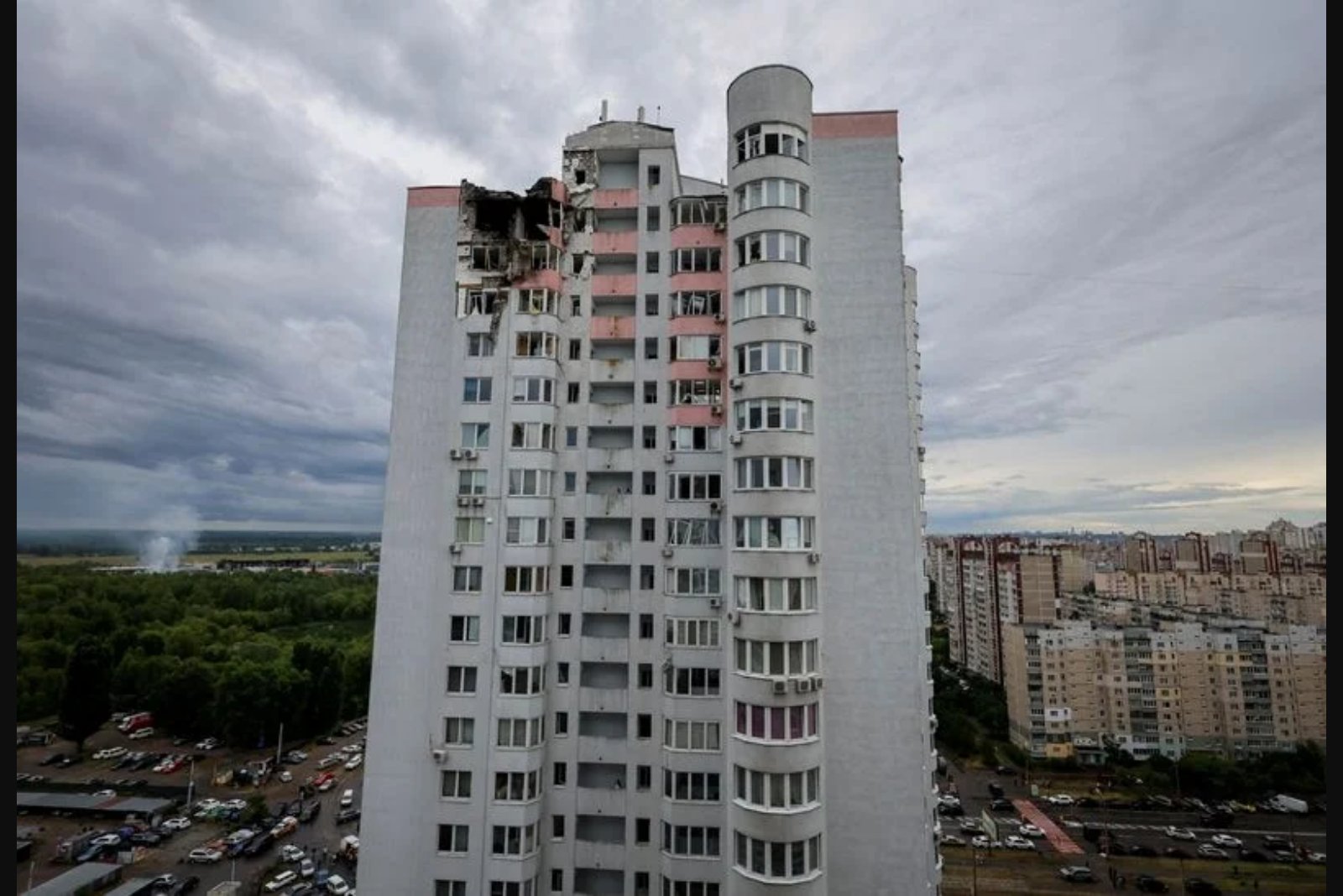
The United Nations reported that Russian aerial strikes killed at least 265 civilians and injured 1,816 in Ukraine during June, marking the largest combined civilian casualty total since the opening months after Moscow launched its full-scale invasion in February 2022. U.N. officials warned the trend may be continuing into July, and finalized figures for June will be published later in July.

U.N. Says June Russian Strikes Caused Highest Civilian Toll Since Early Invasion Months
Summarize with
ChatGPT Perplexity Claude Grok Gemini

Key Points

  • OHCHR-verified figures show at least 265 civilians killed and 1,816 injured in Ukraine in June - the highest combined monthly civilian toll since the opening months after the February 2022 invasion.
  • Since the conflict began, OHCHR has verified at least 16,402 civilian deaths, including 802 children, and 48,428 injured, including 2,948 children - though the U.N. says actual totals are likely higher.
  • U.N. officials report recent large waves of aerial strikes on Kyiv and other cities and warn the concerning trend may be continuing into July; final June data will be published in late July.

U.N. officials told the Security Council on Thursday that Russian strikes in Ukraine killed at least 265 civilians and wounded 1,816 people during June, producing the highest combined monthly civilian casualty figure since the first months following Moscow's full-scale invasion in February 2022.

Rosemary DiCarlo, the U.N. political affairs chief, told council members that while May had already registered the highest casualty total since April 2022, newly compiled data from the U.N.'s Office of the High Commissioner for Human Rights - OHCHR - indicate an even larger toll for June, and preliminary indications suggest the pattern may have extended into July.

A U.N. spokesperson said that final, consolidated numbers for June will be released in late July.


U.N. findings and official comments

DiCarlo described recent events as a worrying escalation and pointed to a series of large-scale aerial attack waves on Kyiv and other urban areas during the past week, many of which struck densely populated civilian neighborhoods.

"This concerning trend is seemingly continuing into July," DiCarlo said, citing three massive waves of Russian aerial strikes on Kyiv and other Ukrainian cities this past week alone, many targeting urban centers with large civilian populations.

"Any attacks against civilians and civilian infrastructure, wherever they occur, are a clear violation of international humanitarian law and must stop immediately," she added.


Verified totals since the start of the conflict

According to OHCHR verification cited by DiCarlo, at least 16,402 civilians have been killed in Ukraine since the start of the war, including 802 children. The agency has also verified 48,428 civilians injured, including 2,948 children. U.N. officials noted that the true numbers are likely higher than those verified.

DiCarlo also said civilians living in Ukrainian territory under Russian occupation and civilians inside Russia have been killed. She referenced Russian government reports that indicated 250 civilians killed and 1,596 injured inside Russia in the first six months of 2026, but added that the U.N. was not in a position to verify those figures.


Ongoing data collection and next steps

The U.N. continues to compile and verify casualty data, with finalized figures for June expected at the end of July. U.N. leadership emphasized the legal obligation to protect civilians and civilian infrastructure and reiterated calls for attacks against non-combatants to cease.

Risks

  • Continued aerial strikes on urban centers increase the risk of further civilian casualties and damage to civilian infrastructure, affecting humanitarian needs and urban services - impacting logistics, transport and reconstruction sectors.
  • Verification gaps exist for casualties reported inside Russia and in occupied territories, creating uncertainty for humanitarian response planning and cross-border assistance operations - affecting agencies and aid delivery networks.
  • An ongoing rise in civilian casualties and damage to urban infrastructure may strain medical services and emergency response systems in affected cities, with implications for healthcare and emergency logistics providers.

More from World

Oscillating Signals: Trump Alternates Threats and Praise at NATO Summit in Ankara Jul 9, 2026 Andy Burnham Says He Will Press Harder on Israel Over Gaza If He Becomes Prime Minister Jul 9, 2026 Costa Rica’s president and top courts collide, hampering a national response to drug violence Jul 9, 2026 Health System Strains, Crowded Shelters and Water Shortages Heighten Risks After Venezuela Quakes Jul 9, 2026 Hyperscalers Set to Ramp AI Infrastructure Spending to $750 Billion in 2026 Jul 9, 2026