
Economy July 9, 2026 09:03 PM

Regional Mediators Step In to Stabilize US-Iran Nuclear Talks Amid Escalation

Qatar, Pakistan, and Turkey coordinate diplomatic efforts to salvage a deal as hostilities intensify and markets monitor the Strait of Hormuz.

By Avery Klein
Share
Twitter Reddit Facebook LinkedIn

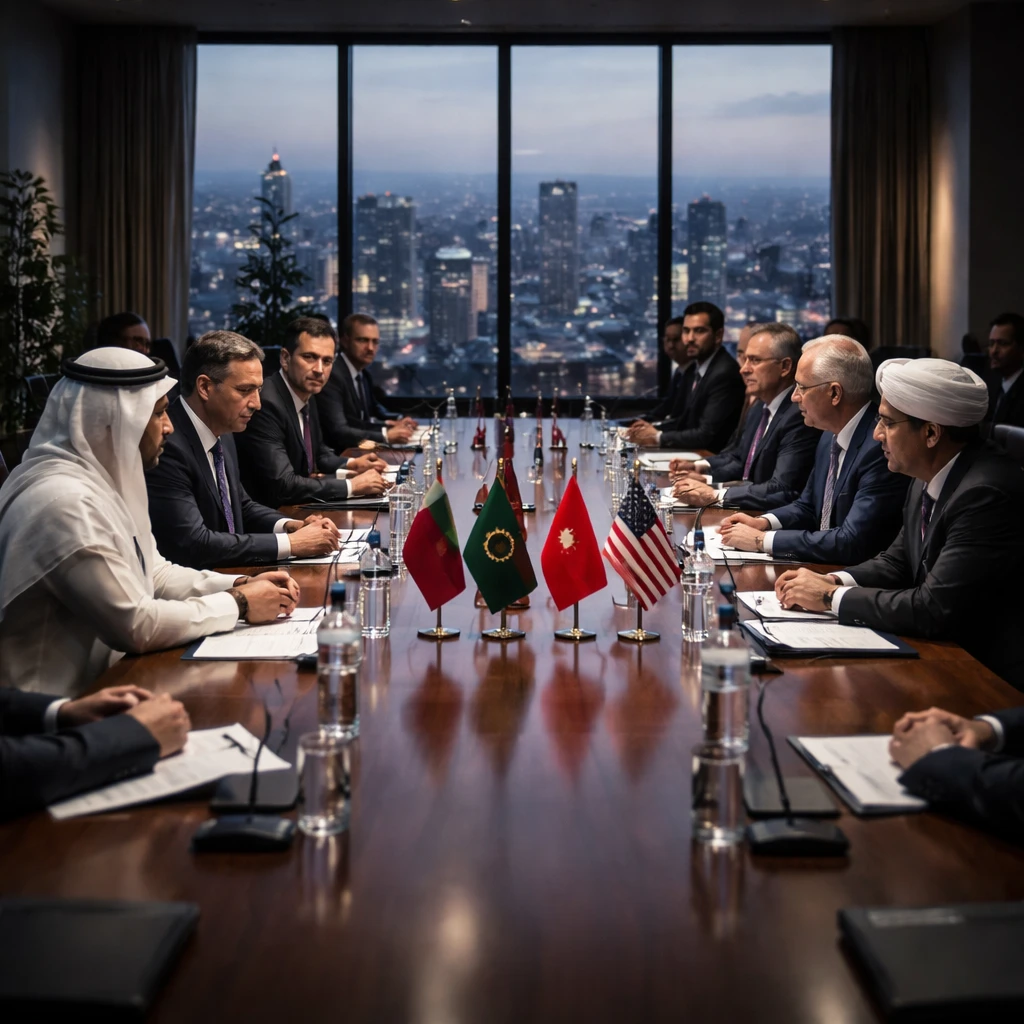
A cluster of regional powers is mobilizing intense diplomatic channels to rescue a United States-Iran nuclear understanding following a significant escalation in military hostilities. Reports indicate that Qatar, Pakistan, and several other regional mediators have engaged in direct talks with officials from both nations. These efforts are designed to ease tensions and potentially revive negotiations that had made meaningful progress toward a formal agreement before the recent breakdown.

Regional Mediators Step In to Stabilize US-Iran Nuclear Talks Amid Escalation
Summarize with
ChatGPT Perplexity Claude Grok Gemini

Key Points

  • Regional mediators from Qatar, Pakistan, Turkey, Egypt, and Saudi Arabia are coordinating phone calls to salvage the US-Iran nuclear deal.
  • The United States maintains a commitment to diplomatic resolution while simultaneously enforcing terms through military action and airstrikes.
  • The Strait of Hormuz remains a critical focal point for US policy, with administration officials prioritizing its reopening to stabilize economic and market conditions.

Diplomatic channels are operating at high capacity as regional powers coordinate a significant mediation effort to stabilize the deteriorating relationship between the United States and Iran. According to reports detailing the situation, intermediaries from Qatar, Pakistan, Turkey, and Egypt are actively engaging with both Washington and Tehran to prevent the complete collapse of a recently established memorandum of understanding. This coordinated push follows a period of sharp escalation in hostilities that has raised concerns about regional stability and broader conflict.

The mediation drive comes directly in the wake of President Donald Trump’s declaration that the existing US-Iran memorandum of understanding and the accompanying ceasefire were no longer valid. Following this announcement, the administration ordered two distinct rounds of airstrikes against Iranian targets. Despite the aggressive military posturing and the rhetoric surrounding the termination of the agreement, underlying diplomatic objectives remain focused on specific strategic corridors and conflict containment. A United States official indicated that the administration continues to prioritize the reopening of the Strait of Hormuz and seeks to avoid a wider, more protracted conflict with Iran.

On Wednesday, officials from Qatar, Pakistan, Turkey, Egypt, and Saudi Arabia held multiple phone calls with representatives from both sides. The mediators operate under the belief that previous rounds of negotiations had generated meaningful progress toward a final nuclear agreement. This assessment suggests that the foundational elements for a deal may still exist despite the recent military actions.

Technical-level talks regarding the nuclear deal are reportedly continuing in the background. A US official noted that the administration remains committed to finding a diplomatic resolution. However, the path forward is complicated by Washington's position that Iran’s recent attacks on commercial vessels constituted a violation of the terms set forth in the memorandum of understanding. The interplay between ongoing technical discussions and the violation claims creates a complex diplomatic environment where mediators are attempting to bridge the gap between military enforcement of terms and the revival of the broader deal.

Risks

  • The potential for a broader conflict with Iran persists, driven by the escalation in hostilities and the termination of the ceasefire, which could severely impact global energy markets.
  • Iran's attacks on commercial vessels are cited as violations of the memorandum of understanding, creating uncertainty for shipping and trade sectors dependent on the region.
  • The collapse of the memorandum of understanding threatens to unravel prior diplomatic progress, potentially leading to prolonged instability in the Middle East and disrupting capital allocation in affected sectors.

More from Economy

Japan's Economy Minister Insists on BOJ Independence Amid Policy Speculation Jul 9, 2026 Fragile yen set for weekly decline as intervention risks mount Jul 9, 2026 Geopolitical Realignment Steers Sovereign Wealth Capital Toward Strategic Domestic Goals Jul 9, 2026 Chip Sector Surge Overpowers Geopolitical Fears as Markets Navigate Complex Landscape Jul 9, 2026 Democratic Senators Press to Delay NDAA Until Senate Debates Deeper Israel Ties Jul 9, 2026