
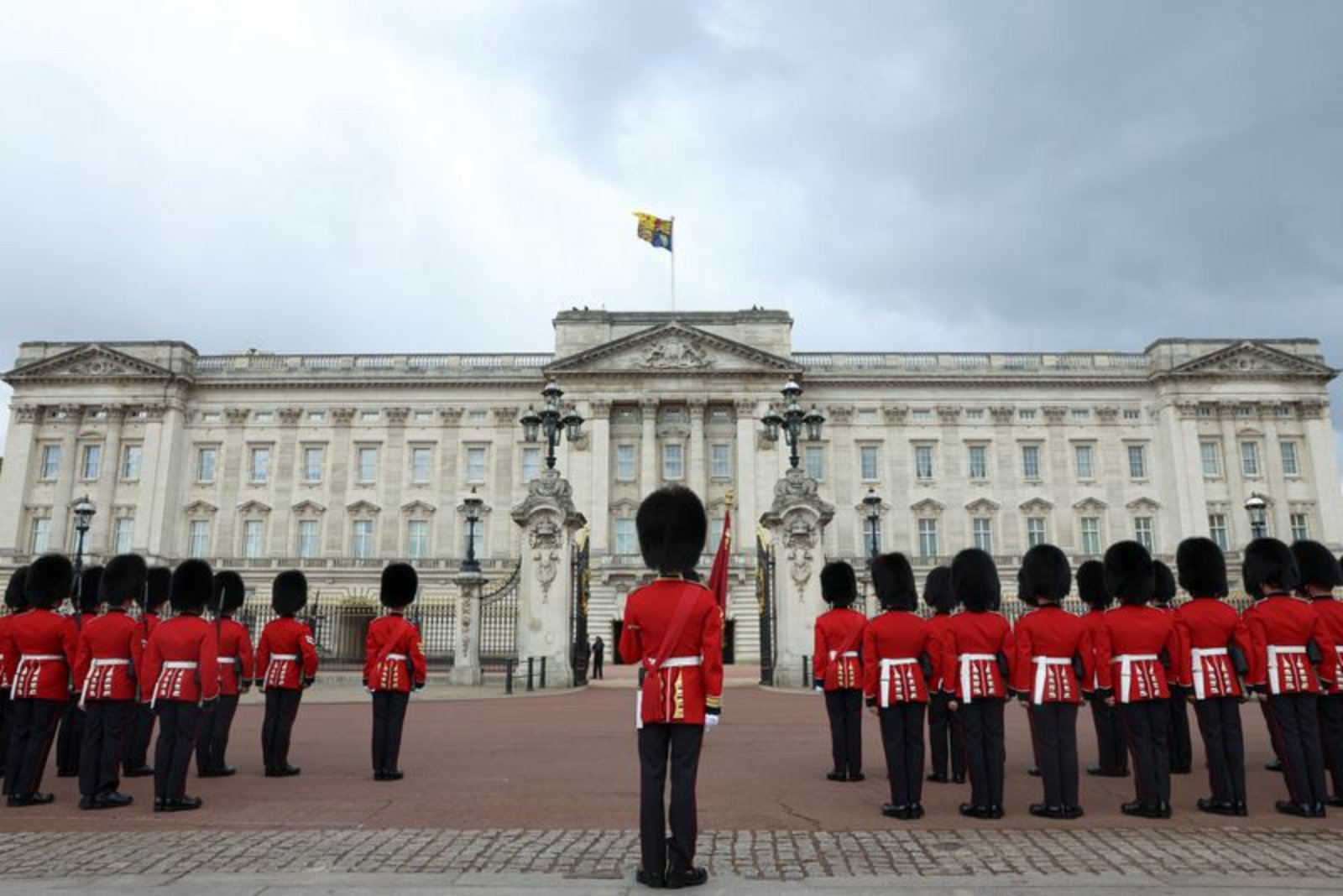
A report in a national newspaper saying Health Minister Wes Streeting could be preparing to resign as soon as Thursday to launch a formal leadership challenge has become the dominant political story, casting a shadow over the King’s Speech in which the government outlines its agenda.
The account said Streeting may step down in an effort to trigger a contest to replace the prime minister. The prospect of such a move was followed by sharp moves in bond markets - government bond futures that had gained earlier in the day gave up those increases, and 20- and 30-year government bonds showed a small rise in borrowing costs by the close of trading.
Streeting briefly visited the prime minister’s Downing Street office and met with Keir Starmer, but he declined to comment afterwards. His office had not immediately provided a response to requests for comment on the report that he might seek to resign to force a leadership contest.
Starmer, who has faced internal dissent before, has sought to minimize such challenges and intends to proceed with unveiling policies aimed at boosting economic growth, strengthening energy security and reinforcing defence commitments in the King’s Speech. Those plans were set out on the day that now appears likely to be dominated by questions about party unity - proposals that could be the prime minister’s last in that format and which may never be implemented if his leadership is successfully challenged.
A direct resignation by Streeting to spark a leadership bid would represent a significant escalation in tensions at the top of the Labour Party. To launch a formal contest, a challenger would need the backing of 81 Labour lawmakers. If Streeting secured that level of support, that could open the field to other potential contenders.
Two figures mentioned as possible alternative candidates are Greater Manchester mayor Andy Burnham and former deputy prime minister Angela Rayner. Both face practical obstacles to entering a leadership contest: Burnham does not hold the necessary parliamentary seat to run, while Rayner has outstanding tax issues related to her resignation from office the previous year that have not been fully resolved. The political positioning of the actors was also noted - Streeting is generally seen as located on the right of the party, while Burnham and Rayner are associated with its soft left.
Market participants have shown signs of nervousness about the potential for a shift toward a more traditional left-wing, tax-and-spend Labour leadership, and such concerns were reflected in the short-term reaction of government bond markets to the resignation reports.
At the time of publication, the situation remained fluid, with Starmer continuing to press ahead publicly with the government agenda and party figures monitoring whether any formal challenge will materialize.