
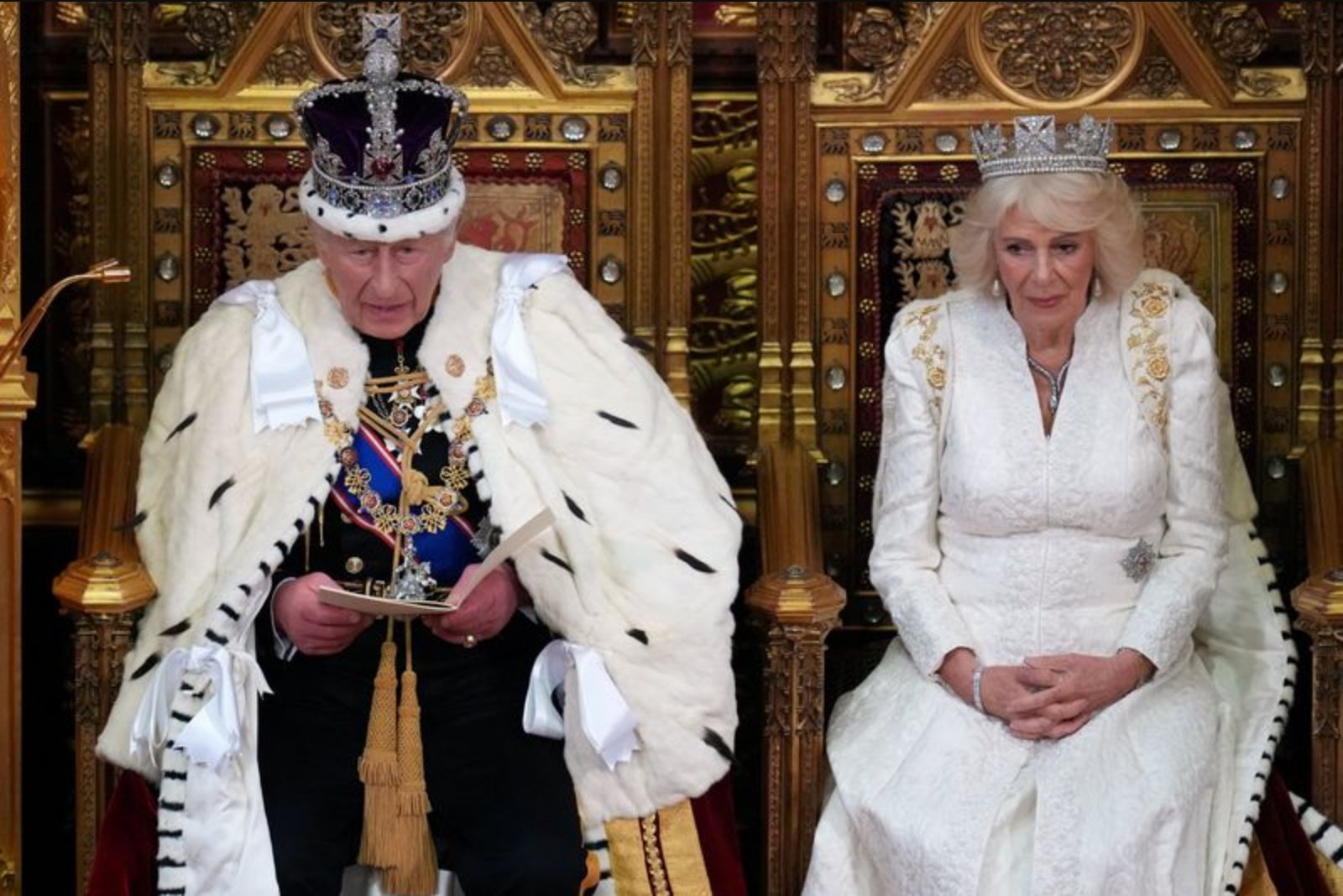
LONDON, May 13 - Prime Minister Keir Starmer’s government unveiled a slate of 37 bills for the next parliamentary session, a legislative package designed to tackle economic growth, national security and a range of high-profile domestic issues. The King’s Speech, formally delivered by the monarch and composed by government ministers, arrives amid internal party disquiet: almost a quarter of Labour lawmakers publicly urged the prime minister to resign following disappointing local election outcomes last week.
The government described the measures as central to its agenda for the session. Below is a detailed guide to the principal bills set out in the speech and the specific policy aims each bill is intended to address.
Relations with the European Union
A European Partnership Bill is proposed to strengthen the United Kingdom’s trade and investment relationship with the European Union, identified as its largest trading partner. The legislation would give the government expanded powers to implement both current agreements and future arrangements with the EU. Officials said the bill is particularly intended to facilitate enactment of recently agreed deals on electricity, emissions trading and the food and drink sector.
Regulators Asked to Prioritise Economic Growth
The Regulating for Growth Bill would require regulators who oversee sectors such as the environment and health and safety to prioritise economic growth and investment. Under the proposals, businesses in areas including artificial intelligence, defence and medical services could carry out controlled testing before taking new products to market. The government argued that Britain’s existing regulatory framework is "frequently complex, risk-averse and slow to adapt" and that the change is needed to accelerate innovation and commercial deployment.
Measures to Reinforce National Security
A Tackling State Threats Bill is intended to make it simpler to designate and impose sanctions on organisations acting on behalf of hostile foreign states. The bill would also expand the tools available to police and prosecutors to investigate and pursue individuals accused of sabotage and espionage under provisions in the National Security Act.
Reform to Strip Peerages
The Removal of Peerages Bill would change the current system that allows some former members of the House of Lords to retain the title "Lord" after they resign or are expelled from the upper chamber. The proposed legislation seeks to make it easier to remove titles from disgraced politicians. The move follows controversy surrounding Peter Mandelson, who was arrested earlier this year on suspicion of misconduct in public office after revelations about his ties to disgraced financier Jeffrey Epstein, and who remains able to use the title "Lord" despite having resigned from parliament.
Tougher Asylum Rules
The government plans a new immigration bill aimed at deterring asylum seekers from travelling to Britain. A central component would replace the current two-tier asylum appeals framework with a single appeals body, which the bill would limit to a single opportunity for asylum seekers to challenge rejected claims. The legislation would also impose new constraints on how judges may interpret Articles 3 and 8 of the European Convention on Human Rights, which protect against inhuman or degrading treatment and safeguard the right to private and family life.
Energy Security and Independence
Several energy-focused bills are planned, targeting a strengthening of Britain’s energy security. This legislative push includes an intention to expand the use of nuclear power and to break the link between electricity prices and volatile gas prices. An Energy Independence Bill would seek to ease and simplify the regulatory environment for the deployment of offshore wind, hydrogen and smart grid technologies, with the stated aim of facilitating the transition to cleaner power.
Lowering the Voting Age
A Representation of the People Bill will implement a previously announced policy to reduce the voting age from 18 to 16 for all UK elections. The government said this change is meant to increase participation and trust in the electoral process.
No Welfare Legislation Included
Notably absent from the list of proposed bills was any legislation aimed at welfare reform. Welfare currently costs the government in excess of 300 billion pounds a year, equivalent to approximately $405 billion. Attempts to cut welfare spending were abandoned last July after a rebellion by members of the governing party.
The government’s legislative agenda therefore spans a broad set of priorities, from international trade mechanisms to domestic institutional change and measures aimed at bolstering economic growth and national security. The package comes at a politically sensitive time for the prime minister, with internal party criticism following recent local election defeats.