
Britain will bring forward a new law to strengthen its relationship with the European Union, the government announced Wednesday, as Prime Minister Keir Starmer pushes to repair economic links with the bloc while also navigating political pressure at home.
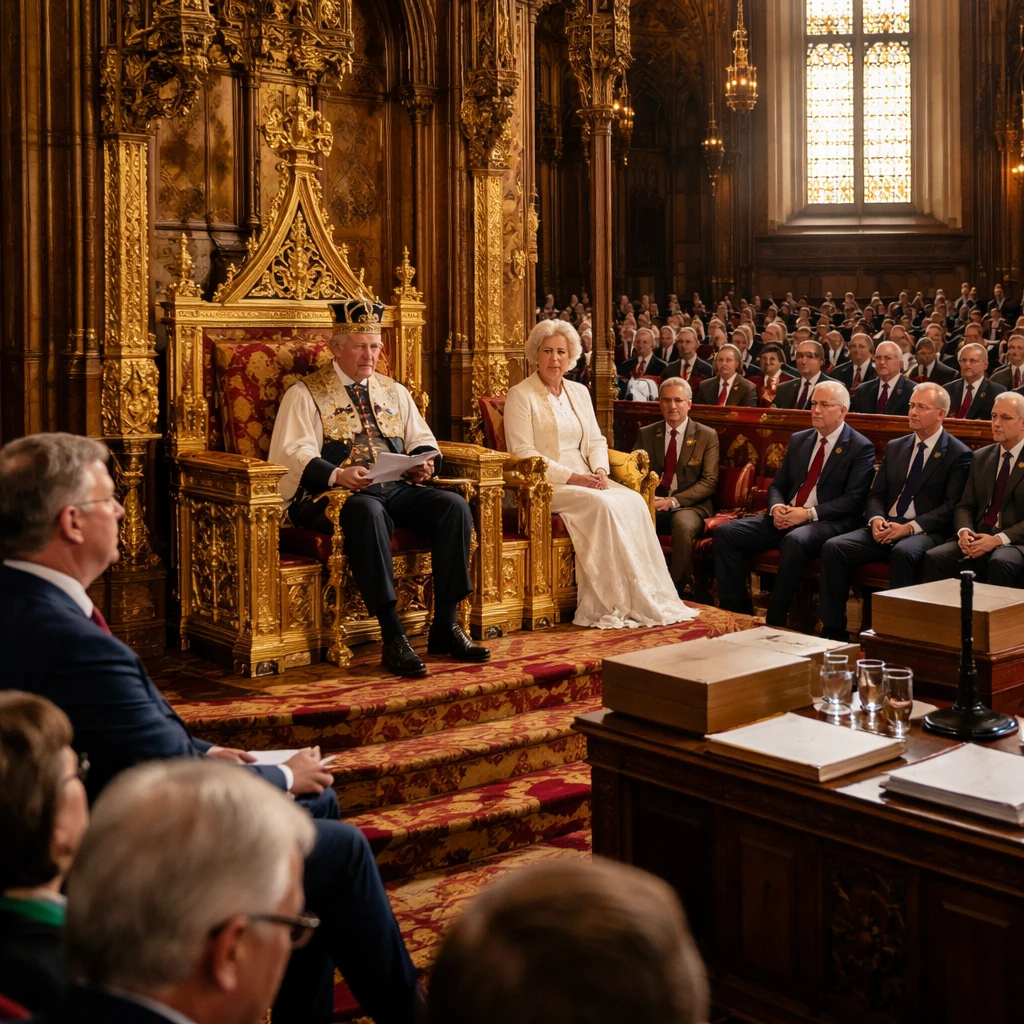
In the formal address to Parliament, King Charles set out the government's legislative agenda and said a bill would be introduced to reinforce ties with the EU. The measure, to be called the European Partnership Bill, is intended to put into effect agreements with the EU both already negotiated and those to be reached in the future, according to the government.
Starmer has faced demands from some lawmakers to resign after his Labour Party suffered heavy losses in recent Scottish, Welsh and local English elections. He has resisted those calls and reiterated that restoring closer cooperation with the EU is a core element of his administration's strategy.
The prime minister has sought a closer alignment with the EU without reopening the Brexit debate that culminated in Britain leaving the bloc in 2020. The government stated that, for the sake of economic growth, Britain needs to default to EU regulatory alignment in some sectors. At the same time, Starmer has ruled out returning the UK to the EU's single market or customs union and has said the country will not restore freedom of movement with the bloc.
Britain and the EU reached a framework last year to enable new agreements on specific areas such as food and drink, emissions trading and electricity, the government noted. Negotiations on the details of those deals are ongoing. The proposed European Partnership Bill is designed to ensure that such agreements can be implemented now and in the future.
Under the terms outlined, any application of EU law in the UK under the bill would require parliamentary scrutiny. The government said that new treaties that might be enacted through the bill would be subject to approval by Parliament before any measures take effect.
In a written introduction accompanying the King's Speech, Starmer framed the legislative push as part of a broader effort to remove barriers to growth and to set a new direction for Britain's role at the next EU summit, with the intention of positioning the country at the heart of Europe.
Context and implications
The proposed legislation is presented as a mechanism to operationalize cooperation with the EU in targeted industries while preserving the government's stated post-Brexit boundaries on market membership and migration. Parliament's reserved role in approving any applied EU law or treaties was emphasized as part of the plan.