
Asian foreign exchange markets traded with little conviction on Thursday as investors monitored a high-stakes, two-day meeting between U.S. President Donald Trump and Chinese President Xi Jinping. The summit, intended to sustain last year’s fragile trade truce, kept traders cautious amid a background of oil-driven inflation concerns that bolstered the greenback.
At the opening of the summit, President Xi described recent talks between U.S. and Chinese officials as producing "positive outcomes" and said cooperation served global economic stability. The summit agenda includes efforts to manage disputes over tariffs, artificial intelligence, semiconductor exports, Taiwan, and China’s relations with Iran.
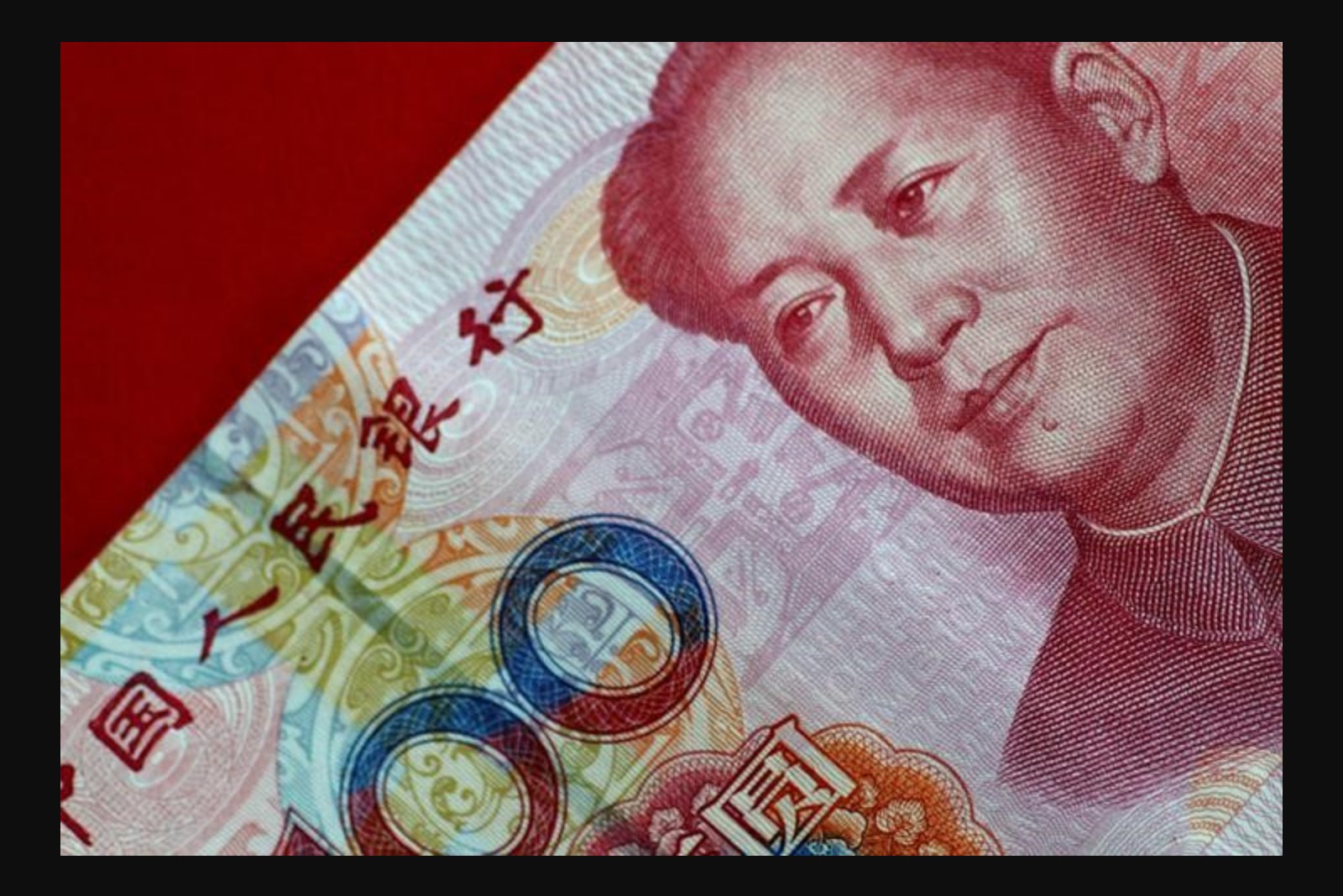
On the currency front, the onshore yuan's USD/CNY pair slipped 0.1%, reaching its lowest level since February 2023. That move reflected a modest strengthening of the yuan as market participants assessed the summit’s early signals.
Elsewhere in the region, Japan’s USD/JPY traded largely unchanged, while South Korea’s USD/KRW rose about 0.2%. The Singapore dollar, measured by USD/SGD, and the Australian dollar versus the dollar, AUD/USD, showed little net movement.
India’s currency remained under pressure. The USD/INR rate climbed roughly 0.2% to a fresh record high of 95.853 rupees per dollar. Analysts cited elevated crude oil prices and ongoing foreign fund outflows as principal drags on the rupee, noting the higher oil bill and imported inflation concerns even as the Reserve Bank of India might step in to intervene.
Supporting the dollar were U.S. price reports that outpaced expectations, reinforcing market views that the Federal Reserve may maintain tighter monetary policy for longer. Data released on Wednesday showed U.S. producer prices for April rose at their fastest year-on-year pace since 2022, with higher energy and transportation costs linked to the Middle East conflict cited as drivers. Consumer prices also accelerated more than anticipated, adding to signs that inflationary pressures could be broadening again.
Overall, the currency moves reflected a mix of summit-related caution and persistent inflation concerns tied to elevated crude prices. Traders awaited further developments from the Trump-Xi talks for clearer directional cues, while U.S. inflation metrics continued to underpin the dollar's relative strength.
Market snapshot:
- USD/CNY edged down 0.1% to its lowest since February 2023.
- USD/JPY traded flat; USD/KRW rose about 0.2%.
- USD/INR rose 0.2% to a record 95.853, pressured by oil prices and foreign outflows.
- U.S. producer and consumer price data showed faster-than-expected gains, supporting expectations of prolonged higher U.S. interest rates.