
Global equity markets extended gains as the AI-led rally continued to set new records, with investors largely unfazed by the prospect that central banks may keep interest rates elevated to fight inflation. Other potential drag factors - oil above $100 a barrel and a stalled diplomatic process to end the Iran war - have not halted momentum in risk assets.
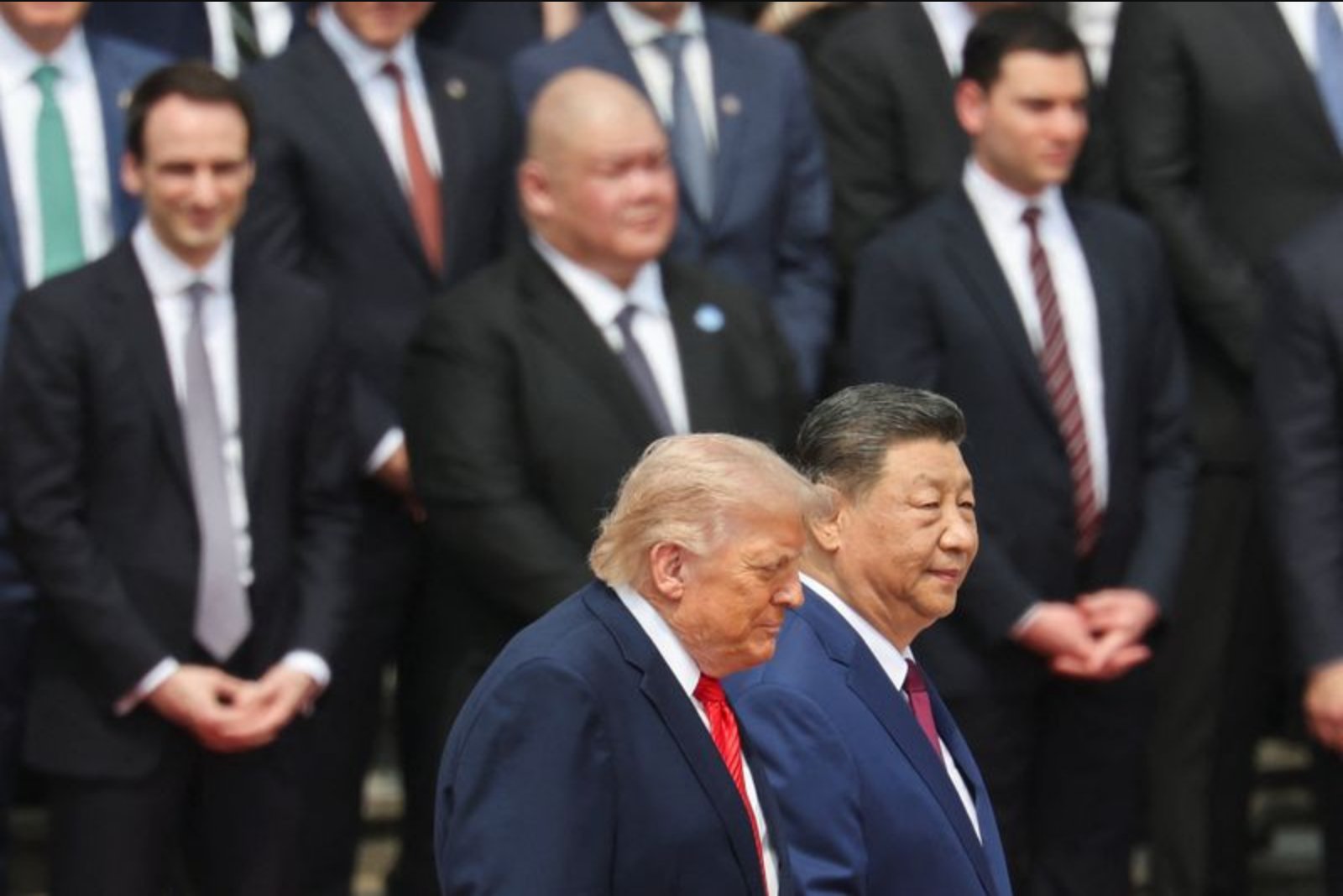
Attention has also focused on a high-stakes bilateral summit in Beijing between U.S. President Donald Trump and China’s Xi Jinping. The two-day talks began with a ceremonial welcome at the Great Hall of the People, where Xi received Trump on the red carpet and the leaders exchanged warm handshakes and smiles. During opening remarks Trump described Xi as a great leader and a friend. The agenda is understood to include their delicate trade truce, the Iran war and U.S. arms sales to Taiwan.
Despite the political theatre, the summit has so far revealed few concrete outcomes. With market expectations muted, even a continuation of the status quo could be read favorably by investors.
Trump arrived in Beijing accompanied by a delegation of chief executives aiming to address bilateral frictions, among them Elon Musk and Jensen Huang, the chief executive of Nvidia. For now, though, AI remains the dominant investment narrative and Asian markets are leading the advance.
South Korea's KOSPI and Taiwan's equity market are trading just below the record highs they reached earlier this week, while Japan's Nikkei has marked a fresh all-time peak. The advance in all three indexes has been powered largely by speculative and fundamental bets on artificial intelligence, with Asian semiconductor manufacturers reporting record profits from orders by hyperscaler customers that are expanding AI infrastructure.
SK Hynix stands out in the rally: described as easily the best performing major stock since 2025, it is reportedly on the verge of joining the trillion dollar club. The stock has climbed more than 1,000% since the start of 2025.
European markets will be watching a slate of UK releases that could shed light on the economic hit from the Iran war, which began at the end of February. Investors expect the data to clarify damage to activity and its implications for sterling and government bonds, both of which remain under pressure.
Domestic politics in the UK adds to the backdrop for markets. British Prime Minister Keir Starmer has resisted calls to resign after his party suffered one of its worst results in last week’s local and regional elections.
Key scheduled developments that could influence markets:
- UK GDP estimate for March and first quarter
- UK industrial and construction output data for March