
Economy May 14, 2026 12:43 AM

BOJ board member Masu urges prompt rate increases if growth holds

Masu signals he could join dissenters at June meeting as inflationary forces from Iran-related energy shock weigh on prices

By Nina Shah

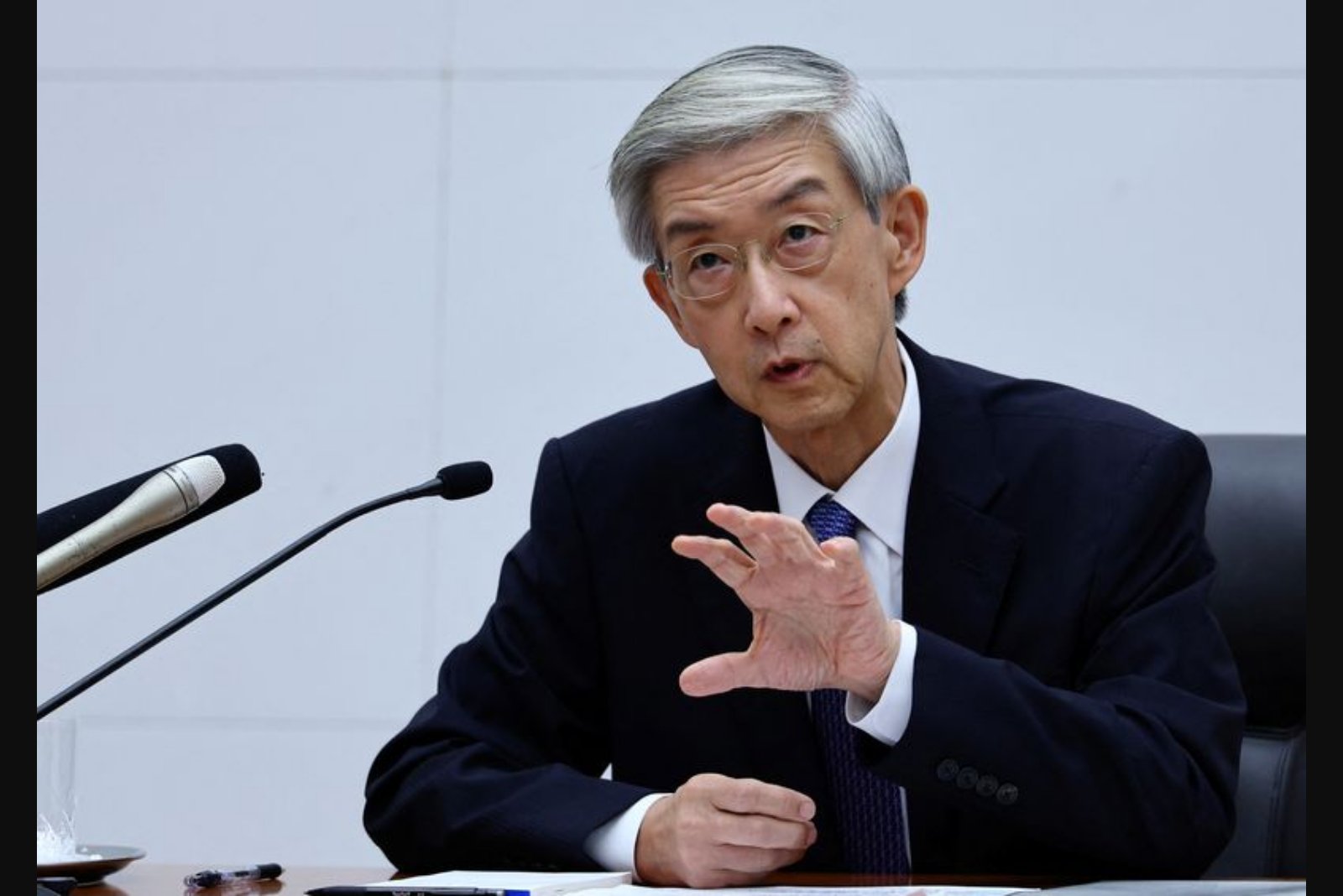
Bank of Japan board member Kazuyuki Masu said the central bank should move to raise interest rates as soon as possible provided there are no clear signs of an economic slowdown. Though he voted to keep rates unchanged at the April meeting, Masu warned that energy and chemical price rises linked to the Iran war could feed into persistent inflation and argued for timely policy tightening to prevent underlying inflation from exceeding 2%.

BOJ board member Masu urges prompt rate increases if growth holds

Key Points

  • Masu signalled that, absent clear signs of an economic slowdown, the BOJ should raise rates at the earliest opportunity - impacts banking and financial sectors sensitive to interest rates.
  • At the April meeting the BOJ held its policy rate at 0.75% while three of nine board members dissented in favour of a rise to 1.0% - market and bond sectors are affected by expectations of tighter policy.
  • Masu highlighted energy and chemical price rises linked to the Iran war as a potential source of persistent inflation through higher distribution costs - commodity, energy, and consumer goods sectors could be affected.

Tokyo, May 14 - A member of the Bank of Japan's policy board warned on Thursday that interest rates should be raised at the earliest opportunity if incoming data fail to show a clear economic slowdown.

Kazuyuki Masu, who voted at the April policy meeting to maintain the BOJ's current stance, said he did not believe conditions at that time warranted a rushed increase in rates. "I myself judge that the situation did not warrant a hasty hike," he said in a speech. "That said, if data do not indicate clear signs of an economic downturn, I believe it is desirable to raise rates at the earliest stage possible."

Masu's comments, made after the board kept the policy rate unchanged last month, suggest he may align with the minority of board members who pushed for higher rates at the April meeting and could join those dissenting voices at the BOJ's next gathering in June.

At the April meeting, the BOJ held its policy rate at 0.75%, while three of the nine board members dissented and advocated raising the rate to 1.0%. Those dissents reflected growing concern about inflationary pressures, which officials linked to an energy shock driven by the Iran war.

Masu noted that rising prices for fuel and chemical products tied to the Iran conflict could be transitory, but he warned they also risk exacerbating distribution costs and seeding more persistent price pressures. "As the behaviour that took root during the period of deflation is now being unentrenched, Japan has clearly entered an inflationary phase," he added.

He emphasized the policy objective ahead: ensuring that underlying inflation does not overshoot the BOJ's 2% target. "Therefore, what is vital from now on is to ensure that, through timely and appropriate policy rate hikes, the underlying inflation rate does not exceed 2%."

The remarks come after the BOJ exited a decade-long, massive stimulus program in 2024 and implemented a series of rate increases, including a move in December. Those decisions were taken on the view that Japan was approaching a durable achievement of the central bank's 2% inflation goal.


Implications

If Masu and other board members press for further tightening, markets and financial institutions will be closely watching the BOJ's next policy statement and economic projections. The interaction between energy-driven price pressures and underlying domestic inflation will be central to the board's assessment of timing and magnitude of any future rate steps.

Risks

  • Energy price shocks from the Iran war could push up distribution and production costs, creating a risk of more sustained inflation - with implications for consumer goods and logistics sectors.
  • Uncertainty over whether recent price rises are temporary or more entrenched complicates policy decisions and could disrupt interest-rate-sensitive sectors such as banking and real estate.
  • The BOJ risks tightening policy prematurely if economic activity weakens unexpectedly; the trade-off affects credit conditions and profitability in the financial sector.

More from Economy

Investors Brace for Sustained High Treasury Yields as Incoming Fed Chair Confronts Oil-Driven Inflation May 14, 2026 AI rally keeps markets buoyant as Trump-Xi summit dominates headlines May 14, 2026 Trump and Xi Signal Desire to Repair U.S.-China Relations as Beijing Summit Opens May 13, 2026 U.S. Dollar Strengthens Amid Rising Inflation Data and Geopolitical Tensions May 13, 2026 British Housing Market Sentiment Deepens Amidst Economic Volatility and Rising Rates May 13, 2026