
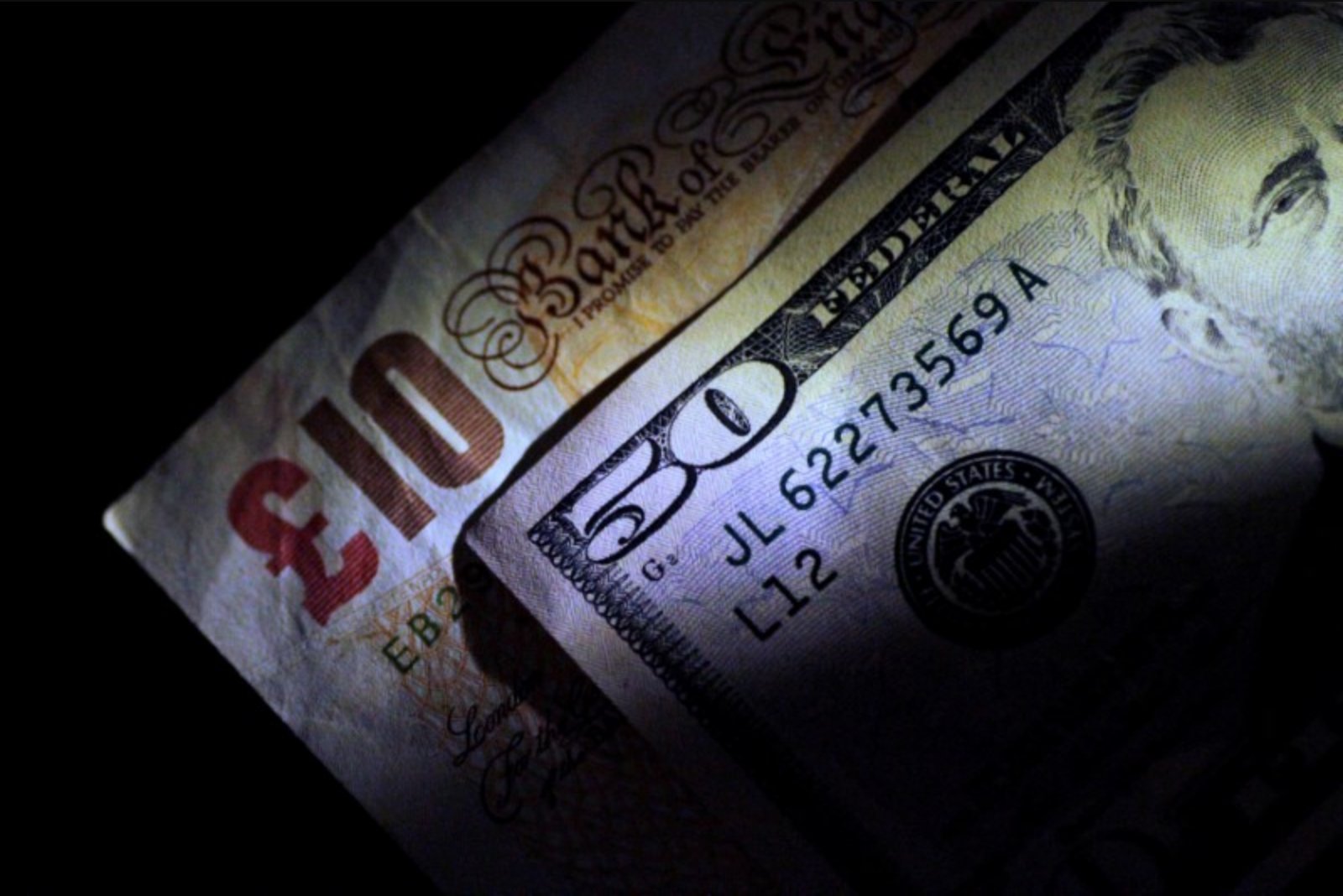
Sterling extended losses on Wednesday as a stronger-than-anticipated U.S. inflation report bolstered the dollar and solidified market views that the Federal Reserve may need to keep interest rates elevated for a longer period. At 08:45 ET (12:45 GMT), GBP/USD was down 0.36% at 1.3493, while EUR/USD slid 0.28% to 1.1705 as broad-based demand for the greenback increased across foreign exchange markets.
The dollar’s advance followed April U.S. producer price index (PPI) data that came in well above consensus, compounding inflation concerns that had been intensified earlier in the week by a hotter consumer price index (CPI) print. Headline PPI rose 1.4% month-on-month versus forecasts for a 0.5% increase, while the annual rate accelerated sharply to 6% from 4% previously.
Core PPI also surprised to the upside. Core producer inflation climbed 1.0% on the month against expectations of a 0.3% increase, pushing the annual core rate to 5.2% compared with forecasts of 4.3%. Market participants interpreted the stronger PPI as further evidence that inflationary pressures remain embedded in the U.S. economy.
Those readings led investors to pare back expectations for near-term Fed easing and to begin pricing in higher odds of additional rate hikes. The renewed inflation backdrop lifted Treasury yields and provided further support to the dollar as traders weighed the possibility of an even more hawkish stance from the Federal Reserve in upcoming meetings.
ING highlighted the market reaction, noting that "recent inflation surprises have already shifted one-year forward OIS pricing to its highest levels since early 2025," reflecting growing anticipation that restrictive policy could persist longer than previously expected.
Global political developments were also in focus. U.S. President Donald Trump arrived in Beijing for talks with Chinese President Xi Jinping, and said he would hold a "long talk" on Iran, although trade discussions are expected to dominate the agenda. Investors are watching the summit closely for any indications of improved U.S.-China relations or commercial agreements that could affect global growth sentiment and overall risk appetite.
For sterling, domestic political uncertainty added to the currency’s fragility. Markets remained sensitive to speculation surrounding Prime Minister Keir Starmer’s leadership, with concerns that prolonged instability within the Labour Party could further weaken investor confidence in UK assets.
Elsewhere, the euro stayed on the back foot as rising U.S. yields and strong dollar demand outweighed support from otherwise relatively stable eurozone data. With oil prices described in market commentary as remaining elevated and inflation pressures broadening globally, ING warned that any deterioration in equity sentiment could inflict additional downside on the euro and other major currencies versus the dollar.
Looking ahead, market drivers in the near term are expected to be incoming inflation data, shifting central bank expectations and geopolitics. Traders will be closely watching whether persistent price pressures and elevated energy costs compel policymakers to adopt a more aggressively hawkish stance.
Market snapshot
- GBP/USD: down 0.36% at 1.3493 (08:45 ET / 12:45 GMT)
- EUR/USD: down 0.28% at 1.1705
- U.S. headline PPI: +1.4% month-on-month; annual rate 6% (from 4%)
- U.S. Core PPI: +1.0% month-on-month; annual rate 5.2% (vs forecasts of 4.3%)
Notes: The article focuses on market reactions to U.S. producer inflation, investor expectations for Federal Reserve policy, the impact on major currency pairs, and the influence of political developments in both the U.S.-China summit and UK domestic politics.