
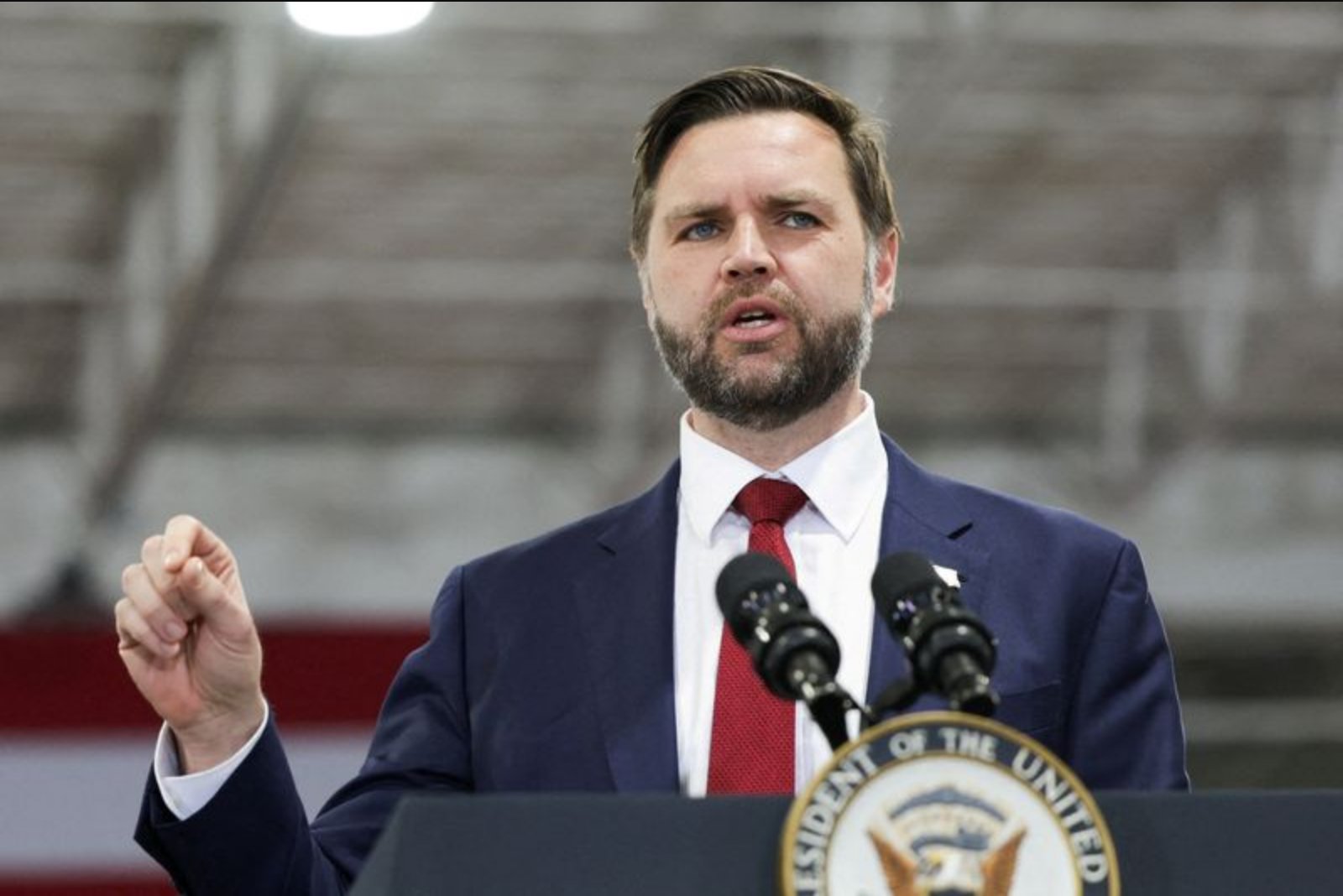
The U.S. federal government will impose a temporary moratorium on new home health and hospice provider enrollments in the Medicare program, a senior administration official said. The measure, set to take effect on Wednesday, is being advanced by an anti-fraud task force led by Vice President JD Vance and is intended to address what the administration describes as widespread fraud in those sectors.
According to the official, the pause is meant to give the Centers for Medicare & Medicaid Services (CMS) additional time to conduct a comprehensive accounting of Medicare expenditures tied to hospice and home health services and to develop clearer guidance for enforcement and oversight. One specific concern cited by the official was the rapid pace at which fraudulent home health and hospice operations can be established.
The task force is expected to make the enrollment pause public, along with several other policy changes, later on Wednesday. A spokesperson for the task force emphasized frustration with ongoing abuse, saying that fraud had been occurring for too long and that the task force is working to stop large-scale schemes that cost taxpayers and beneficiaries.
Scope of the programs and recent oversight
Medicare spending on these lines of care is substantial. In 2024, the Medicare Payment Advisory Commission reported that hospice care served 1.8 million beneficiaries at a cost of $28.3 billion. Over the same period, 2.7 million Medicare beneficiaries received home healthcare services, costing about $16 billion, the advisory commission said.
The move follows previous actions by the administration aimed at sectors it views as vulnerable to abuse. Earlier this year, in February, the administration announced a pause on Medicare enrollments for suppliers of durable medical equipment, including items such as prostheses. The current policy expands that approach to hospice and home-health enrollments on a national scale.
Industry reaction and differing perspectives
Stakeholders in the hospice and home health industries expressed differing views as the administration considered these measures. The National Partnership for Healthcare and Hospice Innovation publicly backed a temporary halt to hospice enrollments in March. By contrast, the National Alliance for Care at Home cautioned that overly broad restrictions could discourage clinicians from recommending care or patients from pursuing needed services.
The administration has also concentrated enforcement attention on specific states and providers. It has singled out several Democratic-led states, including California and Minnesota, as not doing enough to combat fraud, while oversight of hospices in Georgia and Ohio was stepped up in the previous year. Major U.S. home health operators cited by the administration and industry observers include BrightSpring Health Services, plasticity-backed Matrix Medical Network, and UnitedHealth. Among leading hospice providers is VITAS Healthcare, a unit of Chemed Corporation.
Wider crackdown and related actions
Federal officials and anti-fraud authorities estimate that tens of billions of dollars are lost each year in the U.S. to healthcare fraud, a drain that contributes to higher costs for patients and employers, according to the National Health Care Anti-Fraud Association. As part of broader enforcement, the administration in February paused enrollments for suppliers of durable medical equipment and has taken other steps aimed at curbing perceived vulnerabilities in federally funded healthcare programs.
Actions originating in Minnesota played a catalytic role in the administration's crackdown. In February, the federal government announced it would withhold $259 million in Medicaid funding from the state. The administration has repeatedly highlighted a scandal that began in 2020 in Minnesota, in which 47 people were accused of defrauding $250 million from a state-run, federally funded child nutrition program. Local reporting has noted that many defendants in that case were Somali Americans.
That controversy also influenced other federal responses earlier this year: the administration deployed thousands of federal immigration officers to Minnesota as part of a migrant enforcement action, then adjusted tactics after the shooting deaths of two people during protests of its policies.
What to expect next
The task force’s announcement will formally institute the enrollment pause and may include additional directives. Officials said the temporary measure is intended to be a holding action while CMS compiles expenditure data for hospice and home health under Medicare and develops more specific guidance for providers and staff responsible for enrollment approvals.
Industry groups have urged targeted approaches in response to fraud risks, while warning against broad measures that could unintentionally limit patient access or provider participation. The administration’s continued focus on perceived hotspots and prior actions against equipment suppliers signal that further sector-specific policies could follow.
Summary
The administration will halt new Medicare enrollments for home health and hospice providers to allow CMS to review spending and issue new guidance amid concerns about rapid establishment of fraudulent operations and large-scale abuse. The pause follows prior enforcement steps across other healthcare sectors, has drawn mixed reactions from industry organizations, and comes against a backdrop of high estimated losses from healthcare fraud.