
Asian foreign exchange markets moved lower on Tuesday as sustained tensions in the Middle East kept crude prices high and increased demand for the U.S. dollar. The pressure on regional currencies was compounded by investor caution ahead of key U.S. inflation data and a high-profile meeting between U.S. President Donald Trump and Chinese President Xi Jinping later in the week.
The U.S. Dollar Index climbed 0.2% during Asian trading hours, and futures on the index were also about 0.2% higher as of 00:55 ET (04:55 GMT).
Indian rupee records fresh low
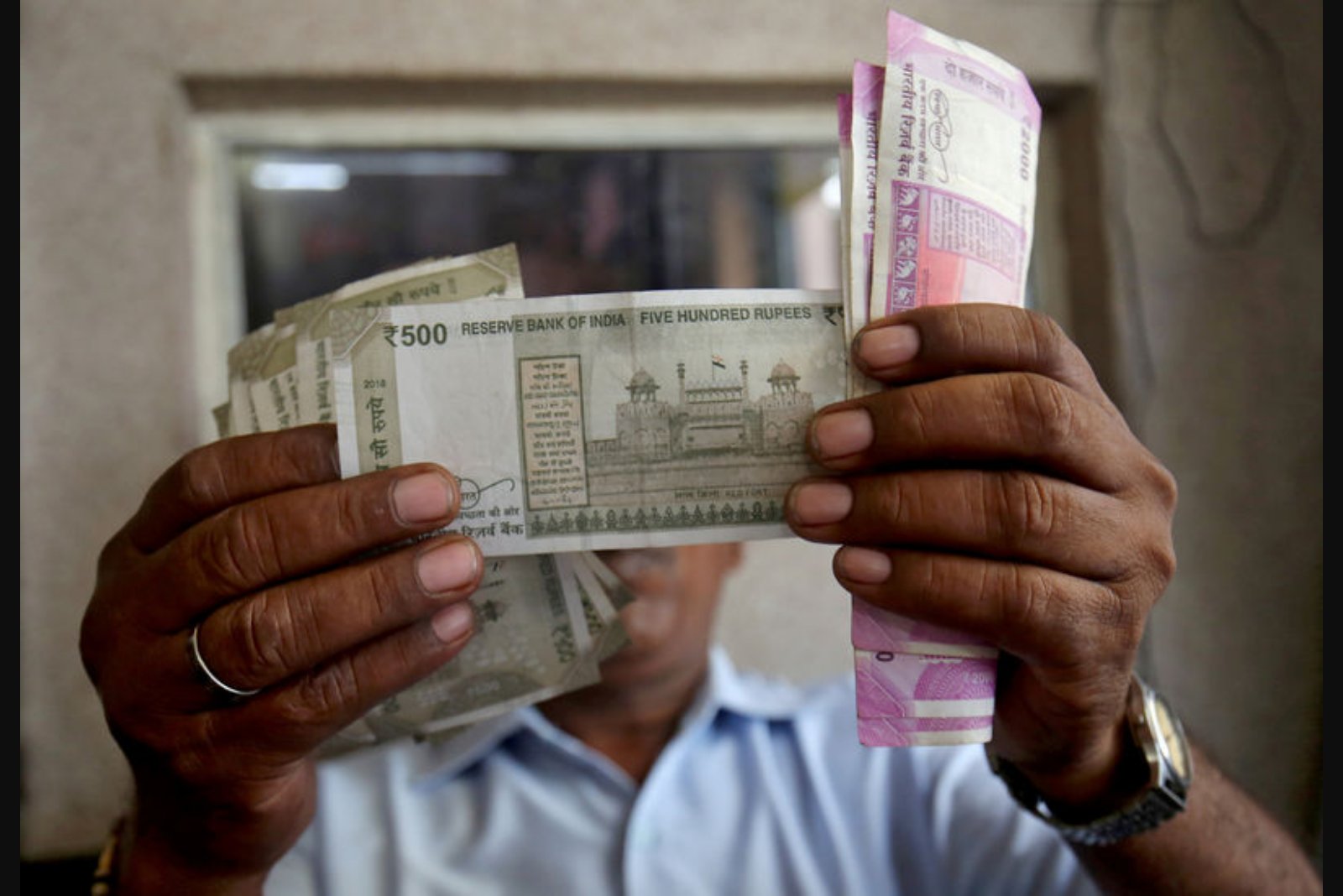
The Indian rupee tumbled to an all-time low against the dollar, with the USD/INR rate spiking to as high as 95.625 in early trade. The pair trimmed some of that move after what market participants considered to be suspected intervention by the Reserve Bank of India.
Prime Minister Narendra Modi urged households and businesses to cut fuel use, limit non-essential travel and reduce imports to preserve foreign exchange reserves while crude remains elevated. These appeals underscore the strain higher oil prices place on oil-importing economies.
Broader Asian currency landscape
- The South Korean won weakened further, with USD/KRW jumping 0.7% after a nearly 1% rise in the prior session.
- Japan's yen lost ground as USD/JPY rose 0.3%.
- The Singapore dollar softened, with USD/SGD edging up 0.2%.
- The Australian dollar slipped against the greenback, with AUD/USD down 0.3%.
- China's onshore yuan, however, traded largely flat against the dollar with USD/CNY showing little change.
Drivers of risk sentiment
Market sentiment remained fragile after President Trump said the ceasefire with Iran was "on massive life support" following Tehran's response to a U.S.-backed peace proposal. Trump said the two sides were still far apart on key issues, raising concerns that hostilities could resume and further disrupt shipping through the Strait of Hormuz, a vital route for global energy flows.
A late report indicated that Trump was more seriously considering resuming major combat operations against Iran as peace negotiations stalled. Such comments helped underpin demand for safe-haven assets, including the dollar, and amplified pressure on currencies of oil-importing countries.
Focus shifts to U.S. inflation and the Trump-Xi summit
Traders were closely watching the U.S. Consumer Price Index report due later on Tuesday for guidance on the Federal Reserve's interest-rate path. Analysts noted that higher oil costs are increasing import bills for Asian economies and are denting expectations for monetary easing in the region.
Investors are also monitoring the upcoming meeting between Trump and Xi in Beijing, where officials are expected to discuss the Iran situation, trade tensions and energy security. Market participants said any visible thaw in U.S.-China relations could help stabilise regional currencies and might positively influence prospects for resolving the Iran conflict.
Overall, the mix of elevated oil prices, geopolitical uncertainty and major upcoming events left Asian FX markets trading with a cautious tone.