
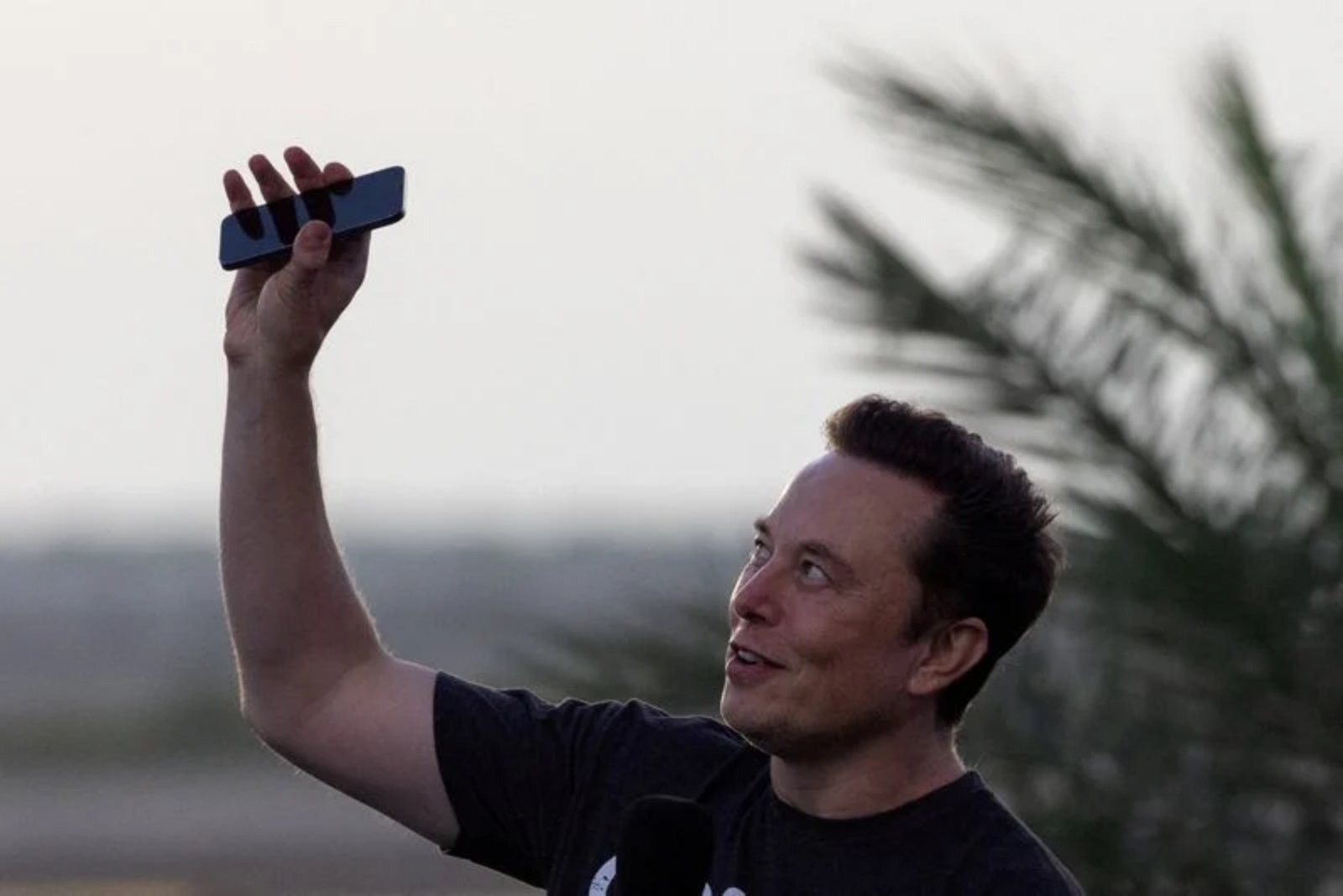
SpaceX's initial public offering, which generated a record $75 billion and jumped sharply in its debut session, vaulted Elon Musk into what publications are calling the first trillionaire club. Forbes has placed his net worth at roughly $1.1 trillion following the share sale, a figure that places him well ahead of the nearest rivals in global wealth rankings.
The bulk of Musk's newly estimated fortune is tied up in SpaceX. His stake in the rocket, satellite and AI enterprise is valued at about $866 billion, and his overall $1.1 trillion figure includes stock elements that would vest over time. The headline-grabbing valuation underscores investor appetite for companies in Musk's orbit and highlights how much of his economic standing now depends on the market reception to SpaceX.
That market reception comes amid heightened public scrutiny of wealth concentration and widening concerns about inequality. Musk, who has become a central figure in internet culture and popular discourse, remains a polarizing presence. Admirers praise his unfiltered manner and view it as part of his appeal, while critics worry about what some describe as oligarch-like influence, governance questions at his companies and his forays into partisan political commentary.
SpaceX and Tesla together form the core of Musk's commercial empire. Investors appeared to reward the combination of the two businesses on the heels of the SpaceX IPO - an outcome that reinforces long-standing investor faith in Musk's capacity to generate outsized returns. Yet that faith is not without its skeptics. Much of SpaceX's valuation is premised on technologies and revenue sources that may require years or even decades to mature and become broadly commercial.
Money, Markets and a Polarizing Public Figure
Musk rose to household recognition through Tesla and SpaceX before broadening his public reach with the purchase of a major social media platform for $44 billion in 2022. That acquisition gave him a direct communications channel to hundreds of millions of users and elevated his profile on subjects ranging from politics to immigration, fiscal policy and free speech.
His political engagements have been particularly contentious. The article notes his role in an advisory capacity in the U.S. President's Department of Government Efficiency last year, and it references a pattern in which his political interventions have attracted public debate. Part of the fallout from his high-profile political activity coincided with a period in 2025 when Tesla saw weakening sales in several international markets amid protests and consumer boycotts aimed at the automaker.
The 'Elon Premium' and Corporate Strategy
Observers and market participants have coined terms to capture the valuation uplift they attribute to Musk's persona and track record. The informal label 'the Elon premium' describes a market phenomenon where investor confidence in Musk's vision can push valuations beyond what traditional financial metrics might suggest. Enthusiasts argue his history of converting ambitious concepts into high-value companies underpins that premium.
Some analysts note Tesla's role in catalyzing a broader industry pivot to electric vehicles. Musk assumed the principal leadership role at Tesla in 2008, coming from a background that included studies at the University of Pennsylvania and early entrepreneurial ventures. His conviction that electric vehicles could combine high performance with advanced software-driven features helped reshape perceptions of what a car company could deliver. Critics and competitors initially doubted a startup could scale mass production profitably, yet Tesla ultimately became the world's most valuable automaker.
Beyond Tesla and SpaceX, Musk is a founder or co-founder of several other ventures, including the tunneling enterprise The Boring Company and the neural implant startup Neuralink. The web of companies tied to his leadership has encouraged some investors to view bets on these firms as bets on a single entrepreneur's stewardship and vision.
Governance, Legal Issues and Public Battles
The concentration of influence in one figure raises corporate governance questions. Critics highlight risks connected to conflicts of interest and the perils of aligning company fortunes too tightly with the fate of a single individual. Over time Musk's public confrontations with regulators, media outlets, investors and short sellers have become recurring features of his public life, often playing out on social media and attracting widespread attention.
Tesla itself has encountered legal and shareholder challenges tied to Musk's leadership, including scrutiny of a 2018 compensation package that was at one point valued at $56 billion. Such controversies, along with Musk's outspoken style, have fueled debate over whether the premium that markets place on his leadership is justified by longer-term fundamentals.
Voices and Valuations
Market analysts and industry figures quoted in financial commentary emphasize divergent views. Some see Musk as an innovator whose successes justify investor optimism. Industry veteran Bob Lutz, a former General Motors vice chairman, is cited as crediting Musk with renewing respect for American ingenuity in automotive engineering. At the same time, IPO analysts describe valuations of SpaceX as heavily contingent on faith in Musk's capacity to execute on future technologies.
Matt Durot, deputy editor at a wealth-focused publication, is cited noting the distance between Musk's estimated net worth and his closest rivals, with the second-richest person described as hovering around $300 billion and only one other person having reached $400 billion. Matt Kennedy, a strategist who follows IPOs, is quoted characterizing SpaceX as, in many ways, "a bet on Elon Musk," suggesting that very high market caps for the company would challenge standard valuation frameworks and instead reflect the 'Elon Musk premium.'
Supporters in banking have also made prominent public statements. Jamie Dimon, the chief executive of a major bank, is quoted as saying: "Elon is the Edison of our time." Dimon has publicly described previous tensions with Musk as resolved and lauded aspects of his accomplishments, even as opinions about Musk remain divided across the public and financial spheres.
Conclusion
The SpaceX IPO and the market reaction that followed have consolidated Elon Musk's financial status and sharpened debates about the role of singular visionary founders in public markets. While investor enthusiasm has produced extraordinary valuations, the underlying businesses, especially in space and advanced artificial intelligence, face long time horizons to full commercial maturity and depend on continued execution. The concentration of wealth in one individual and the intertwining of corporate strategy with personal brand and political activity leave open questions about governance, market assumptions and the durability of the valuations that now rest at the center of Musk's empire.