
Michigan health officials announced on Wednesday that the state's confirmed cyclosporiasis case count has reached 10,077, an increase of 397 cases from the figure released the previous day. The state's reporting also shows 160 hospitalizations as of July 23, and to date there have been no deaths recorded in Michigan related to the outbreak.
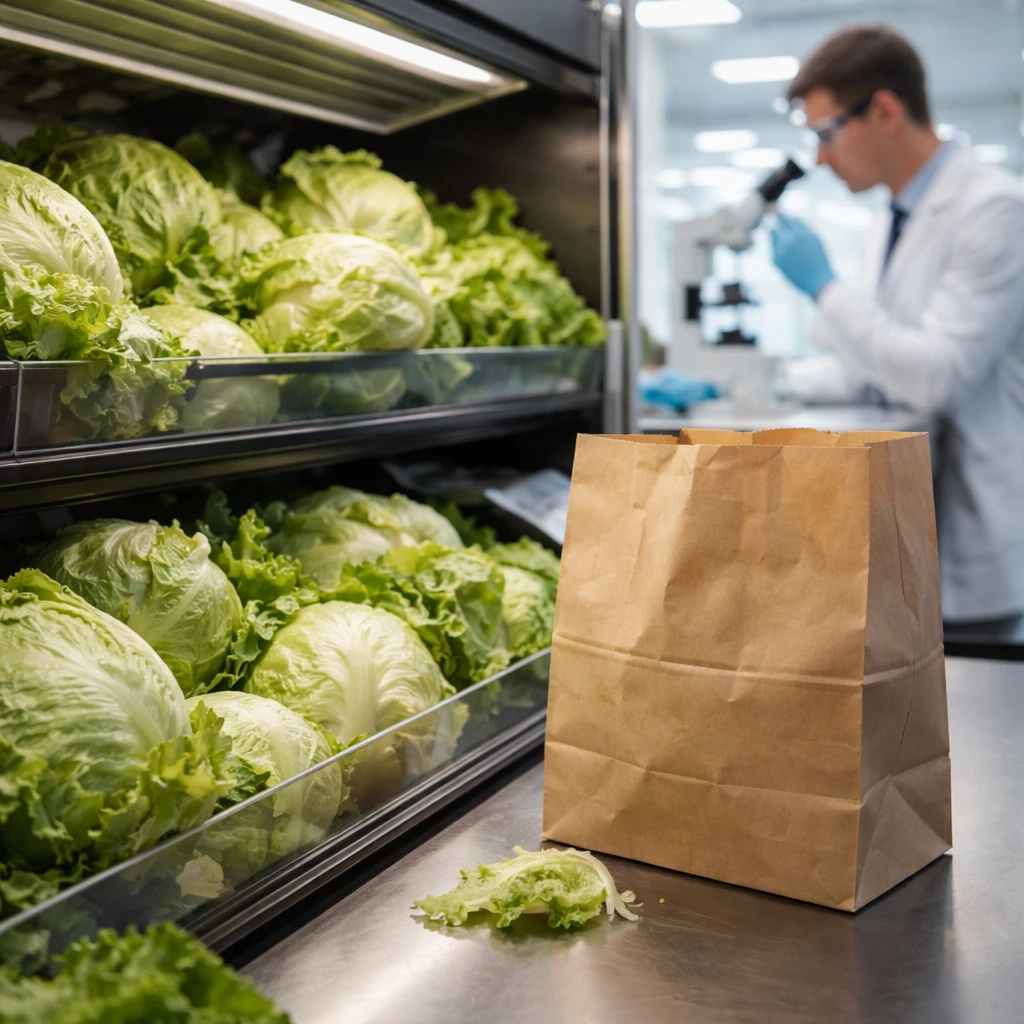
The U.S. Food and Drug Administration has identified iceberg lettuce served at Taco Bell restaurants as a linked vehicle for the outbreak. The lettuce in question has been traced to privately held Taylor Farms operations in central Mexico. Despite this linkage, public health authorities emphasize that investigations remain active to determine whether additional sources are contributing to the overall number of infections.
Nationwide, the Centers for Disease Control and Prevention has received reports of 6,707 laboratory-confirmed domestic cases of cyclosporiasis. The CDC has also indicated awareness of more than 11,500 additional cases that are either not laboratory-confirmed or that still require further investigation; these reports span 45 states.
State-level investigations have produced varying indications of potential exposures. In North Carolina, health officials reported that parsley and cilantro were commonly identified ingredients among people who became ill, though they noted the possibility of multiple sources of exposure. Given the degree of geographic spread and the range of reported common ingredients, investigators continue to seek clarity on the outbreak's full set of sources.
The cyclospora parasite, which causes cyclosporiasis, is typically transmitted when people consume food - most often raw fruits and vegetables - or water contaminated with feces. As the multistate outbreak has unfolded, consumer behavior has shifted: some diners have avoided certain restaurant chains and grocery shoppers have been purchasing less lettuce, reflecting uncertainty about what produce and prepared foods are safe to consume.
Key points
- Michigan reported 10,077 cases, up 397 from the prior day's update, with 160 hospitalizations reported as of July 23 and no deaths.
- The FDA has linked the outbreak to iceberg lettuce served at Taco Bell restaurants, sourced from Taylor Farms operations in central Mexico, but investigations are ongoing for other potential sources.
- The CDC has 6,707 laboratory-confirmed domestic cases and is aware of more than 11,500 additional cases pending confirmation or further investigation across 45 states.
Risks and uncertainties
- Investigations are ongoing and additional sources of infection may be identified, which could broaden the scope of affected supply chains and businesses.
- Consumer avoidance of certain restaurants and reduced lettuce purchases at grocery stores signal demand impacts for foodservice and retail produce sectors amid continuing uncertainty.
- State-level findings, such as parsley and cilantro being commonly reported in North Carolina cases, indicate multiple potential exposure pathways that complicate containment and attribution.
Public health officials continue to collect and analyze data to refine the understanding of exposures and to provide guidance aimed at halting further transmission. For now, the combination of an FDA linkage to a specific lettuce source and continuing inquiries into other possible vehicles for cyclospora infection underscores both the scale of the public-health response and the persistent uncertainties faced by investigators, consumers, restaurants, and produce suppliers.