
German state-controlled energy group Uniper has completed a 20-year liquefied natural gas (LNG) purchase agreement with Canada, the company confirmed on Wednesday. The contract formalizes a preliminary arrangement first reached in June.
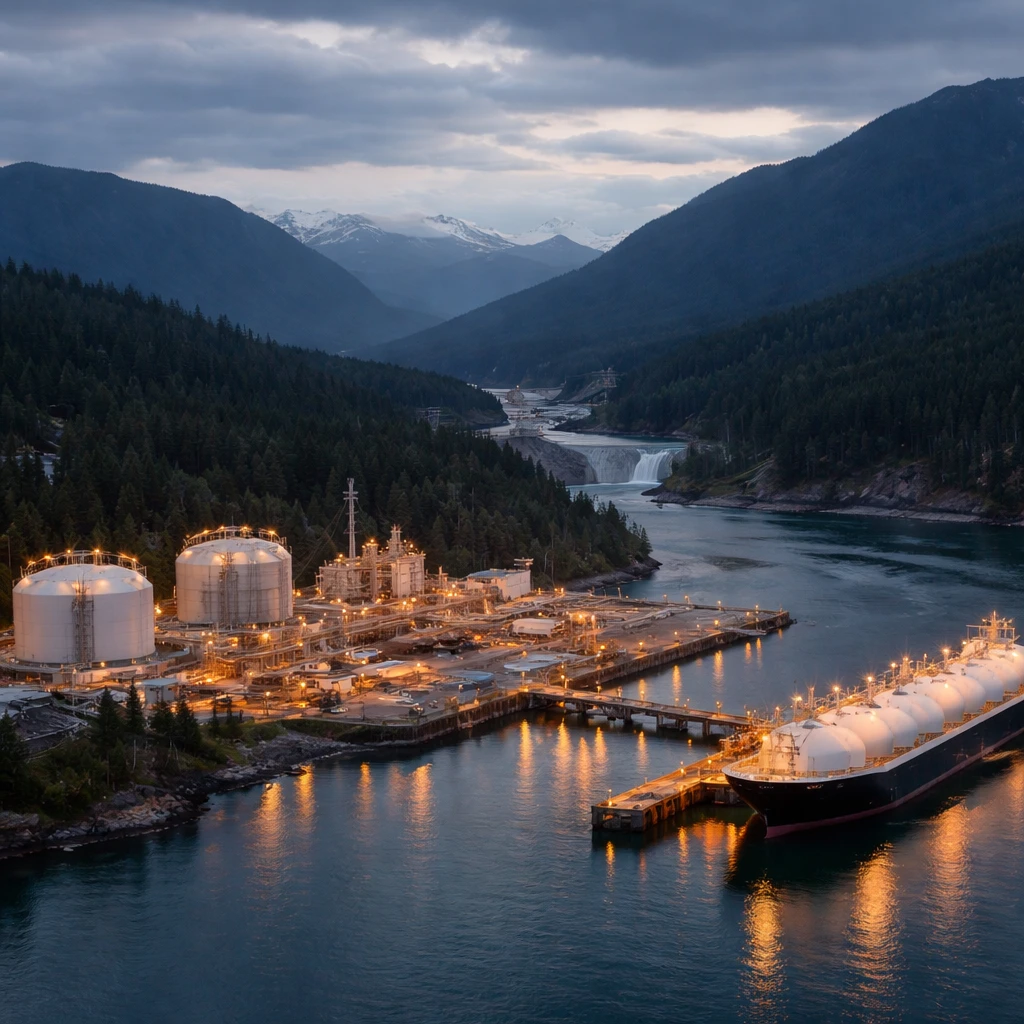
Under the terms, Uniper will receive 2 million tonnes of LNG each year from 2032 from the Ksi Lisims project, which is situated on British Columbia's Pacific coast. The agreement secures long-term cargoes from a facility that the developers say will be powered, in part, by hydroelectric generation.
This transaction follows similar capacity commitments by other German importers. State-owned gas importer SEFE secured capacity at Ksi Lisims in May, while Uniper itself concluded separate long-term purchase agreements with Canadian producer Tourmaline a year earlier.
The string of deals comes amid European efforts to establish alternative gas supply routes after deliveries from Russia's Gazprom ceased in 2022. Last year, U.S. sources accounted for 96% of Germany's LNG imports, highlighting the country's dependence on a narrow supply base.
The Ksi Lisims project is backed by Western LNG, the Rockies LNG consortium and the Nisga'a First Nation. Project plans call for the use of hydroelectric dams to supply the power needed for gas liquefaction, an approach the developers say will reduce the carbon intensity of operations.
Canada has been working to broaden its list of export customers beyond the United States through long-term agreements with markets such as Japan, India and Malaysia. Separately, earlier this month Canada selected Germany's TKMS to supply 12 submarines, a development noted alongside commercial ties between the two countries.
Summary
Uniper finalized a 20-year LNG purchase agreement with Canada to receive 2 million tonnes per year from the Ksi Lisims project beginning in 2032. The deal formalizes a June preliminary agreement and aligns with other German importers' moves to secure long-term non-Russian gas supplies.
Key points
- Uniper's contract secures 2 million tonnes of LNG annually from 2032 - impacting energy import strategies and long-term supply planning for utilities and gas markets.
- The Ksi Lisims project is supported by Western LNG, the Rockies LNG consortium and the Nisga'a First Nation and will use hydroelectric power for liquefaction - relevant to developers, infrastructure investors and environmental considerations.
- Germany's wider shift in LNG sourcing - including SEFE's earlier Ksi Lisims capacity award and Uniper's agreement with Tourmaline - affects European gas trade patterns and import dependency.
Risks and uncertainties
- Timing and delivery risk - supplies are scheduled to begin in 2032, leaving a long lead time before cargoes start flowing, which can affect planning for offtakers and markets.
- Project execution and infrastructure risk - Ksi Lisims relies on coordinated backing from multiple partners and the planned use of hydroelectric power for liquefaction, which could face operational or permitting challenges.
- Market concentration risk - despite diversification efforts, Germany's recent LNG imports were heavily weighted toward the United States last year, indicating potential vulnerability if alternative projects do not materialize as expected.
Tags: LNG, Germany, Canada, Energy, KsiLisims