
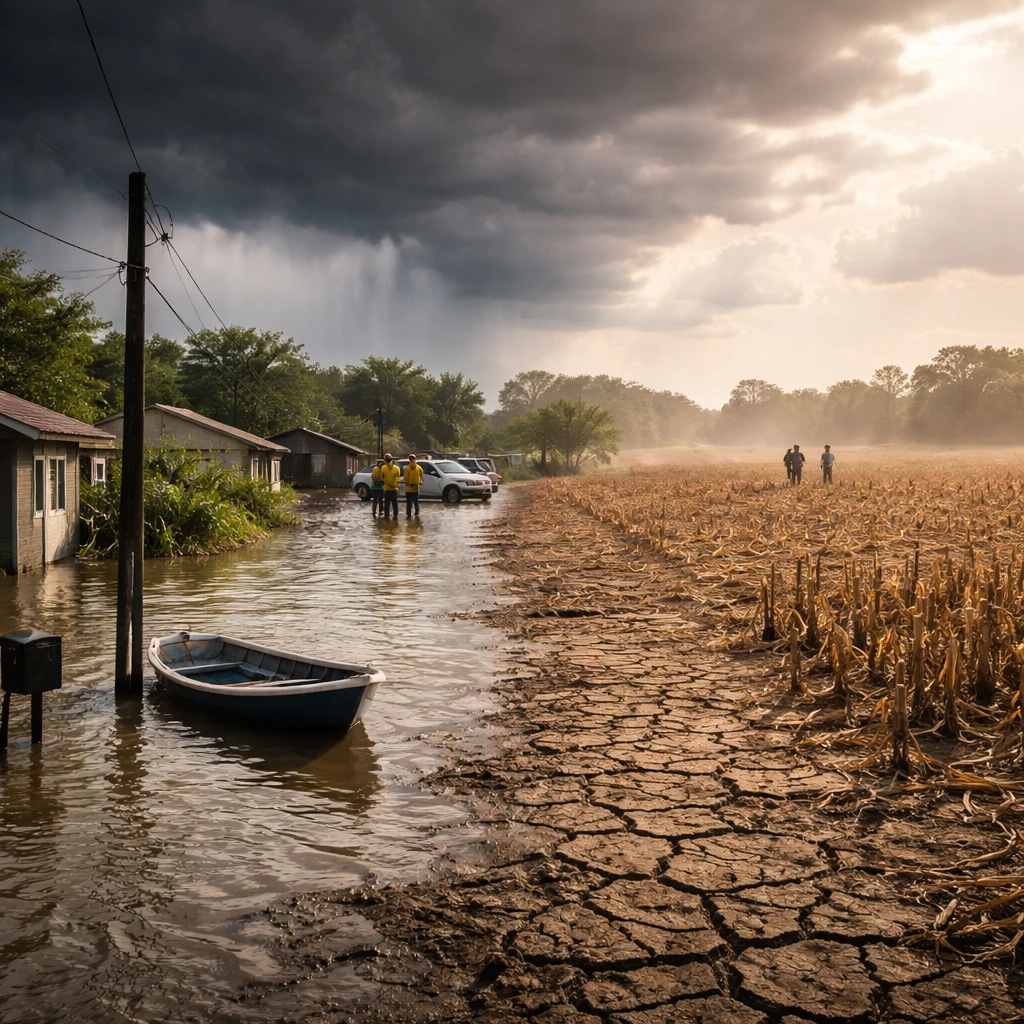
S&P Global does not currently see El Niño alone as a trigger for sovereign credit downgrades, but the rating outlook hinges on two linked considerations: the scale of economic disruption caused by droughts or floods and the fiscal policy choices made afterwards.
Joydeep Mukherji, S&P's lead ratings analyst for Latin America, said the direct hit from temporary disruptions should be manageable for sovereign ratings if activity resumes within months. "If it’s a flooding or a drought that causes disruption in economic activity, you assume it’s going to pick up in six months, 12 months’ time," he said in an interview. "Ratings should be able to withstand that kind of stress, if that’s all that happens."
More consequential, Mukherji added, is the nature and scale of government interventions to relieve affected populations and businesses. A narrowly targeted, limited fiscal response to support households and firms is one possible path. But broader, more expensive measures - such as controls on electricity or fuel prices - could materially increase budgetary pressures and alter the credit picture. "Then suddenly you have a fiscal problem on the side, not just the disruption caused by natural events," he said.
The choices facing governments generally reduce to two alternatives: allow a portion of the economic cost to be borne by households and businesses, or assume a larger share through higher public spending, wider deficits and increased borrowing. That trade-off will influence sovereign balance sheets and, in turn, rating assessments.
Mukherji also noted differences in policy flexibility across countries. Economies with their own exchange rates may be better placed to absorb weather-driven shocks, with Colombia and Peru cited as examples where the economic impact could be sizable. By contrast, dollarized economies such as Ecuador have fewer monetary policy tools to restore competitiveness after a shock.
At present, S&P does not expect El Niño to lead to widespread negative rating actions. However, Mukherji stressed that the degree and breadth of El Niño remain uncertain, and that outcome risks will depend on both the physical severity of events and the fiscal responses they prompt.
Context note: Uncertainty remains over the ultimate scale of El Niño and the policy reactions that governments may undertake in response.