
Commodities July 2, 2026 10:04 PM

Oil edges higher as cautious optimism over Middle East talks supports markets ahead of US holiday

Modest price gains follow reports of resumed flows through Strait of Hormuz and higher Kuwaiti output amid an interim U.S.-Iran agreement

By Jordan Park
Share
Twitter Reddit Facebook LinkedIn

Global crude benchmarks rose marginally on Friday as traders entered a long U.S. holiday weekend with guarded optimism over peace efforts between the United States and Iran. Gains were small after the previous session's lows and amid signs that some producers and tanker movements are increasing supply from the Gulf.

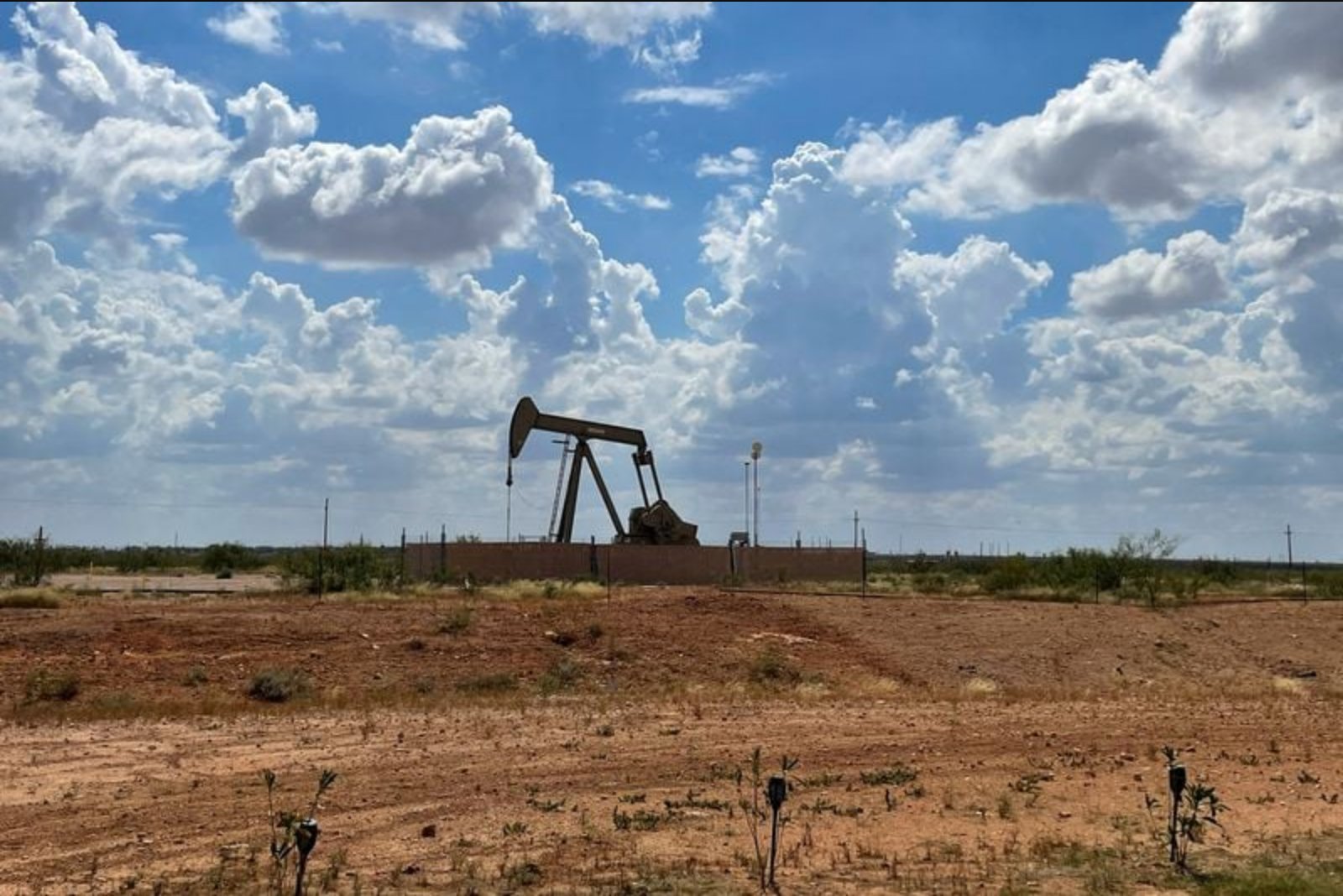
Oil edges higher as cautious optimism over Middle East talks supports markets ahead of US holiday
Summarize with
ChatGPT Perplexity Claude Grok Gemini

Key Points

  • Brent rose 17 cents to $72.10 a barrel and WTI rose 14 cents to $68.83 a barrel as of 0155 GMT ahead of the U.S. Independence Day holiday; weekly moves were minimal (Brent -0.02%, WTI +0.12%).
  • Reports indicated increased activity in the Strait of Hormuz and a sharp rise in Kuwait's production to 1.65 million bpd in June from 580,000 bpd in May, following the U.S.-Iran interim peace agreement, affecting oil supply dynamics and exporter revenues.
  • At least five supertankers carrying a total of 10 million barrels of Saudi oil have exited the Strait of Hormuz, and Saudi Aramco has shifted to spot pricing to accelerate sales in Asia, with implications for shipping, refining and Asian fuel buyers.

Oil posted slight gains on Friday as markets approached a long U.S. holiday weekend, with traders cautiously optimistic that diplomatic efforts between the United States and Iran will hold.

Price moves - As of 0155 GMT, Brent futures were trading 17 cents higher, or 0.24%, at $72.10 a barrel, while West Texas Intermediate (WTI) rose 14 cents, or 0.20%, to $68.83 a barrel. U.S. markets will be closed on Friday ahead of the U.S. Independence Day holiday on Saturday.

Those modest upticks came after the two crude benchmarks reached their lowest levels in the prior session since before the U.S.-Israeli war on Iran began in late February. For the week, Brent was down 0.02% and WTI was up 0.12% - the smallest weekly moves for both benchmarks in months.

Market participants described the tone as cautious. "It’s a case of guarded optimism, with the market wanting to believe the peace efforts will hold, but it’s still hedging its bets until it sees real evidence on the water," said Tim Waterer, chief market analyst at KCM Trade.

Supply signals from the Gulf - There are early signs that oil flows and production in the Gulf are beginning to pick up. Some countries are working to increase output in step with the reopening of the Strait of Hormuz - a waterway that, prior to the beginning of the war, carried one-fifth of the world’s daily supply of oil and liquefied natural gas.

Kuwait increased its oil production sharply, rising to 1.65 million barrels per day in June from 580,000 bpd in May, a source familiar with the matter said on Thursday. The OPEC member expanded exports following the U.S.-Iran interim peace agreement.

Additional shipping movements were also reported: at least five supertankers carrying a total of 10 million barrels of Saudi oil have exited the Strait of Hormuz, with Saudi Aramco switching to spot pricing to speed sales in Asia, according to trade sources and shipping data.

Market context - The combination of thin holiday liquidity and markets waiting for concrete confirmation of sustained calm in the region left traders taking a measured approach. Price changes were modest and weekly volatility was unusually low compared with previous months.


Bottom line: Crude prices moved up slightly on cautious hopes that diplomatic progress in the Middle East could restore flows through critical shipping lanes and allow Gulf producers to lift exports, but markets remain attentive to tangible signs that such improvements are durable.

Risks

  • Peace efforts remain unproven in practice - markets are hedging bets until there is clear, sustained evidence of calmer conditions on the water, posing upside volatility risk for oil prices (impacts oil trading, shipping insurers, and energy markets).
  • Reopening of maritime routes and production increases may be uneven - uncertainty around sustained flows through the Strait of Hormuz could lead to supply disruptions or rapid price swings (impacts exporters, refiners, and logistics providers).
  • Thin holiday liquidity in U.S. markets may amplify price moves - limited trading ahead of the U.S. Independence Day holiday could increase short-term volatility and reduce market depth (impacts traders and derivatives markets).

More from Commodities

Oil drifts lower as supply outlook brightens and geopolitical premium ebbs Jul 2, 2026 Gold Holds Ground After Softer U.S. Payrolls; Weekly Gain in Sight Jul 2, 2026 Appeals Court Upholds South Coast Zero-Emissions Appliance Rule Jul 2, 2026 Australia Flags Risk of Lower Iron Ore Benchmarks as Chinese Buyer Increases Market Activity Jul 2, 2026 Kuwait Restores Crude Output to 1.65 Million bpd in June Jul 2, 2026