
Commodities July 3, 2026 03:36 PM

Intense Heat Disrupts July 4 Celebrations Across Central and Eastern U.S.

Record heat prompts widespread cancellations and safety warnings as nation marks its 250th birthday

By Jordan Park
Share
Twitter Reddit Facebook LinkedIn

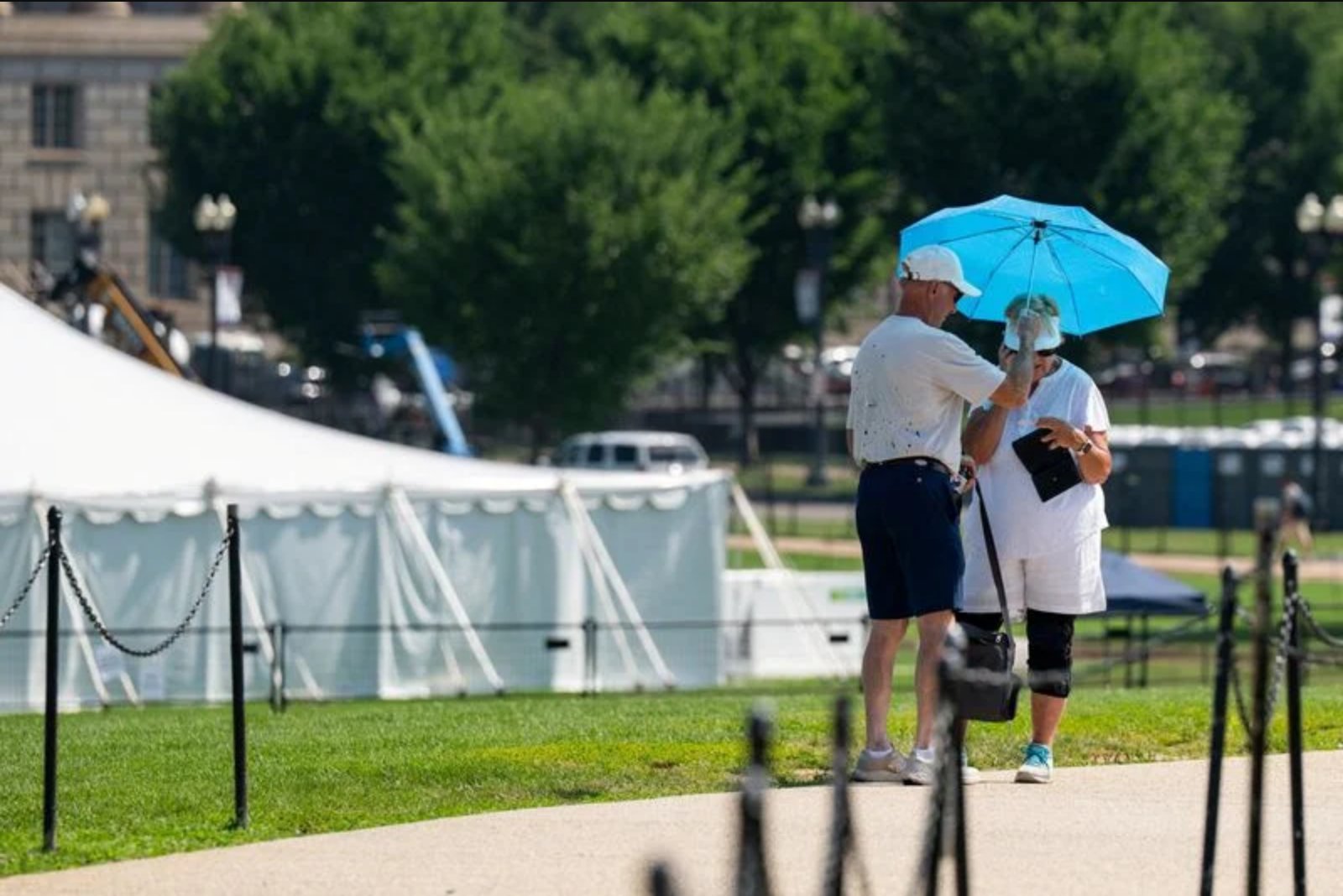
A severe heat wave forced cancellations and postponements of dozens of public Independence Day events across much of the central and eastern United States, including a temporary closure of the Great American State Fair on the National Mall in Washington. Authorities issued broad heat alerts and urged caution as temperatures and heat indices climbed to dangerous levels.

Intense Heat Disrupts July 4 Celebrations Across Central and Eastern U.S.
Summarize with
ChatGPT Perplexity Claude Grok Gemini

Key Points

  • A severe heat wave caused the cancellation or postponement of dozens of Fourth of July parades, concerts and fireworks across the central and eastern U.S., disrupting national 250th birthday observances.
  • The Great American State Fair on the National Mall in Washington - a centerpiece of President Donald Trumps 250th birthday events - temporarily closed in the afternoon as temperatures hit 101 F (38 C) and planned limited reopening with cooling measures.
  • More than 185 million people were under heat alerts, with heat indices possibly reaching 115 F (46 C); public warnings urged hydration, shade and vigilance for heat illness, affecting events, public safety and outdoor entertainment sectors.

A powerful heat wave unsettled Fourth of July festivities across large swaths of the central and eastern United States on Friday, prompting officials to cancel or delay dozens of parades, concerts and fireworks displays as the country observed its 250th anniversary.

Among the events affected was the Great American State Fair on the National Mall in Washington - a focal point of President Donald Trump's efforts to mark the nation's 250th birthday. Organizers temporarily closed the fair on Friday afternoon when temperatures reached 101 degrees Fahrenheit (38 degrees Celsius). They said the fair was expected to reopen at 5 p.m., weather permitting, and that operations would include adjustments such as cooling tents and misting stations to protect attendees.

Forecasters said record-breaking heat that began in the Midwest earlier in the week had spread eastward. The National Weather Service reported that over 185 million people were under heat alerts on Friday, and that peak heat indices could reach as high as 115 degrees Fahrenheit (46 degrees Celsius) in many locations. Officials and meteorologists warned the heat wave could be fatal and urged people celebrating outdoors to stay hydrated, seek shade and monitor for symptoms of heat-related illness.

Event cancellations and postponements were recorded in at least seven states. Notable disruptions included the cancellation of a major Independence Day parade in Philadelphia and the calling off of events in Maryland's Takoma Park and in Loudoun County, Virginia. Local authorities cited the extreme temperatures and public safety risks as the reasons for the decisions.

The combination of widespread heat alerts and concrete public-safety measures highlighted the challenge that intense, sustained heat posed to large public gatherings on a national holiday. Organizers that remained open announced mitigations aimed at reducing heat exposure, while officials continued to advise caution for anyone outdoors for prolonged periods.


Context and next steps

Officials said that reopening plans for temporarily suspended events would depend on evolving weather conditions. Where events proceeded, organizers planned to deploy cooling infrastructure and encourage preventative health measures among attendees.

Risks

  • Direct health risk to attendees and the broader public, as officials warned the heat wave could be deadly and advised monitoring for signs of heat illness - a concern for public health and emergency services.
  • Operational uncertainty for event organizers, illustrated by temporary closures and weather-dependent reopening plans, which can disrupt revenue and logistics for the events and hospitality sectors.
  • Widespread cancellations across multiple states create short-term demand shocks for local businesses dependent on holiday crowds, including tourism, live entertainment and food service.

More from Commodities

PJM Issues Federal Alert as Outages, Line Congestion and Heat Drive Emergency Measures Jul 3, 2026 Keiko Fujimori Confirmed as Peru’s President in Narrow, Contentious Result Jul 3, 2026 Holiday Travel Intact as U.S. Drivers Face High Pump Prices Jul 3, 2026 Gulf crude shipments surge in June as UAE leads rebound through Hormuz Jul 3, 2026 Tehran Enters Talks with Japanese Buyers as They Press for Longer U.S. Sanctions Waiver and Shipping Guarantees Jul 3, 2026