
World May 4, 2026 03:00 AM

Rutte says European allies have responded to U.S. pressure on base access and Gulf support

NATO secretary-general says partners are implementing basing agreements and moving maritime assets closer to the Gulf

By Ajmal Hussain
Rutte says European allies have responded to U.S. pressure on base access and Gulf support

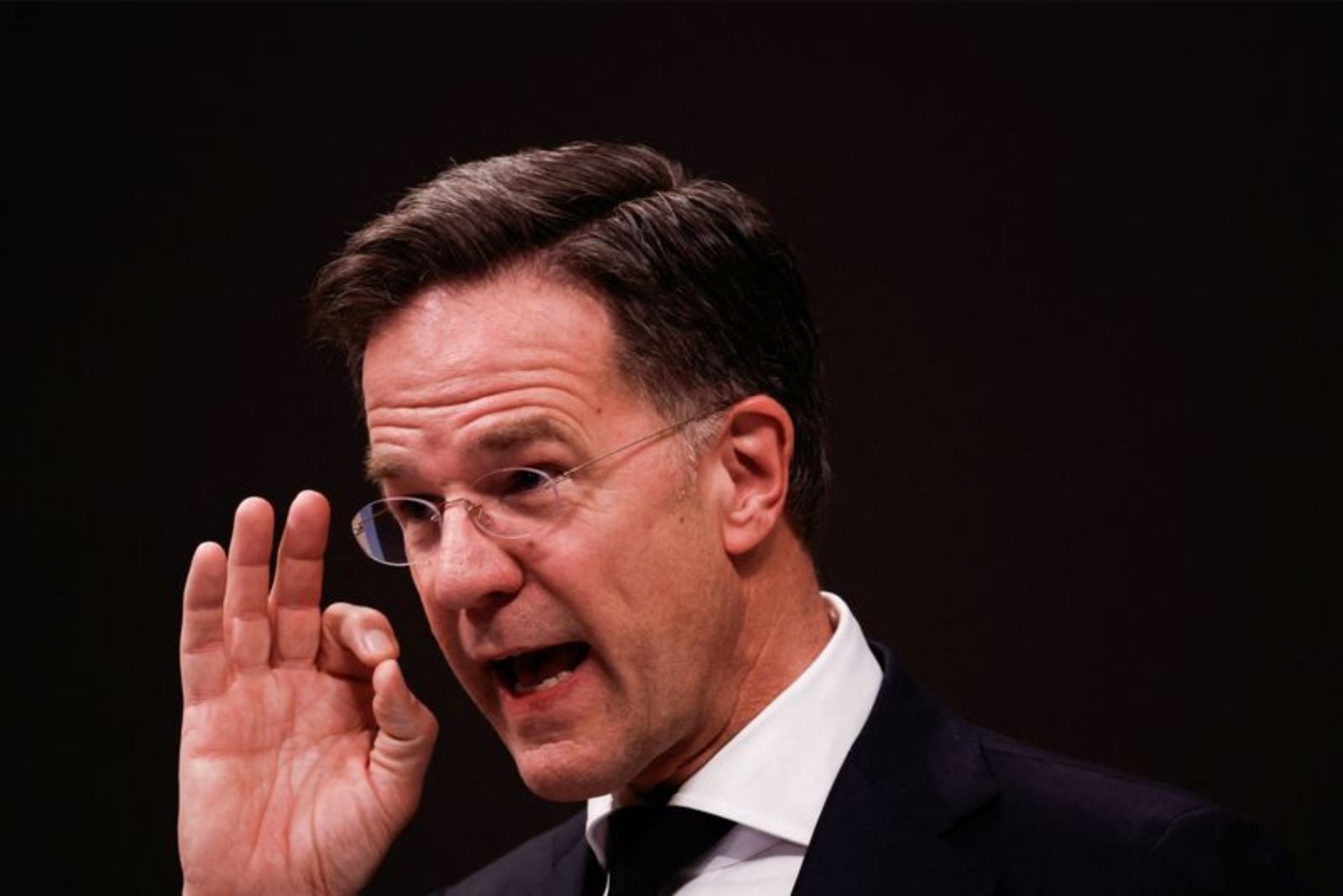
NATO Secretary General Mark Rutte said Europeans have "gotten the message" from U.S. President Donald Trump and are putting bilateral basing agreements into action. Speaking at a European Political Community summit in Armenia, Rutte said several NATO members are complying with requests for base use and logistical support, and more countries are pre-positioning minehunters and minesweepers near the Gulf.

Key Points

  • NATO Secretary General Mark Rutte said Europeans have "gotten the message" from U.S. President Donald Trump and are implementing bilateral basing agreements.
  • Several NATO members, including Montenegro, Croatia, Romania, Portugal, Greece, Italy, Britain, France and Germany, are providing requests for base use and logistical support; Spain said its bases cannot be used for the Iran war.
  • More European nations are pre-positioning minehunters and minesweepers near the Gulf and multiple countries have indicated willingness to join a mission to ensure freedom of navigation through the Strait of Hormuz after the war.

BRUSSELS, May 4 - NATO Secretary General Mark Rutte said on Monday that European allies have heeded pressure from U.S. President Donald Trump and are following through on agreements governing the use of military bases.

Trump has accused some NATO countries of not contributing sufficiently to U.S. efforts related to the Iran war. In a related move that underscored his frustration with European partners, the United States announced on Friday plans to withdraw 5,000 troops from Germany.

Addressing reporters at a European Political Community summit in Armenia, Rutte said that Europeans have listened to the concerns raised by Washington. He summarized the shift in tone and action this way:

"Yes, there has been some disappointment from the U.S. side, but Europeans have listened," Rutte said. "They are now making sure that all the bilateral basing agreements are being implemented."

Rutte noted that while Spain has publicly stated that military bases on its territory cannot be used for the war with Iran, other NATO members are complying with requests for basing and logistical help. He listed Montenegro, Croatia, Romania, Portugal, Greece, Italy, Britain, France and Germany as implementing requests for the use of bases and other logistical support.

Beyond base access, Rutte said that "more and more" European nations are positioning assets such as minehunters and minesweepers closer to the Gulf in anticipation of what he described as a possible "next phase."

Multiple European countries have also expressed willingness to participate in a mission to help ensure freedom of navigation through the Strait of Hormuz once the war is over, Rutte added.


Context and implications

Rutte's comments indicate a notable response by a group of NATO members to U.S. criticism, focused on practical implementation of existing bilateral agreements and the pre-positioning of naval assets to protect maritime routes. The statements reflect ongoing coordination between the United States and a subset of European allies on logistics and naval preparations tied to developments in and around the Gulf.

What remains uncertain

The article reflects public positions and reported deployments but does not provide details on timelines, the scale of pre-positioned assets, or the operational plans governing future missions in the Strait of Hormuz.

Risks

  • Diplomatic friction: U.S. disappointment with some NATO allies and announced troop withdrawals from Germany create uncertainty in transatlantic defense arrangements - impacts defense and geopolitical risk premiums.
  • Operational ambiguity: The article does not specify timelines, force levels, or operational plans for pre-positioned assets and future missions, leaving defense spending and naval logistics planning uncertain - impacts defense contractors and maritime security sectors.
  • Base access limits: Spain's refusal to allow use of bases for the Iran war highlights uneven participation among allies, which may affect logistics and force projection - impacts military logistics and regional port operations.

More from World

Pakistan to Receive 22 Evacuated Crew from Seized Iranian Vessel as Confidence-Building Step May 4, 2026 Germany Says U.S. Troop Pullback Should Spur Europe to Shoulder More Defence Burden May 4, 2026 Australia Opens Public Hearings on Bondi Mass Shooting and Surge in Antisemitism May 3, 2026 Taiwan’s President Touches Down in Eswatini After Earlier Trip Was Halted by Airspace Denials May 3, 2026 Narges Mohammadi’s Condition Worsens; Nobel Committee Urges Iranian Authorities to Allow Specialist Care May 3, 2026