
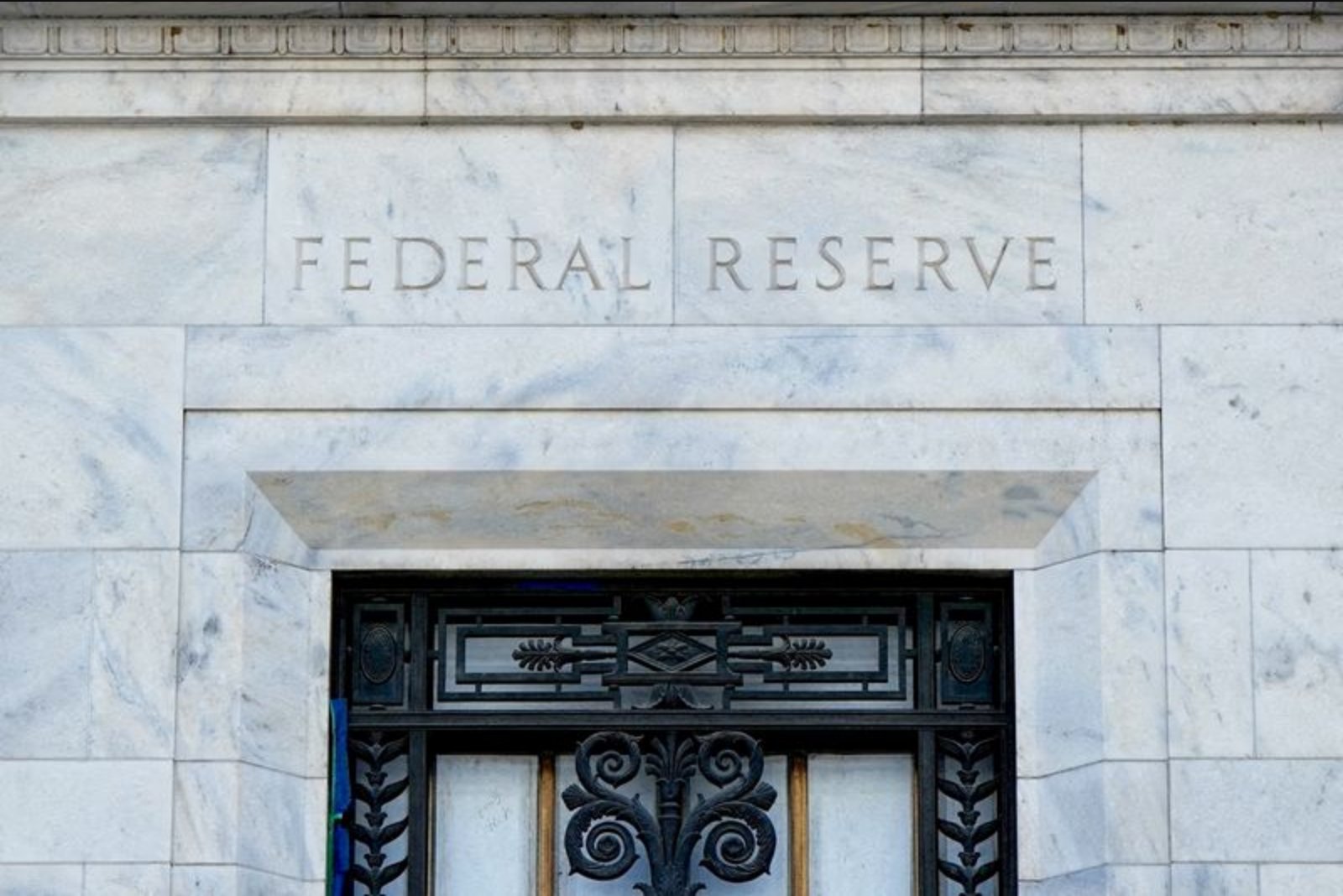
May 4 - Barclays said on Monday that it no longer expects the U.S. Federal Reserve to begin cutting interest rates in 2026, reversing a prior forecast that had placed a 25-basis-point reduction in September 2026. The British brokerage said it still expects a quarter-point cut in March 2027.
The decision places Barclays among a growing number of global brokerages that have moved away from earlier-year projections of multiple rate cuts in 2026. Firms have increasingly split between forecasts that anticipate some easing and those that see no reductions at all in the coming year, a divergence the bank attributes largely to inflation risks tied to the ongoing Middle East conflict.
Last week, the Federal Reserve left interest rates unchanged in what was described as its most divided decision since 1992. The Fed's hold came amid mounting concerns that higher energy prices are filtering through the economy and keeping inflation well above the central bank's 2% target.
Barclays' analysts highlighted the role of oil in their reassessment. In a note, they said: "We expect the higher and more prolonged oil price trajectory to boost both headline and core PCE inflation measures, and to weigh somewhat on growth." The analysts added a conditional caveat: "Conversely, if the unemployment rate were to rise suddenly...we would expect the FOMC to cut more rapidly and aggressively."
The brokerage also flagged distributional effects from elevated energy costs. Higher energy prices, Barclays said, will restrain consumer spending, but that drag is likely to be partially offset by stronger business investment. The firm expects that investment boost to come from increased energy exploration activity and spending related to artificial intelligence.
Market-implied probabilities reinforce the shift in expectations. Traders are pricing in roughly a 78.7% chance that the Federal Reserve will make no change to interest rates by the end of the year, according to the CME FedWatch tool.
As brokerages revise their outlooks, the interplay between sustained oil prices, inflation readings such as the personal consumption expenditures (PCE) measures, and labor market dynamics will be central to how quickly policymakers pivot. Barclays' updated view underlines how commodity-driven inflation risks linked to the Iran war are shaping macro forecasts and market positioning.
Clear summary
Barclays has withdrawn its forecast for a 25-basis-point cut in September 2026 and now expects no rate cuts in 2026, while keeping a projected quarter-point reduction in March 2027. The bank attributes the change to sustained higher oil prices tied to the Iran war, which it expects will lift headline and core PCE inflation and weigh on growth, even as stronger business investment may partly offset weaker consumer spending.
Key points
- Barclays now forecasts no U.S. Fed rate cuts in 2026; it previously expected a 25-basis-point cut in September 2026 and still expects a 25-basis-point cut in March 2027.
- Higher and prolonged oil prices linked to the Iran war are expected to boost both headline and core PCE inflation measures, influencing policy caution.
- Elevated energy costs are likely to reduce consumer spending but could be partially offset by stronger business investment, including energy exploration and AI-related expenditures.
Risks and uncertainties
- Persistently higher oil prices could keep inflation above the Fed's 2% target, delaying policy easing - this mainly affects inflation-sensitive sectors and fixed-income markets.
- A sudden rise in the unemployment rate would alter the outlook and could prompt faster and larger Fed cuts than currently expected - this would significantly impact labor-sensitive sectors and interest-rate sensitive assets.
- Energy-driven headwinds to consumer spending may weigh on overall economic growth even as investment in energy exploration and AI supports capital expenditures - this mix creates uneven sectoral effects across consumer discretionary, energy, and technology.
Tags: rates, inflation, energy, oil, Fed