
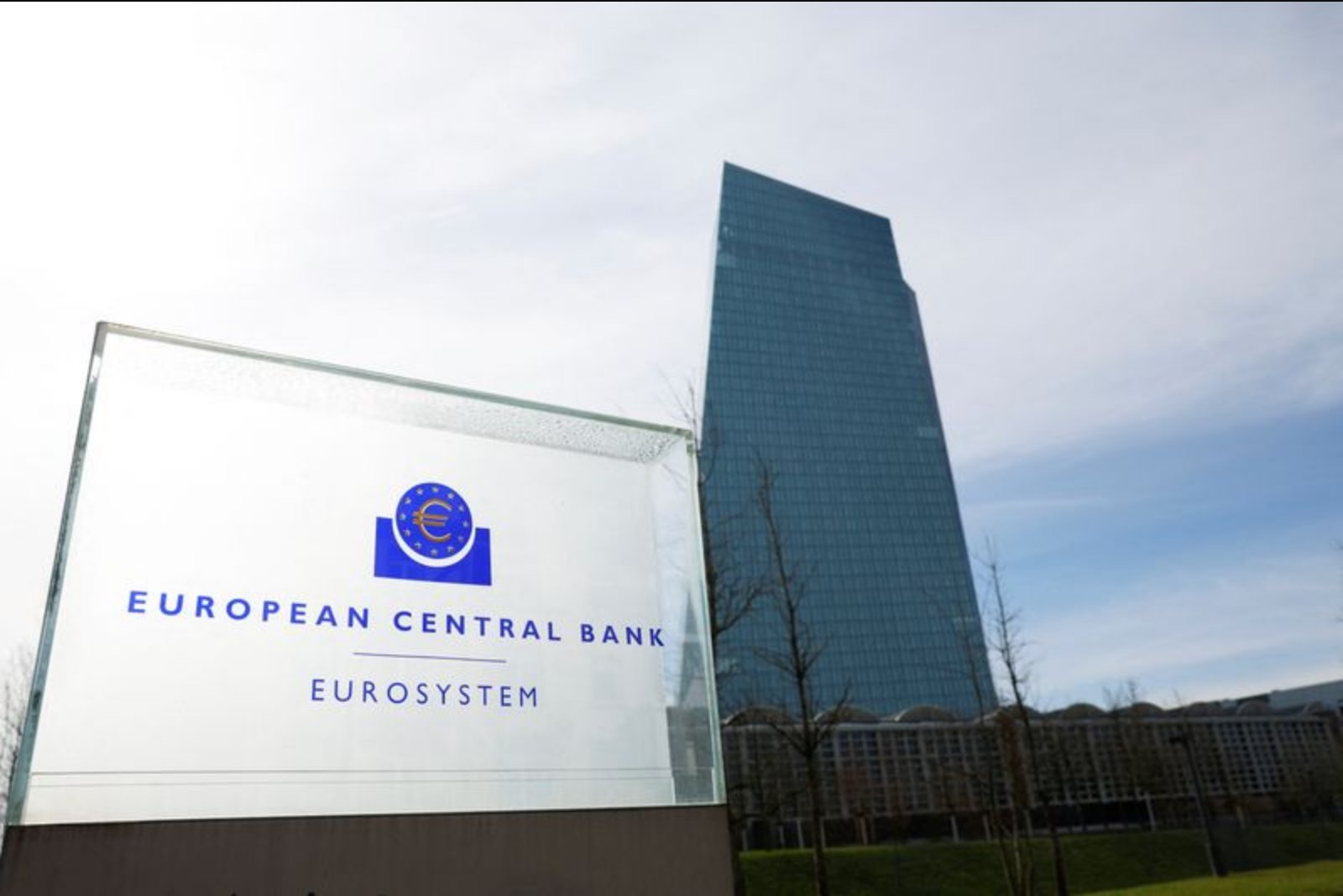
FRANKFURT, May 4 - Peter Kazimir, the Slovak member of the European Central Bank's Governing Council, said on Monday that a rate increase in June is "all but inevitable" as rising energy costs work their way into the broader economy and conflict-related developments in Iran have not improved.
Kazimir noted that the ECB left interest rates unchanged on Thursday but has begun preparing the ground for hikes as soon as June because recent inflation trajectories are edging toward the "adverse" scenario embedded in the bank's projections. "We are not committed to any fixed path, but we remain firm in our approach," he wrote. "On this basis, policy tightening in June is all but inevitable."
He added that the possibility of a June move has been part of the ECB's baseline since March and that recent events "have, sadly, not surprised us in a positive way." Those comments follow similar warnings from other policymakers who have flagged a higher probability of sustained inflation and elevated interest rates.
Financial markets have reacted by pricing in a series of ECB rate increases, with traders expecting three hikes overall and the first move fully priced in by July, followed by further steps into the autumn. The broader implication is that monetary conditions may tighten over coming months unless inflation pressures ease.
Kazimir emphasized the ECB's limited ability to counter an energy price shock directly, but stressed the bank must act if the shock produces second-round effects that could trigger a self-sustaining price spiral. "We must understand the broader impact of higher energy prices," he said. "They are bound to spread to the rest of the economy."
He also warned that the same inflation shock is likely to weigh on economic growth because the euro zone is a large energy importer and higher oil costs will compress profit margins. "It is becoming increasingly likely that we must prepare for a prolonged period of broad-based price increases coupled with visibly weaker growth across the euro zone," Kazimir wrote.
The policymaker's remarks underscore the tension facing the ECB: limited direct control over energy-driven shocks, but a mandate to prevent those shocks from translating into persistent inflation. For markets and corporates, the combination of higher borrowing costs and margin pressure from energy inputs presents clear challenges.
Key points
- Peter Kazimir says a June ECB rate hike is "all but inevitable" as energy costs spread through the economy - impacts monetary policy and financial markets.
- Markets expect three ECB hikes, with the first fully priced by July and more likely in autumn - affects bond yields and banking sectors.
- Higher energy prices are likely to reduce profit margins and slow growth across the euro zone - significant for energy-intensive industries and corporate earnings.
Risks and uncertainties
- Persistence of energy-driven inflation could force the ECB into multiple rate increases - risk to fixed-income markets and borrowers.
- Inflation shock may translate into weaker economic growth in the euro zone because the bloc imports energy and higher oil costs hit margins - risk to corporate profits and economic activity.
- Potential second-round effects from energy prices could create a self-sustaining price spiral, prompting tighter policy - uncertainty for market liquidity and investment plans.