
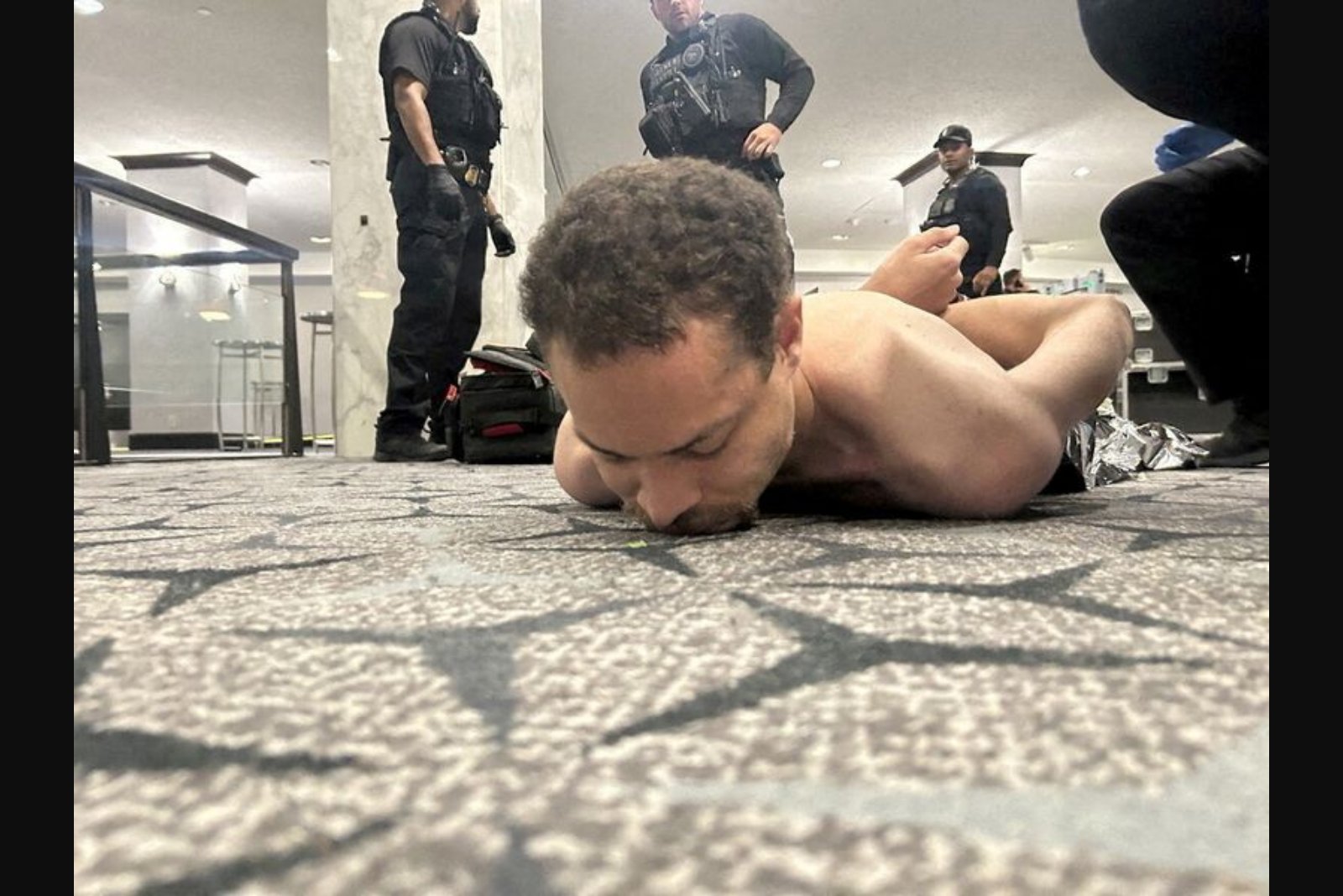
BOSTON, May 2 - Legal counsel for Cole Tomas Allen filed a motion in U.S. District Court for the District of Columbia on Saturday seeking the elimination of suicide-prevention measures applied to him while he remains detained in a Washington jail. Allen stands accused of opening fire outside the White House Correspondents' Dinner on April 25.
The filing says Allen was initially booked into the facility on April 27 and placed in what his attorneys describe as a "safe cell" - a padded room governed by round-the-clock lockdown procedures and requiring him to wear "a vest akin to a strait jacket." His status was later changed to "suicide precautions," the filing states.
Under the suicide-precautions designation, the filing explains, Allen faced continued restrictions: he was not permitted to make telephone calls, could not receive visitors other than members of his legal team, and was only allowed outside his cell for brief, escorted periods tied to legal visits or showers. A nurse at the facility advised on Friday that those precautions should be lifted, but Allen remained under them at the time one of his public defenders visited that day, according to the court record.
In the court filing, Allen's attorneys contend that his current confinement conditions "amount to punishment" and that the restrictions deny him access to certain resources. The filing specifically cites denial of access to a jail-issued tablet that would allow him to communicate with loved ones beyond the jail walls.
Allen faces federal counts including attempted assassination, discharging a firearm during a crime of violence, and illegally transporting firearms and ammunition across state lines. He has not entered a plea in the case.
Summary
Defense lawyers argue that suicide-prevention measures imposed on Allen since his April 27 booking are punitive and limit his communication and access to certain jail resources, despite a medical recommendation to end the precautions. Allen is charged in connection with a shooting outside the White House Correspondents' Dinner on April 25 and remains before the U.S. District Court in Washington.
Key points
- Allen was placed initially in a padded "safe cell" with continuous lockdown and a restraint-like vest, then moved to suicide precautions - affecting visitation, phone use and time outside the cell.
- A nurse recommended ending the suicide-precautions, but they remained in place during a public defender's visit the same day, per the court filing.
- Allen is charged with attempted assassination, discharging a firearm during a crime of violence, and transporting guns and ammunition across state lines; he has not entered a plea.
Risks and uncertainties
- Legal uncertainty over Allen's confinement status could prompt additional court disputes - affecting the pace of pretrial proceedings (impacts: legal and corrections sectors).
- Restrictions on communication and access to jail technology raise concerns about detainee rights and could influence defense preparation - relevant to legal services and correctional management.
- Medical and administrative judgments about suicide precautions may remain contested between jail staff and defense counsel, leaving the immediate conditions of detention unclear (impacts: corrections and health services within detention facilities).