
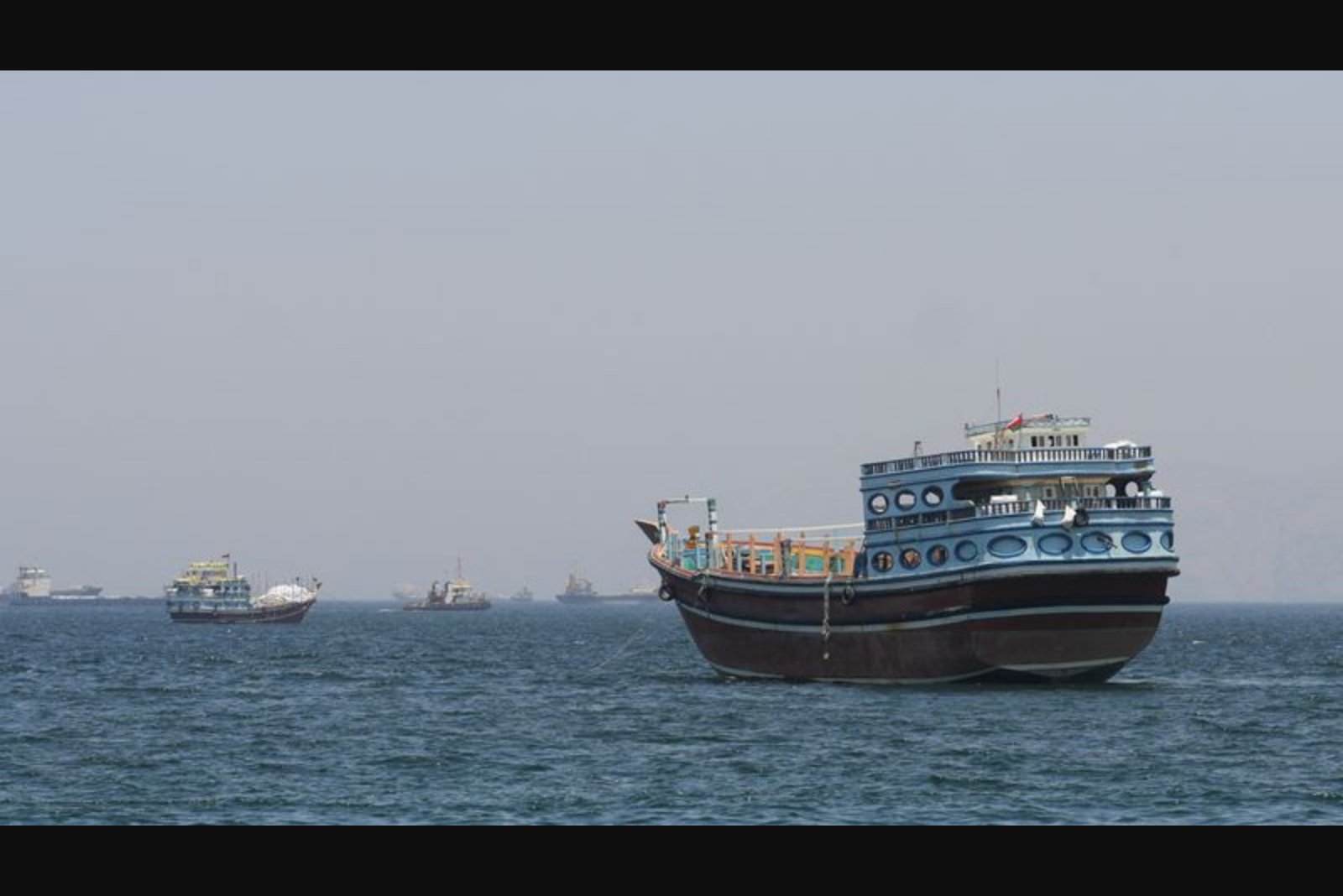
Vessel traffic through the Strait of Hormuz remained largely halted on Monday, with no visible increase in commercial transits a day after U.S. authorities announced steps to help reopen passage, maritime tracking and industry groups reported.
MarineTraffic data showed just one tanker - described as a sanctioned, handy-sized LPG carrier - together with several cargo ships and a cable-laying vessel, moved into the Gulf of Oman on Monday. Observers noted there were no tankers or other commercial vessels queuing to enter the waterway.
German shipping group Hapag-Lloyd said its vessels still could not transit the strait because of "a lack of clarity over secure passage procedures." The shipping industry, it said, had received no guidance about the U.S. operation or its intent, and the overall security situation remained unchanged.
The U.S. Central Command (CENTCOM) announced it would begin assisting efforts to restore freedom of navigation through the strait on Monday while continuing a naval blockade of Iranian ports that was imposed on April 13. CENTCOM described the U.S. missions as "defensive," saying they would be paired with diplomatic engagement and military coordination.
The U.S.-led Joint Maritime Information Center (JMIC) said the maritime security threat level in the strait remained "critical," and it advised mariners to consider routing via Omani territorial waters south of the traffic separation scheme.
Industry bodies cautioned that restoring safe commercial movement would depend on Iran's cooperation. Jakob Larsen, chief safety and security officer at the Baltic and International Maritime Council (BIMCO), which issues security alerts for the sector, said:
"Without consent from Iran to let commercial ships transit safely through the Strait of Hormuz, it is currently not clear whether the Iranian threat to ships can be degraded or suppressed."
BIMCO also noted that the shipping industry had received no operational guidance about the U.S. action. The International Maritime Organization reported that hundreds of commercial vessels and up to 20,000 seafarers have been unable to transit the waterway as a result of the Iran war.
Iran warned the U.S. Navy to stay away from the Strait of Hormuz and said commercial vessels would need to coordinate any passage with its military. It also issued a map outlining what it described as its control area in the region.
Separately, Pakistan said all 22 crew members of the Iranian-flagged container ship Touska - which was boarded and seized by U.S. forces last month - had been evacuated to Pakistan and would be returned home. Pakistan's foreign ministry said the vessel will be returned to its owners after repairs and called the move a "confidence-building measure."
Industry and maritime security observers said uncertainty over secure passage procedures and a lack of operational guidance for commercial operators were keeping most shipping at a standstill despite the stated U.S. intent to restore navigation.
Implications for markets and sectors
The ongoing restrictions on transits and the U.S. blockade have already contributed to a reduction in Tehran's oil exports, and the constrained movement through the strait poses continued disruption risks for shipping, energy flows and maritime services.