
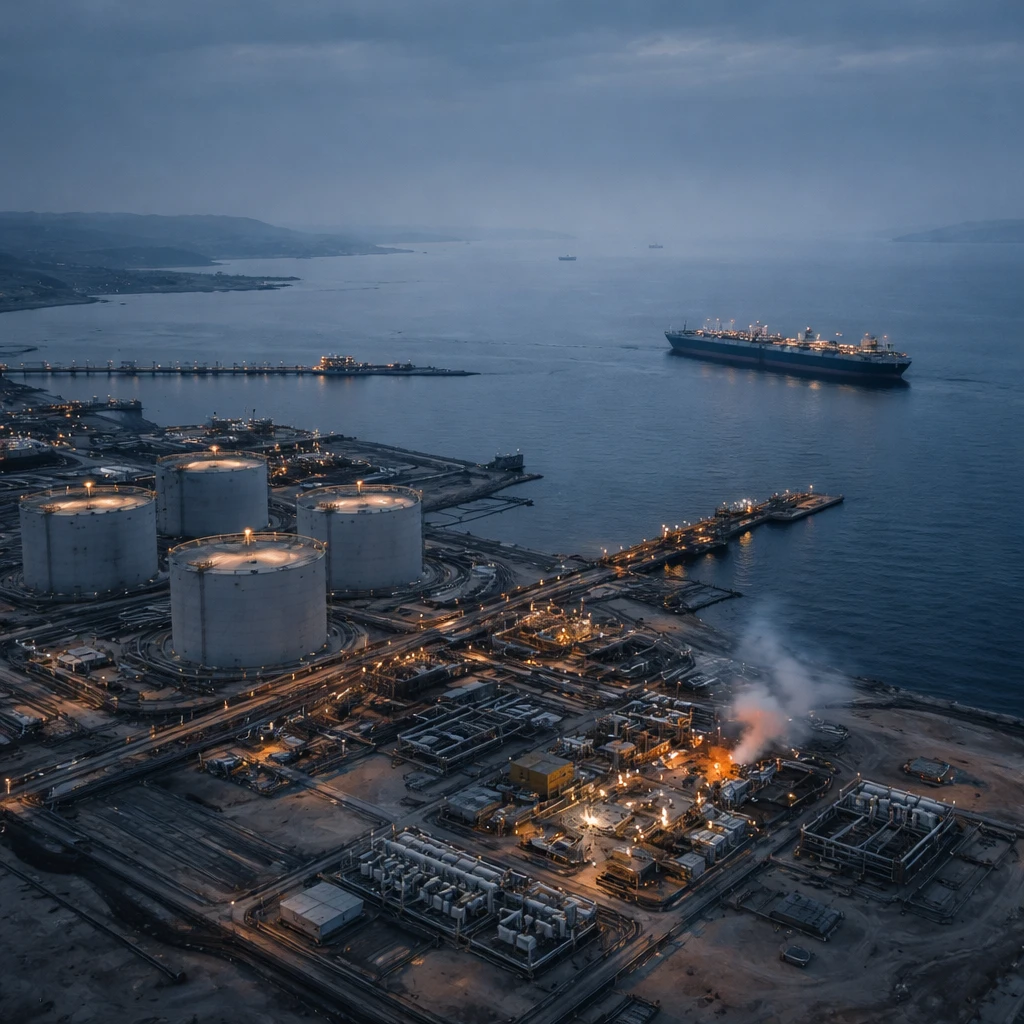
QatarEnergy has extended a force majeure covering its liquefied natural gas (LNG) supply through mid-June as tanker movements remain severely restricted in the Strait of Hormuz, a report published on Monday said.
Customers of the state producer were sent the notice, according to people familiar with the matter who asked not to be identified because they were not authorized to speak publicly. The notification continues a pattern of similar communications from the company since late February.
Force majeure is a contractual provision invoked when extraordinary circumstances prevent a company from meeting its commercial obligations. In this instance, QatarEnergy has issued regular force majeure notices since the Iran war began in late February, citing impediments to normal operations and deliveries.
Market consequences have been apparent: global gas prices in Europe and Asia have risen since the conflict started, with nearly one fifth of LNG supplies reported disrupted. The disruptions include shipments out of both Qatar and the United Arab Emirates, constraining seaborne supply at a time when routes through the Strait of Hormuz are largely closed to tanker traffic.
The situation for Qatar’s export infrastructure has also been affected. Qatar’s Ras Laffan facility sustained damage from Iranian missile strikes in March, a development that has been cited alongside shipping constraints as contributing to the broader interruption to LNG flows.
The latest extension through mid-June maintains an exceptional operating posture for one of the world’s largest LNG exporters and preserves the company’s contractual relief while the factors disrupting maritime transit and facility operations remain unresolved.
Context and implications
- QatarEnergy has continued to notify customers with force majeure declarations since late February.
- Nearly 20 percent of global LNG supplies have been disrupted, affecting markets in Europe and Asia.
- Damage to the Ras Laffan facility in March and restricted tanker access through the Strait of Hormuz are cited as contributors to the supply interruption.