
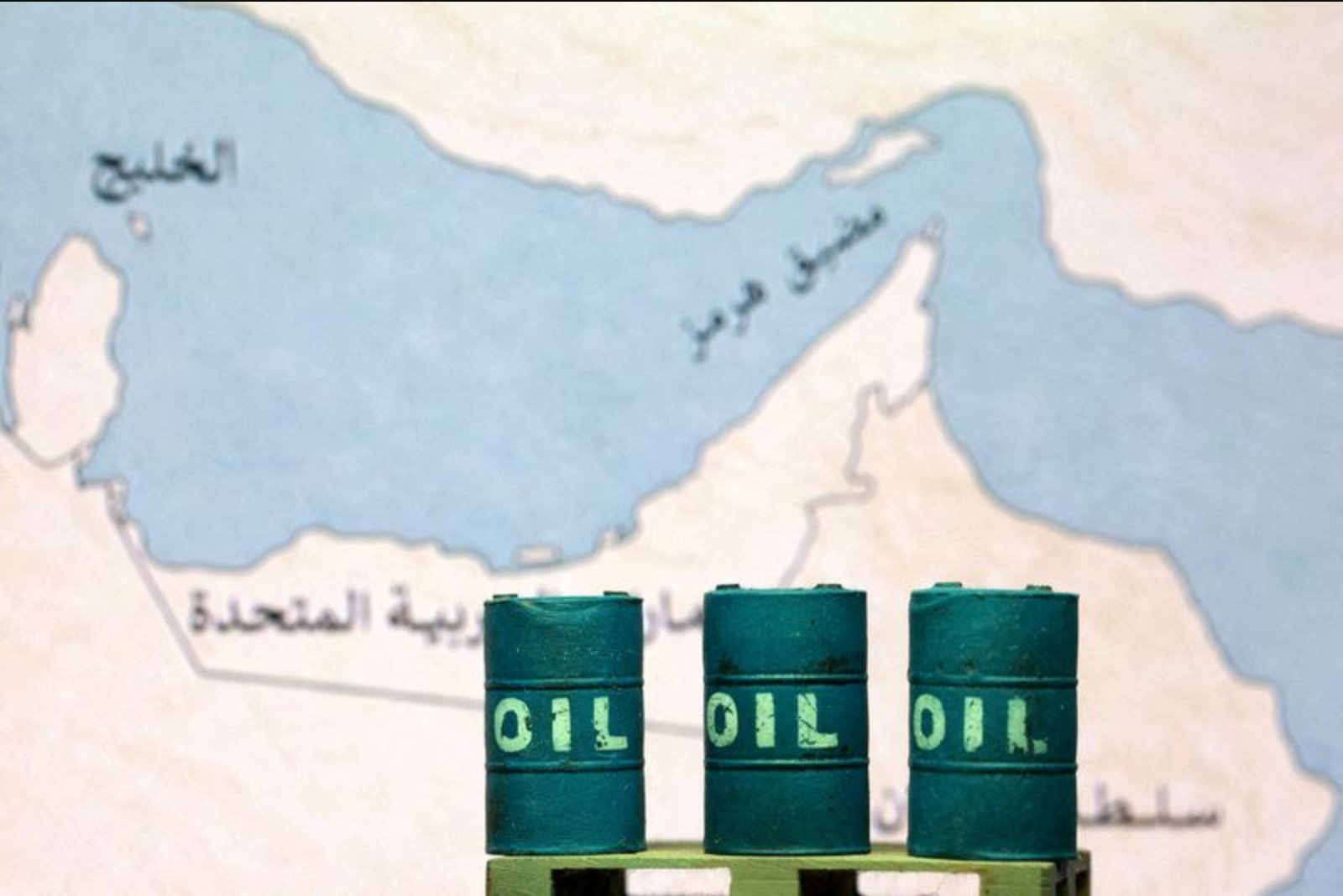
Global investor confidence, fuelled by a surge in artificial intelligence-related stocks and solid corporate profits, has left many portfolios exposed to a sharp move in physical oil markets. While headline equity indices have climbed to record levels, the market where actual barrels change hands is showing much more severe stress.
Equity strength is unmistakable: the S&P 500 hit fresh record highs on Thursday, supported by gains among hyperscalers, semiconductor manufacturers and software companies. Growth and employment indicators remain broadly steady, and central banks appear reluctant to promptly tighten policy despite geopolitical tensions.
Physical oil versus futures - a widening gap
Prices in the physical crude and refined product markets are markedly higher than futures contracts. Physical barrels such as North Sea Forties, Angolan Cabinda or Norwegian Troll are trading around $130 per barrel - roughly 70% above February levels. By contrast, Brent crude futures are trading nearer $110 a barrel, about 50% higher than the end of February. Brent for delivery in 12 months sits above $80 a barrel, some 20% higher than late-February levels.
As Tamas Varga, an analyst at energy broker PVM Oil Associates, put it: "The physical markets reflect the reality on the ground and the futures market reflects more perceptions and hopes. One might say that physical markets are the true reflection of actually what’s happening around the Strait of Hormuz."
Strait of Hormuz disruptions and lost supply
The current Iran-related conflict has effectively disrupted traffic through the Strait of Hormuz, a chokepoint responsible for roughly 20% of global energy shipments. Large trading houses are already factoring in significant supply losses. Vitol, the world’s largest oil trader, estimates the market could lose as much as 1 billion barrels by the time supply conditions normalize. The head of the International Energy Agency, Fatih Birol, warned in April that oil prices do not currently reflect the situation and urged preparations for much higher prices.
How long is long enough to move inflation?
Market strategists note that the duration of any oil shock is critical for its macroeconomic effects. According to Frederique Carrier, head of investment strategy at RBC Wealth Management, a rule of thumb used by the firm’s chief economist is that an oil shock needs to persist for three to six months to exert a sustainable influence on inflation. "And we’re not quite there in that window - we (will be) soon," she said, while stating her firm was neutral on equities and favouring commodity-linked sectors such as shipping and warehousing.
Commodity traders are already stress-testing extreme scenarios. Jeff Webster, an executive at the global trading house Gunvor Group, disclosed that books are being modelled against prices between $200 and $300 a barrel.
Investor positioning and fixed income tactics
Some portfolio managers are reassessing exposure. Andrew Chorlton, chief investment officer for public fixed income at M&G, criticized what he sees as complacency. "The idea that it’s definitely going to be stagflation, or it’s going to be fine. That’s the bit that we’re finding a little bit surprising," he said, adding that "that seems a little complacent." Chorlton described adopting a more tactical stance in fixed income, paying closer attention to divergences across countries and government bond yield curves.
Consumer inflation expectations and market-based inflation measures have already shifted higher. Inflation swaps imply investors expect U.S. inflation around 3.53% in one year and approximately 2.75% in five years, both above the Federal Reserve’s 2% target; those measures were nearer 2.4% in February, LSEG data shows. Similar patterns are visible in the euro zone and the UK.
Portfolio adjustments and real assets
Asset allocators are balancing technology exposure with hedges. Nuveen global investment strategist Laura Cooper said her firm maintained AI technology positions for profitability but offset them with allocations to "dividend growers", infrastructure and real assets - including real estate and gold miners - to guard against elevated risk.
RBC’s Carrier highlighted a preference for commodity-linked investments, mentioning shipping and warehousing as potential beneficiaries of higher energy costs and disrupted supply chains.
Long-term themes and shifting policy risks
Even large disruptions eventually get priced in, supply chains adapt and volatility subsides, returning investor focus to long-term secular themes. Yet analysts warn the principal danger from the Iran crisis is its potential to alter those long-term narratives.
Paras Gupta, who manages discretionary portfolios for ultra-high-net-worth clients in Asia, cautioned that markets will not reveal a tipping point until they react to it. "You won’t know it’s a tipping point till the market reacts to it," he said. "We just have to wait and see and be nimble. Everybody has one finger on the trigger."
Political strategist Tina Fordham noted the broader implications. "This is about much more than when the war will be over, but rather about how the "Rupture" is playing out - shifting policy as well as public attitudes," she said, adding: "By the time geopolitical risks make landfall and hit financial markets, it is typically too late to mitigate them."
Where this leaves investors
Market optimism rooted in the AI cycle and resilient growth metrics coexists with clear signs of stress in the physical oil market. The widening gap between physical and futures prices, the bottleneck at the Strait of Hormuz and institutional stress tests suggest the window to brace for a sustained oil shock is narrowing. How long an elevated-price episode lasts will determine whether inflationary pressures become entrenched and how severely different sectors feel the pain.
For now, investors and traders are weighing the trade-off between upside in technology-led equities and the hedge benefits of commodity-linked assets, infrastructure and real assets - while closely monitoring physical market signals and geopolitical developments for signs that a broader repricing is under way.