
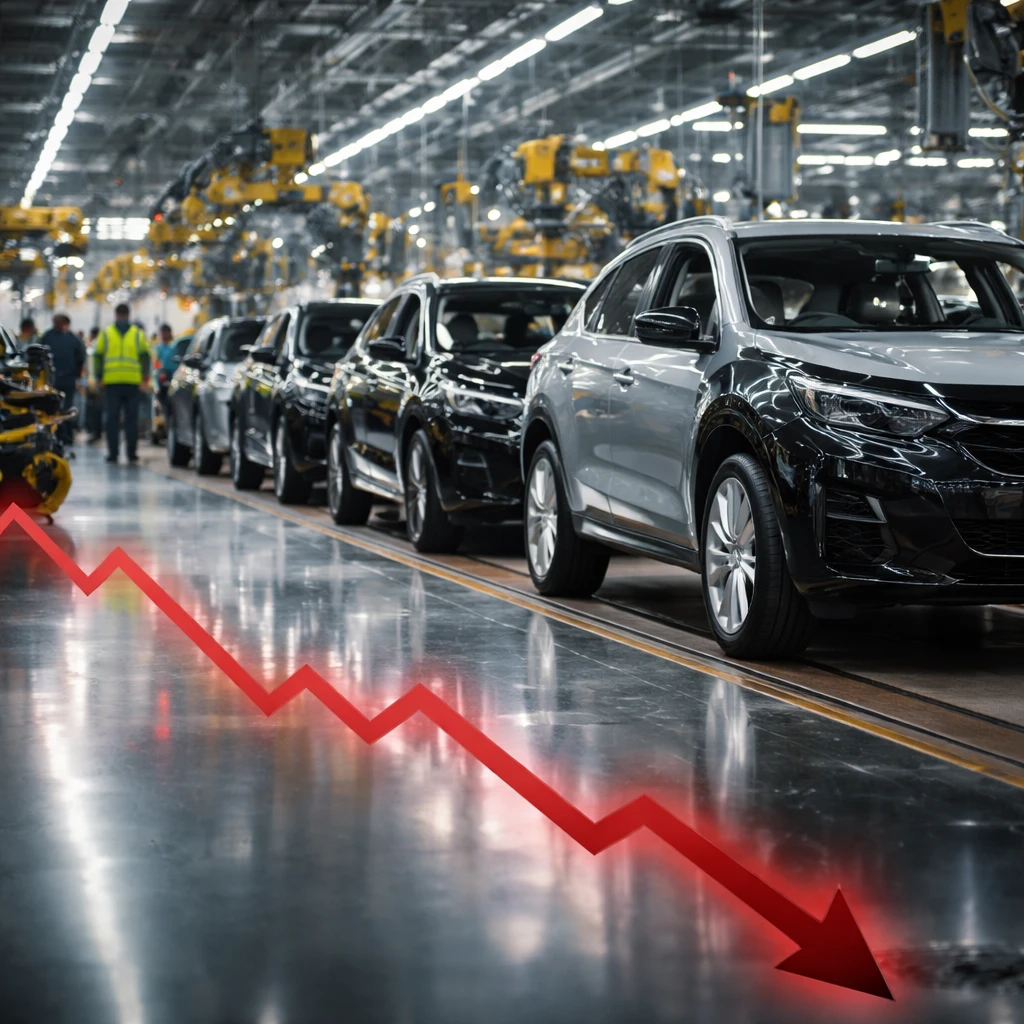
European carmakers moved lower on Monday, with German names among the heaviest decliners, after President Donald Trump said he would raise duties on autos and trucks imported from the European Union to 25% - up from a previously agreed 15%.
By 08:08 GMT Continental had fallen 4%. Porsche AG and Mercedes each slipped by more than 1%. BMW and Volkswagen were down roughly 1.3% and 1% respectively.
The reaction followed a Friday statement from the president announcing an increase in tariffs charged to the European Union for cars and trucks, which he said would take effect next week. In a social media post he added that manufacturers who build vehicles in the United States would be exempt from the tariff.
Speaking at the White House, the president framed the move as designed to speed the relocation of production to American soil.
Across the region, the pan-European STOXX Europe 600 Automobiles & Parts Index fell 0.7%, making it the worst-performing sector in Europe on the day.
The U.S. announcement prompted immediate pushback from European authorities and industry groups. The European Commission rejected the president's contention that Brussels had violated the terms of the deal with Washington and said it would keep open all options to defend EU interests should the U.S. proceed with the tariff increase.
Background to the trade understanding is framed around an arrangement reached last August. Under that agreement, Washington accepted lowering its 25% global auto tariff - imposed on national security grounds - to a net 15% for vehicles from Europe.
In exchange, the EU agreed to remove duties on American industrial goods, accept U.S. vehicle safety and emissions standards, and adopt a near-blanket 15% tariff rate on U.S. imports while eliminating most of its own tariffs.
The implementation of those commitments has been slow. EU lawmakers only moved the necessary legislation forward in March, and full ratification of the package was not expected to be completed before June.
Markets reacted to the renewed uncertainty over the trade arrangement by repricing risk in the automotive sector, particularly for companies with large export flows to the United States. The situation remains fluid as officials in Washington and Brussels exchange positions and legal and legislative steps continue to unfold in Europe.