
Nokia shares jumped nearly 7% on Monday, propelling the stock's gains for the year past the 100% mark as investor interest in AI-related infrastructure continued to lift the Finnish network equipment manufacturer.
The uptick marked a fifth consecutive session of advances for Nokia, with the share price climbing to levels not seen since November 2008 - a peak that represents more than 17 years for the company.
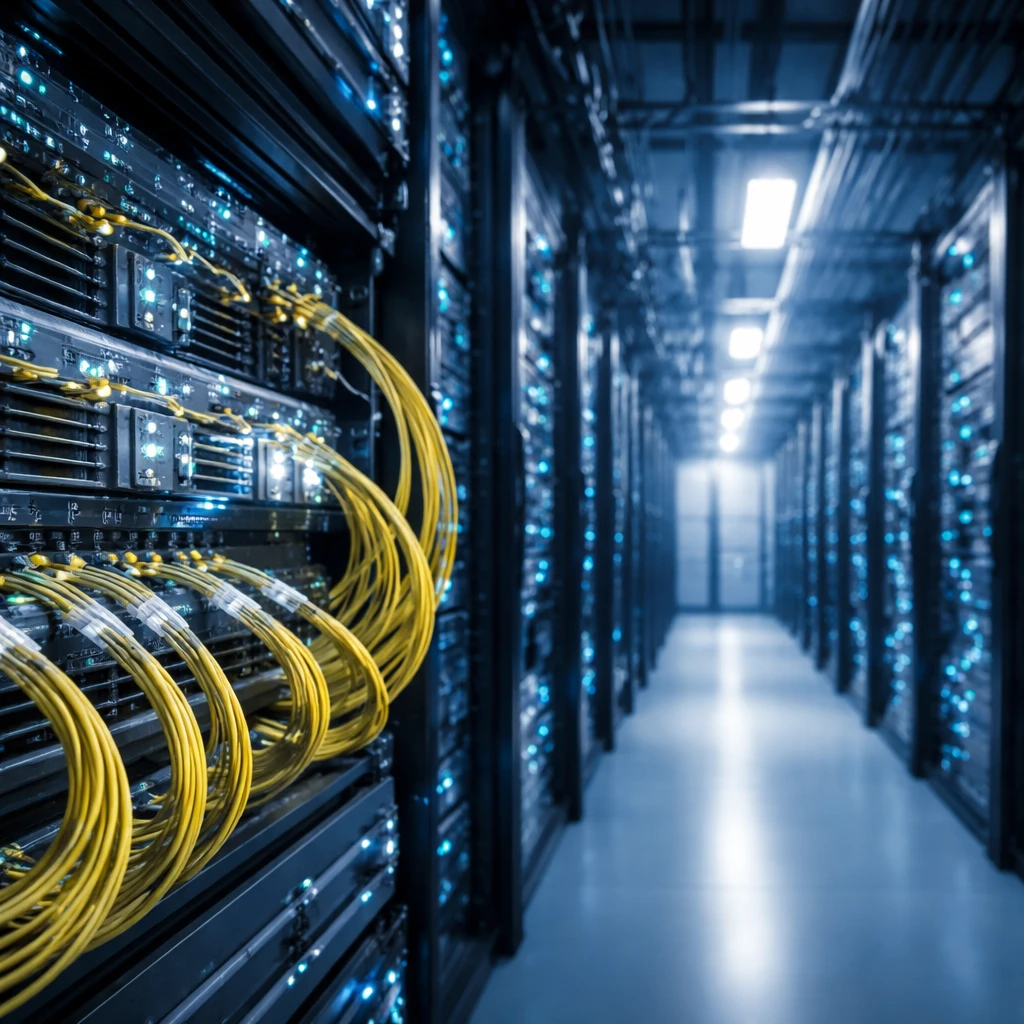
In April, Nokia revised upward its expectations for annual sales in its network infrastructure business. That division produces optical transport systems that are used in AI data centers, and the improved outlook helped stoke investor enthusiasm.
The company’s network infrastructure arm has become a central source of growth, supported by expanding deployments from telecommunications companies and cloud providers. Those customers are enlarging their infrastructure footprints to handle rising artificial intelligence workloads, which in turn has increased demand for the backbone technology that Nokia supplies.
Industry demand from hyperscalers and enterprise customers has been cited as a key factor in the division's performance, as these buyers invest in the transport and connectivity systems required to power AI applications and services.
Market reaction to the sales outlook upgrade underscores how sensitive investor sentiment has been to signs of increased spending on AI-enabled infrastructure. The rally that produced the multi-session winning streak and the 17-year share-price high reflects renewed confidence in the company’s ability to capture growth tied to the AI build-out.
The article's reporting is limited to the developments described above: the near 7% one-day increase, the year-to-date gains surpassing 100%, the fifth straight session of gains, the highest share price since November 2008, and the April upward revision to expected annual sales in Nokia's network infrastructure business, which manufactures optical transport systems used for AI data centers. It also notes the role of telecommunications companies, cloud providers, hyperscalers and enterprise customers in expanding the backbone infrastructure that supports AI workloads.