
World May 4, 2026 03:24 AM

Pakistan to Receive 22 Evacuated Crew from Seized Iranian Vessel as Confidence-Building Step

U.S. transfers sailors to Pakistan for handover to Iran; ship to be moved to Pakistani waters for repairs and return

By Leila Farooq
Pakistan to Receive 22 Evacuated Crew from Seized Iranian Vessel as Confidence-Building Step

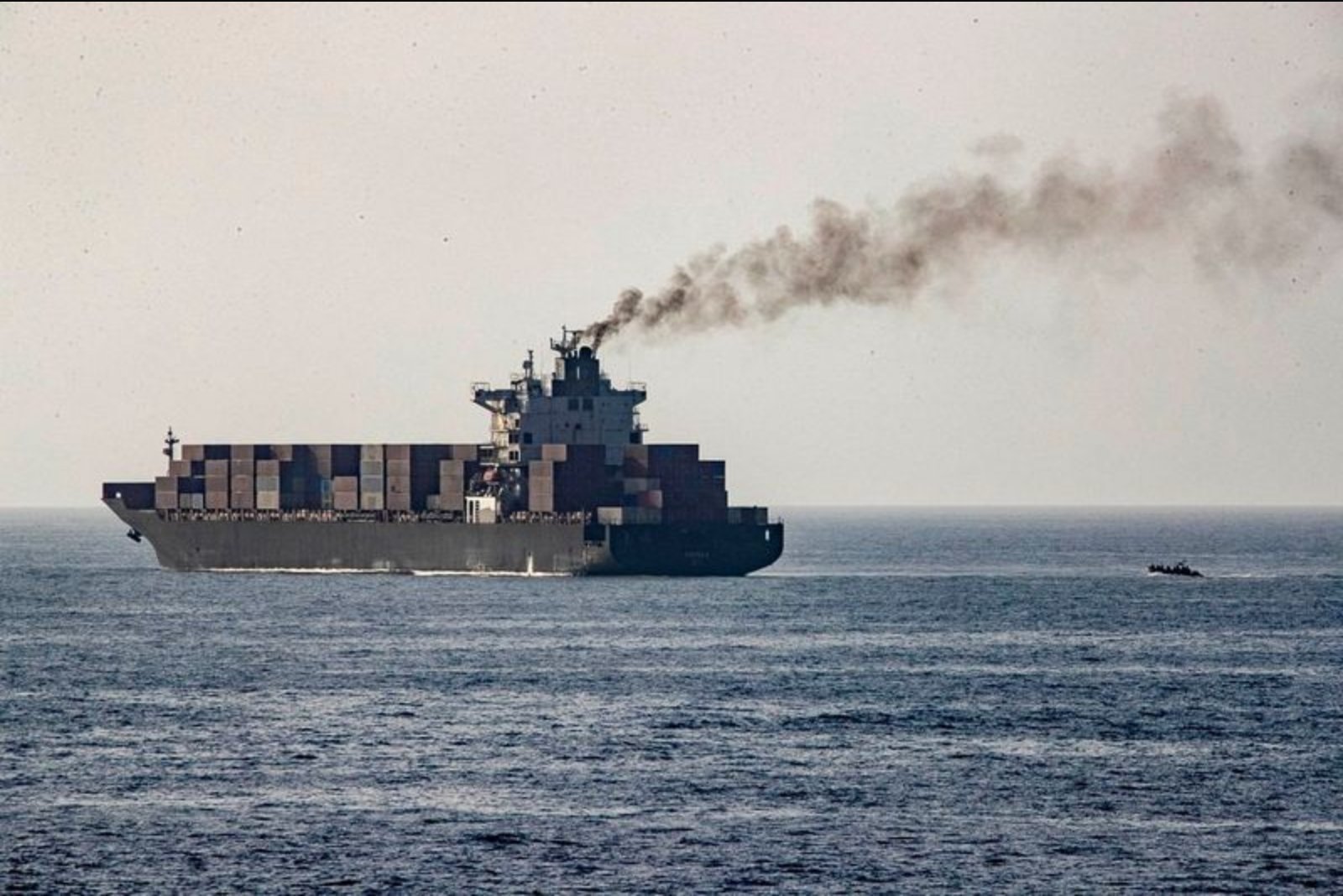
Pakistan said the United States has evacuated 22 crew members from the Iranian-flagged container vessel Touska and will hand them over to Iranian authorities on Monday, calling the action a confidence-building measure. The ship, operated by the Islamic Republic of Iran Shipping Lines (IRISL) and previously seized by U.S. forces off Chabahar, will be moved into Pakistani territorial waters for repairs and subsequent return to its owners, the foreign ministry said.

Key Points

  • 22 crew members from the Iranian-flagged container ship Touska were evacuated by the U.S. to Pakistan and will be handed over to Iranian authorities on Monday; Pakistan called the move a confidence-building measure - sectors impacted: maritime, diplomatic relations.
  • The Touska, operated by IRISL and under U.S. sanctions, was seized off Chabahar after U.S. Central Command said the crew ignored repeated warnings over six hours and violated a U.S. blockade - sectors impacted: shipping, maritime security.
  • Pakistan will move the vessel into its territorial waters for repairs and subsequent return to its owners; recent peace talks hosted in Pakistan did not produce a final agreement - sectors impacted: logistics, international trade.

ISLAMABAD, May 4 - Pakistan's foreign ministry announced that 22 crew members who were aboard the Iranian-flagged container ship Touska have been evacuated by the United States to Pakistan and are scheduled to be transferred to Iranian authorities on Monday. Islamabad described the transfer as a "confidence-building measure."

The Touska, part of the Islamic Republic of Iran Shipping Lines (IRISL), was boarded and seized by U.S. forces off the coast of Iran's Chabahar port in the Gulf of Oman last month. U.S. Central Command has maintained that the vessel broke a U.S. blockade and that its crew did not respond to repeated warnings over a six-hour period prior to the boarding and seizure.

Iran reacted strongly to the seizure at the time, condemning the action as unlawful and a violation of international law, and called for the immediate release of the ship, its sailors, and their families. The latest announcement from Pakistan provides a procedural path for the 22 crew members to be returned to Iranian custody.

In addition to the personnel handover, Pakistan's foreign ministry said the Touska will be moved into Pakistani territorial waters where necessary repairs can be carried out before the vessel is returned to its owners. The ministry framed these steps as part of an effort to defuse tensions arising from maritime confrontations in the region.

The developments come against a backdrop of wider hostilities in the region. The U.S.-Israeli war on Iran, which began in February, was put on pause four weeks ago after the parties announced a fragile ceasefire. Despite that suspension, Washington and Tehran have continued to clash at sea, with both sides engaging in seizures of commercial vessels and other naval confrontations.

Pakistan has been engaged in diplomatic efforts to mediate between the parties. Peace talks took place last month in Pakistan as part of those efforts, but according to the foreign ministry the meetings did not result in a conclusive agreement. The transfer of crew and the planned relocation of the ship to Pakistani waters are described by Islamabad as steps intended to reduce immediate tensions while preserving options for further negotiation.


Contextual note: The account above reflects statements and facts as provided by Pakistan's foreign ministry and U.S. Central Command regarding the seizure of the Touska, the evacuation of its crew, and subsequent plans for transfer and repairs.

Risks

  • Ongoing naval confrontations and reciprocal seizures between Washington and Tehran could continue to disrupt commercial shipping and increase insurance and security costs for maritime trade - impacts: shipping, insurance.
  • The fragile ceasefire announced four weeks ago may not hold fully in practice, as incidents at sea have persisted despite the suspension of wider hostilities - impacts: energy transportation and regional trade.
  • Diplomatic efforts, including last month's peace talks in Pakistan, have so far failed to produce a binding settlement, leaving uncertainty about the long-term resolution of maritime tensions - impacts: international trade and port operations.

More from World

U.S. Praises Taiwan as 'Trusted and Capable' Partner After Lai's Surprise Visit to Eswatini May 4, 2026 Rutte says European allies have responded to U.S. pressure on base access and Gulf support May 4, 2026 Germany Says U.S. Troop Pullback Should Spur Europe to Shoulder More Defence Burden May 4, 2026 Australia Opens Public Hearings on Bondi Mass Shooting and Surge in Antisemitism May 3, 2026 Taiwan’s President Touches Down in Eswatini After Earlier Trip Was Halted by Airspace Denials May 3, 2026