
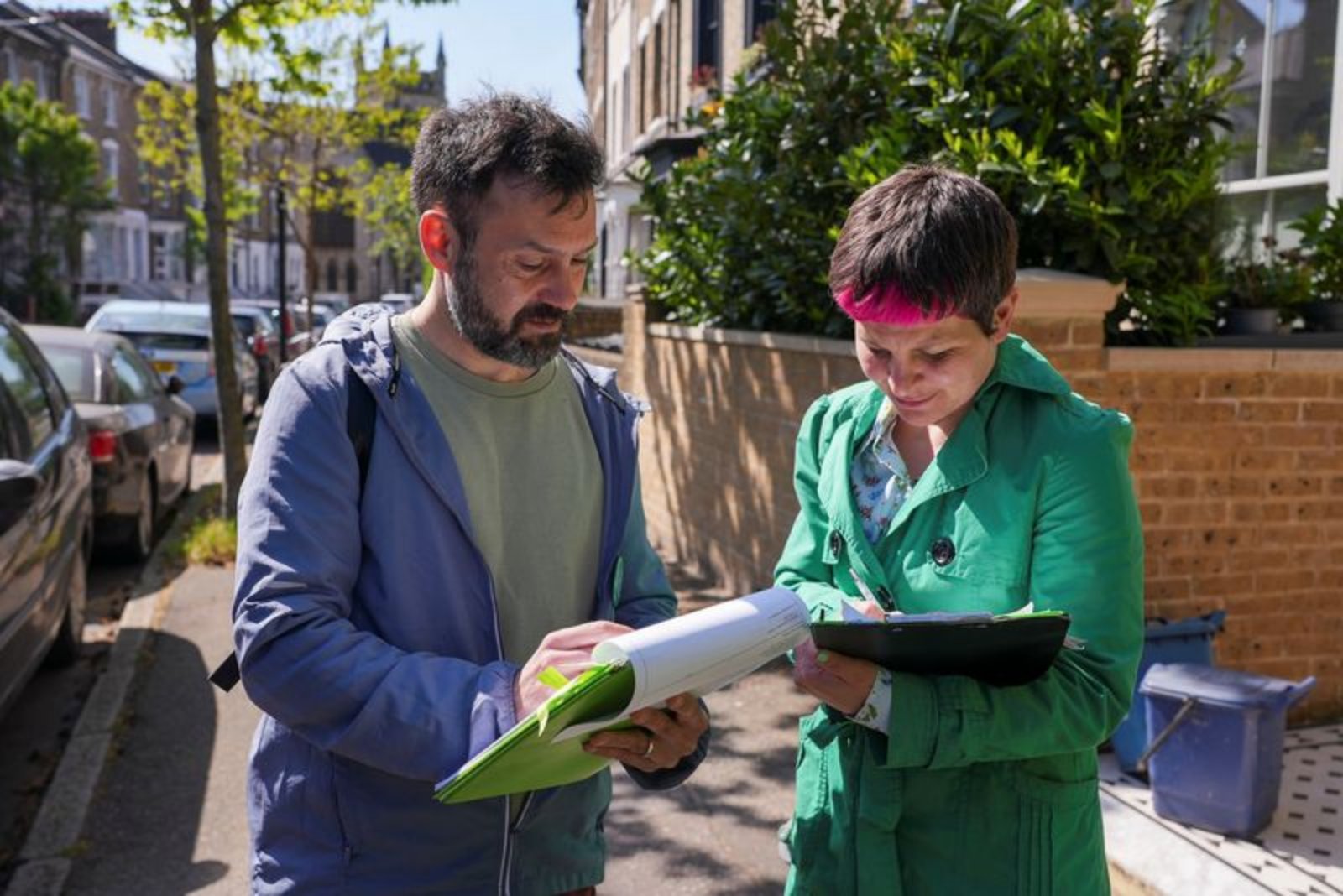
In Hackney, an east London borough long controlled by Labour, a noticeable number of progressive voters are switching their allegiance to the Green Party, a shift that could have wider implications across the capital. Human rights lawyer Nadeshda Jayakody, 34, who backed Labour in the 2024 general election, said she now plans to vote Green. "I just think the Greens align better with what I stand for," she said, adding that she sees Labour as "pandering towards the right, towards Reform, rather than trying to lead from the centre or the left."
The local council elections in London on May 7 form part of a larger set of votes across Britain that could unsettle Prime Minister Keir Starmer’s position. Despite steering Labour to a decisive victory in 2024, Starmer’s approval ratings have fallen since taking office, and the party is preparing for significant losses in some areas. Polls and local sentiment indicate that Labour risks surrendering seats to Reform UK in some former industrial heartlands and to the Greens in major cities.
Labour’s recent policy shifts are a central factor in the current dynamic. As the party has tightened positions on issues such as immigration in reaction to the rise of Nigel Farage’s Reform UK, some urban progressive voters who had seen Labour as their natural home are reconsidering. That recalibration is playing out in inner London boroughs where the Greens have increased their appeal.
The Greens’ resurgence accelerated after Zack Polanski took the helm in September and steered the party leftward. Under his leadership the Greens have broadened their platform beyond environmental priorities, advocating proposals including higher taxes on the wealthy, rent controls and the legalisation of drugs. National polling has put the Greens in the 15% to 20% range at times, with some samples showing them ahead of Labour.
That momentum produced a striking result in February, when the Greens captured a parliamentary seat in Greater Manchester that had been regarded as safely Labour. The victory has fed debate about whether Labour remains the only credible progressive alternative to Reform.
On the ground in Hackney, Green mayoral candidate Zoë Garbett said the party’s message resonated with voters. "People on the doorstep in Hackney really were following that and really could see that we are an alternative," she said. Garbett pointed to a mix of local grievances and national issues driving voter dissatisfaction, ranging from local housing concerns to Labour’s stance on the Gaza war.
Hackney has been the largest party on the council since the 1970s, yet polls indicate tightly contested battles in multiple London boroughs. A YouGov model last month projected the Greens as leading in four London boroughs, including Hackney, while a JL Partners model showed the Greens narrowly ahead in Camden, which contains Keir Starmer’s parliamentary seat. At the same time, Reform UK could perform well in some of the city’s outer boroughs.
The political contest is producing a spectrum of voter responses. Some residents remain loyal to Labour’s traditional role as a defender of vulnerable groups. Mel Bagshaw, 69, a photographer, said he had previously voted Labour and intended to do so again, calling the Greens "slightly too radical for me." Others are conflicted. Sophie Bullock, 39, an operations manager who normally supports Labour, said she was torn between a desire for "some consistency and some stability" behind Starmer and the "refreshing" energy offered by the Greens.
Garbett said many voters felt abandoned by the established parties on national issues. "I think we’ve seen a real change in politics," she said, "and I think this election is going to be a real change for London."
Labour’s leadership has defended the party’s direction, with Keir Starmer saying his government is focusing on stabilising public finances, reducing child poverty and cutting hospital waiting lists amid significant global challenges. Despite those claims, the party has contended with a series of scandals and a growing perception among some voters that promised improvements in living standards have not yet materialised.
The Greens have also faced internal controversy. Several candidates were accused of antisemitism, prompting criticism. Polanski, who is Jewish, has stated that one instance of antisemitism is "one too many" but also argued that the issue should not be conflated with legitimate criticism of Israel. He was publicly rebuked by London’s police chief after he retweeted a post on X that criticised officers for the way they arrested a man after two Jewish people were stabbed in north London.
With models indicating potential Green leads in multiple boroughs and close races in others, the May 7 council elections will offer a clearer picture of whether the Greens can convert growing national polling into local electoral gains and whether Labour can halt its recent slide among urban progressive voters. The outcome will shape local governance in London boroughs and feed into broader calculations about the national political balance of power.
Summary
Shifts in voter allegiance in inner London, exemplified by Hackney, have boosted the Greens at the expense of Labour. Under Zack Polanski the Greens have adopted a wider leftward policy agenda and are polling strongly. Close contests are forecast in several boroughs, raising the prospect of losses for Labour to both Greens in cities and Reform UK in some outer boroughs. Local issues such as housing and national controversies have both influenced voter sentiment.