
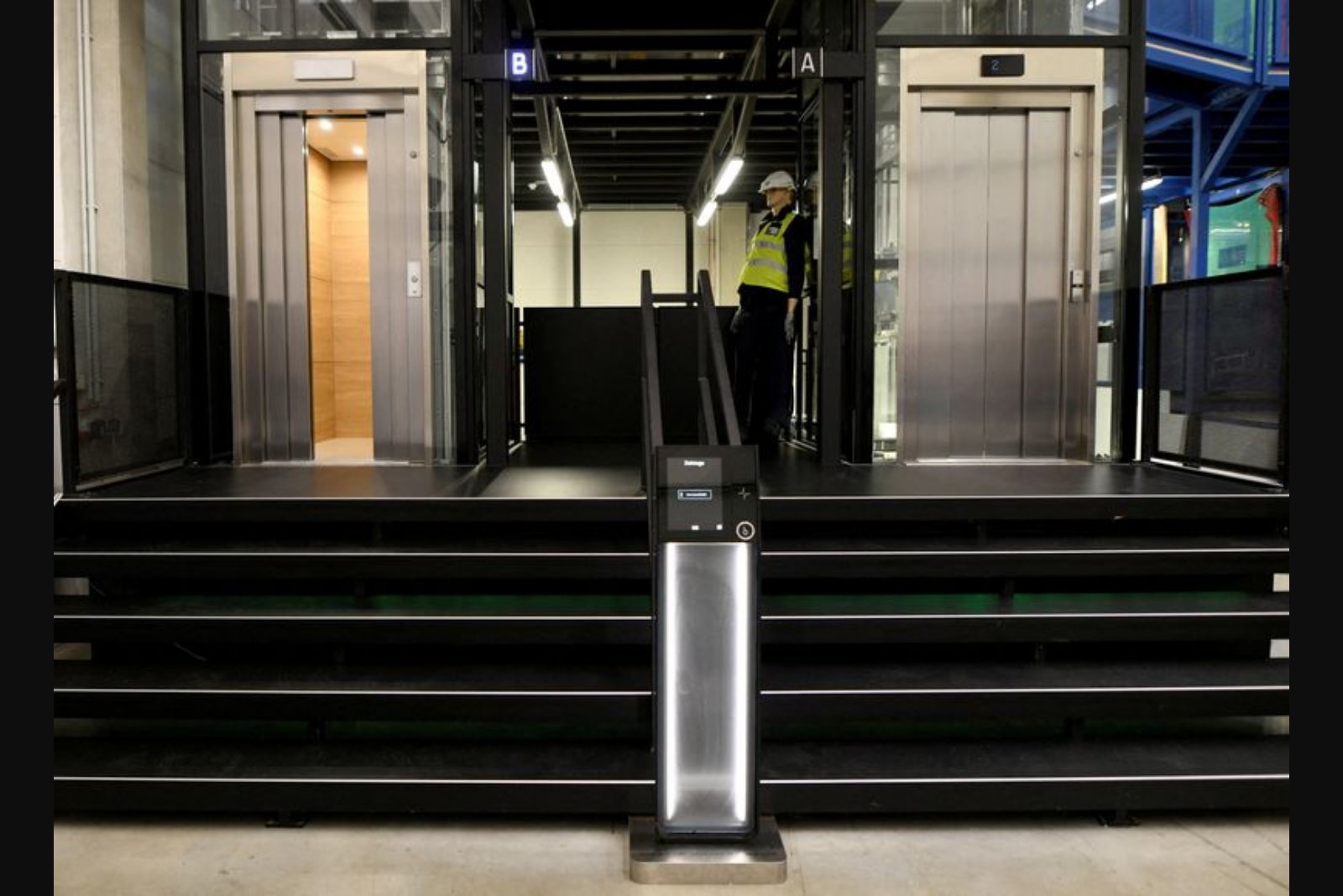
Kone has returned with a new bid to join forces with Germany’s TK Elevator (TKE), reviving consolidation discussions that have been on the table for years. If regulators approve the transaction, the merged firm would become the largest lift and escalator maker globally by market capitalization.
The timing of the offer aligns with proposals in Brussels to reshape how major mergers are judged, according to people familiar with the matter. Those changes would formally allow companies to argue that broader public-interest factors - such as sustainability, resilience, investment and innovation - should be weighed alongside the European Commission’s traditional focus on competition and consumer harm.
This is Kone’s second run at combining with TKE inside of six years. An earlier non-binding approach involving a 17 billion euro joint offer with private equity backer CVC Capital Partners was dropped in part due to antitrust concerns. TKE, formerly a ThyssenKrupp division, was later acquired by private equity firms Advent and Cinven.
Regulatory backdrop
Officials in Brussels have not accepted formal notification of the new proposal, and they noted that it is the responsibility of the companies to notify the deal if it meets the criteria for an EU-dimension merger review. The proposed changes to EU merger rules, still under discussion, would give the merging parties additional arguments to present to regulators, but those reforms may not be in place in time to affect the assessment of this transaction.
Even with potential rule changes, analysts and market watchers expect a thorough and prolonged examination. One consequence of the deal would be to reduce the number of major European lift manufacturers from four to three, a shift that is likely to invite deep scrutiny. Swiss peer Schindler has already indicated it will contest the tie-up.
Scale and synergies
According to calculations cited by Reuters, a combined Kone-TKE would generate approximately 20 billion euros in annual revenue, employ more than 100,000 people worldwide, and carry a market capitalization approaching 49 billion euros. That valuation would place the combined company ahead of Swiss rival Schindler, at roughly $36 billion, and U.S.-based Otis, at nearly $30 billion as of the latest market close.
Kone’s management has pointed to geographic and operational benefits. TKE has a stronger footprint in the Americas, which would complement Kone’s existing positions, while the merger is projected to yield about 700 million euros in annual cost savings.
Antitrust expectations and likely remedies
Industry analysts say the practical characteristics of the elevator and escalator business - where sales, installations and maintenance are frequently handled on a national or local basis - make piecemeal, market-by-market reviews almost inevitable. Kepler analysts argued that regulators would likely examine new installations, modernization projects and after-sales maintenance separately across jurisdictions, increasing the chance of a so-called phase 2 probe - a full-scale EU investigation that typically leads to required remedies.
Analysts across banks and brokerages expect divestments to be likely. Danske Bank equity analyst Panu Laitinmaki said he believed regulatory approval was achievable but that Kone would probably need to sell certain European operations to satisfy competition concerns. Citi modelers considered a scenario in which the merged group might divest the German business plus other European assets representing another 500 million euros in annual sales.
AlphaValue’s Kulwinder Rajpal warned that reviews could adopt a country-level lens, with regulators possibly demanding divestments that match the competitive footprint of affected markets.
Timing and market reaction
Kone has stated it expects the transaction to close at the earliest in the second quarter of 2027, subject to receiving all required approvals. Some analysts viewed that timetable as optimistic given the anticipated depth of regulatory review and the potential need for multi-jurisdictional clearances, including in the U.S. and the U.K., in addition to Europe.
When presenting the deal, Kone’s chief executive indicated confidence in securing approvals through engagement with regulators, but company spokespeople declined to disclose details on what remedies might be proposed.
Implications for industrial consolidation
Finnish Prime Minister Petteri Orpo framed the proposal in national and continental terms, saying Europe needs more firms in the "global top tier." For the elevator and escalator sector, the transaction would reshape competitive dynamics and concentrate scale among fewer global players. The deal underscores how changes in EU merger thinking - if adopted and applied - could influence consolidation strategies for companies seeking to reach scale comparable with U.S. and Asian competitors.
Nevertheless, the outcome will hinge on how regulators weigh the newly emphasized public-interest factors against established competition concerns and whether any prospective reforms to EU merger assessments are applicable to this case.
Summary of the situation
Kone’s renewed approach to combining with TK Elevator is a strategic effort to build a larger global champion in lifts and escalators, leveraging potential regulatory shifts in Europe that would allow broader arguments for mergers. The transaction promises scale, cost synergies and a stronger presence in the Americas, but it is expected to face detailed scrutiny that may result in divestments and a prolonged approval process.