
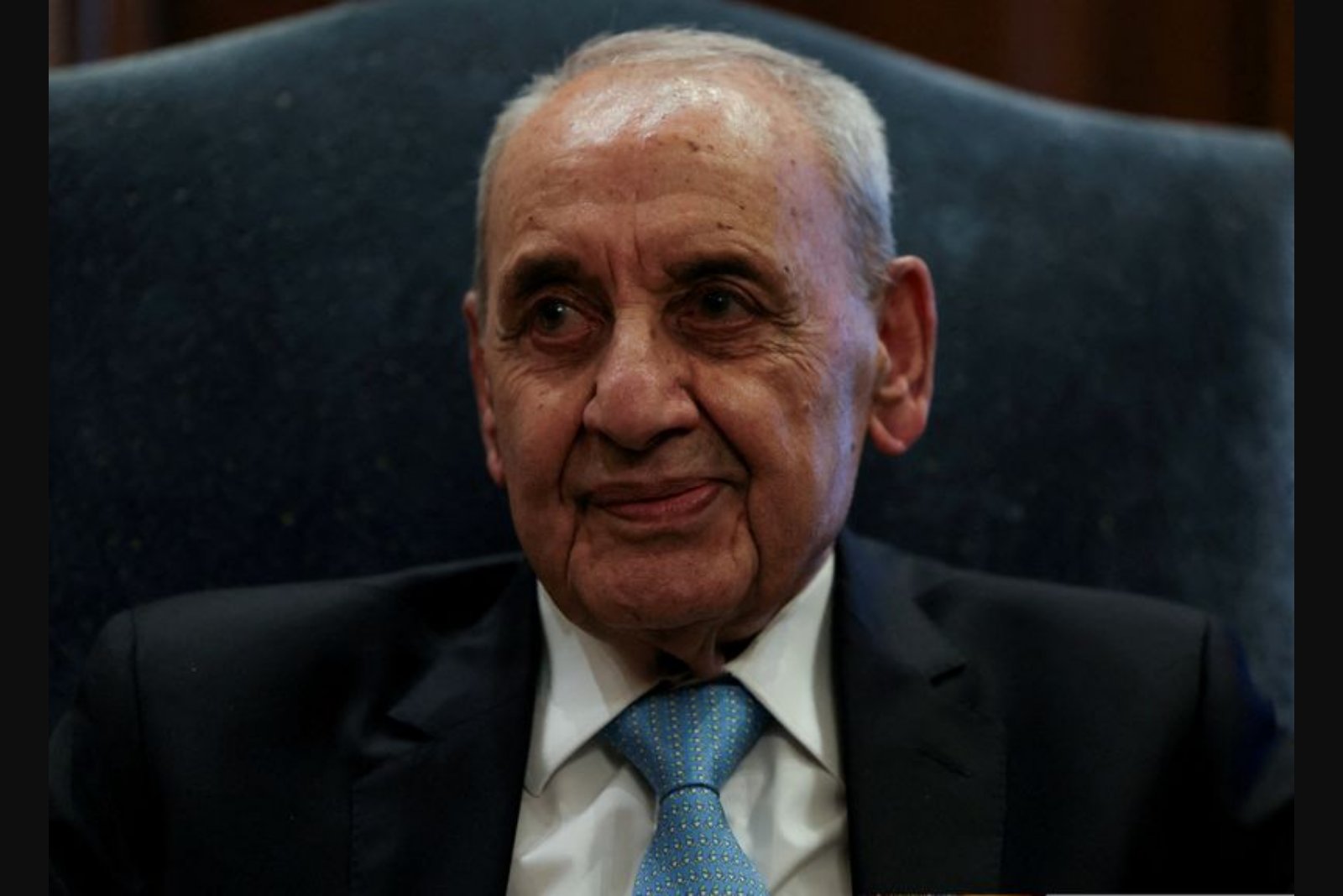
BEIRUT - Lebanon's parliament speaker, Nabih Berri, said on Monday that negotiations with Israel cannot begin until the fighting in southern Lebanon stops. Berri, the most senior Shi'ite political figure in Lebanon and an ally of Hezbollah, framed an end to hostilities as the necessary precondition for any political track, according to a summary of remarks issued by his office.
His comments arrived as the Israeli military ordered residents of four additional villages beyond its self-proclaimed security zone to leave their homes immediately, accusing Hezbollah of breaching the ceasefire and warning it intended to act against the group. The notices underscored the fragile state of the truce agreed between Israel and Lebanon in mid-April and later extended into May.
Although the ceasefire has reduced the intensity of fighting, it has not led to a permanent halt to violence. Israeli forces continue to occupy parts of southern Lebanon and have carried out demolitions in villages there. Hezbollah has also continued to mount attacks on Israeli positions, with the group reporting it conducted 11 operations against Israeli forces in southern Lebanon on Sunday.
Berri told Lebanon's An-Nahar newspaper that the priority must be "stopping the war before any political track," and he said he would not accept negotiations without guarantees that Israel would halt its attacks, according to the summary released by his office.
The current cycle of violence followed Israel's invasion of Lebanon in March. The invasion aimed to root out Hezbollah after the Iran-backed Shi'ite armed group fired across the border in support of Tehran, following strikes on Iran by the United States and Israel, the summary noted. Tehran has said any deal to end the wider war must include a halt to fighting in Lebanon, while Washington has maintained the matters are separate.
U.S. diplomatic efforts to translate a brief period of face-to-face talks between Israeli and Lebanese delegations into a broader political settlement have encountered obstacles. Berri and Hezbollah have objected to the direct meetings that took place last month. President Donald Trump, who hosted the delegations for those talks, said there was "a great chance" the countries would reach a peace agreement this year and that he wanted to host a meeting soon between Israel's Prime Minister Benjamin Netanyahu and Lebanon's President Joseph Aoun.
President Aoun has voiced support for ambassador-level talks with Israel aimed first at solidifying a ceasefire, followed by broader discussions addressing Lebanon's demands. Those demands, as described by Aoun, include a full Israeli withdrawal from occupied areas, the return of displaced people and the release of captives held by Israel.
Lebanon's government has articulated a desire for a permanent arrangement with Israel that would halt repeated cycles of invasions and strikes, while stopping short of explicitly seeking a formal peace treaty. Israel, for its part, has stated that any arrangement must include the permanent disarmament of Hezbollah.
The human cost of the conflict has been significant. Lebanon's health ministry reported that more than 2,600 people have been killed in the war since March 2. Israel has reported that 17 of its soldiers have been killed in southern Lebanon during the campaign, and that two Israeli civilians have been killed by Hezbollah attacks.
Domestically, the conflict has deepened divisions within Lebanon over Hezbollah's status as an armed group. The Lebanese government has been seeking the peaceful disarmament of Hezbollah since last year, a campaign that the ongoing violence has complicated.
Context and diplomatic friction
The sequence of recent events underscores the diplomatic tensions tied to any negotiation effort. While the mid-April ceasefire and subsequent face-to-face meetings represented rare openings for dialogue, the continued presence of Israeli forces in southern Lebanon, the demolition of villages, and cross-border attacks have kept the situation volatile. Berri's insistence that fighting stop before a political track can begin highlights the gulf between Lebanese political actors who prioritize an immediate cessation of hostilities and Israeli demands for Hezbollah disarmament as a condition for progress.
Operational developments on the ground
On the ground, the Israeli military's evacuation warnings to residents of four villages signaled an intention to take action against perceived ceasefire violations. Hezbollah's reported operations against Israeli forces indicate the group remains active in contesting Israeli advances and maintaining pressure along the border areas.
Outlook
With senior Lebanese figures refusing to enter talks while fighting continues, and with Israeli security concerns focused on Hezbollah's capabilities, the pathway to a comprehensive agreement remains uncertain. U.S. mediation efforts are active but face resistance from influential Lebanese and regional actors who link a broader settlement to the cessation of hostilities in Lebanon.