
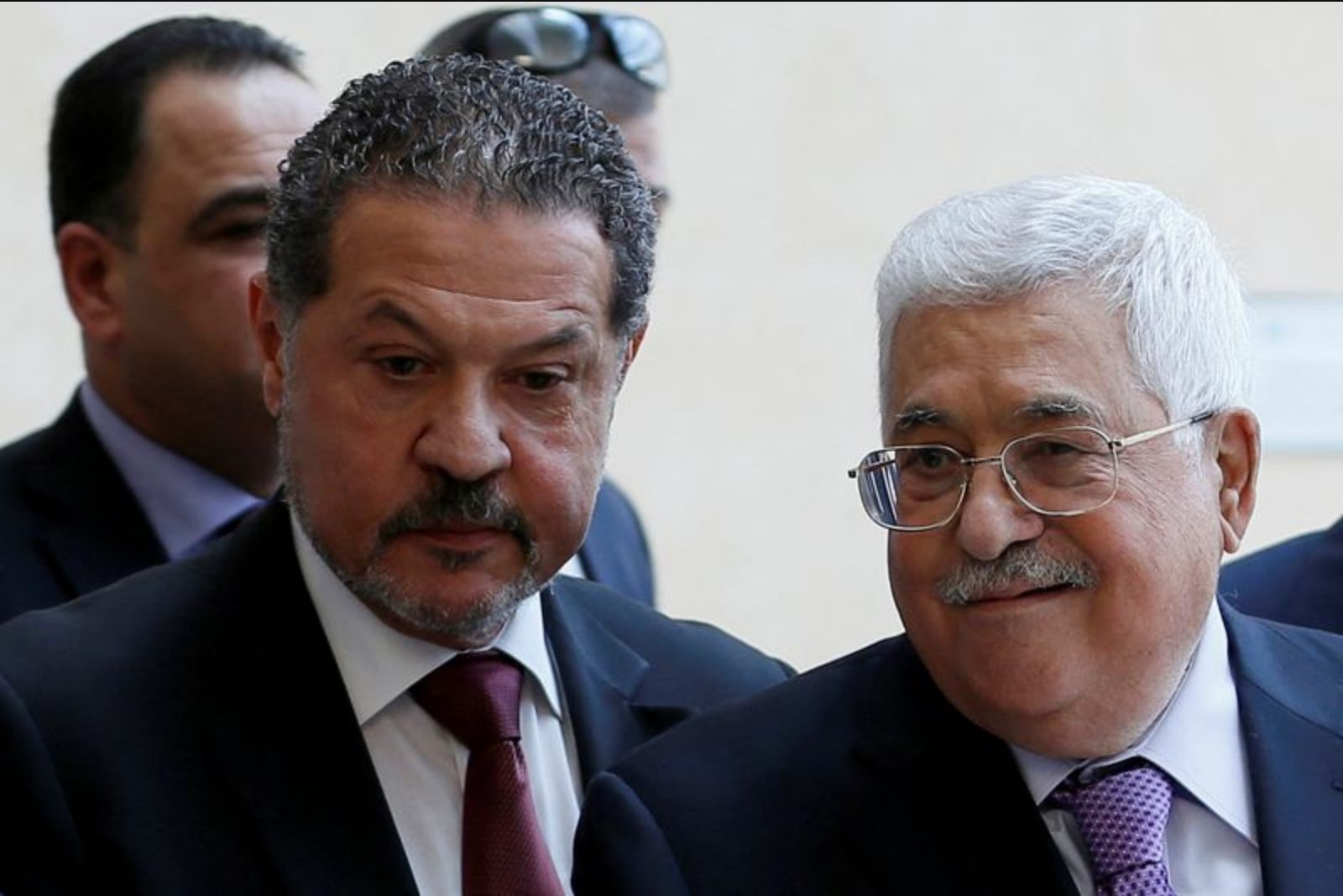
Yasser Abbas, a millionaire businessman and the son of Palestinian President Mahmoud Abbas, has been elected to the Fatah Central Committee, a senior party body that serves as the movement’s highest decision-making organ, a party official said on Sunday. The vote took place at Fatah’s first general conference in almost a decade.
The conference also reaffirmed that Mahmoud Abbas, 90, will remain the chairman of Fatah. The outcome adds a new chapter to internal dynamics inside the party that dominates both the Palestinian Authority - the interim administration created under the 1990s Oslo accords - and the Palestine Liberation Organization, the umbrella body still internationally recognised as representing the Palestinian people.
Yasser Abbas, 64, who has not previously held an official position within either Fatah or the Palestinian Authority, runs businesses in tobacco and contracting in areas of the West Bank where the PA exercises limited self-rule. His election to the Central Committee has prompted speculation that the president may be positioning him for future leadership within Fatah. That possibility has drawn criticism from some within the party who say Yasser Abbas lacks the ability to unify Palestinians or to help craft a new political direction after years without national elections and limited progress toward statehood.
Among those elected alongside Yasser Abbas were Majed Faraj, the head of the General Intelligence Agency, and Zakaria Zubeidi, a former militant group leader who was released in a Hamas-Israel prisoner-hostage exchange tied to the 2025 Gaza ceasefire.
Internal criticism is set against a broader backdrop in which the Palestinian Authority’s legitimacy has eroded for many Palestinians. More than two decades have passed since Mahmoud Abbas was elected to succeed Fatah founder Yasser Arafat, and public perceptions have increasingly painted the PA as ineffective and corrupt - characterisations the president rejects. Mahmoud Abbas has ruled by decree since his mandate expired in 2009.
The Palestinian political landscape was further altered in 2007, when Fatah forces in the Gaza Strip were overpowered by Hamas militants who seized control of the enclave. That takeover followed Hamas’ victory in the Palestinian parliamentary elections a year earlier. Attempts at peace talks with Israel that were intended to produce an independent Palestinian state in the West Bank, Gaza and East Jerusalem collapsed in 2014. Since then, the steady expansion of Israeli settlements has further fragmented the territorial map envisioned for Palestinian statehood.
The Palestinian Authority is also confronting a financial crisis, complicating governance and the PA’s ability to deliver services. Critics of Yasser Abbas have for years accused him and his brother Tarek of benefiting from public funds to support private business interests - allegations the brothers deny.
The elevation of a president’s son to Fatah’s Central Committee at this moment highlights a succession debate within the movement and the broader Palestinian leadership. The conference outcome preserves Mahmoud Abbas’ formal leadership while adding new personalities to the party’s top body, leaving unanswered questions about the direction of Fatah, the future of the Palestinian Authority and prospects for Palestinian governance amid enduring political, territorial and fiscal pressures.