
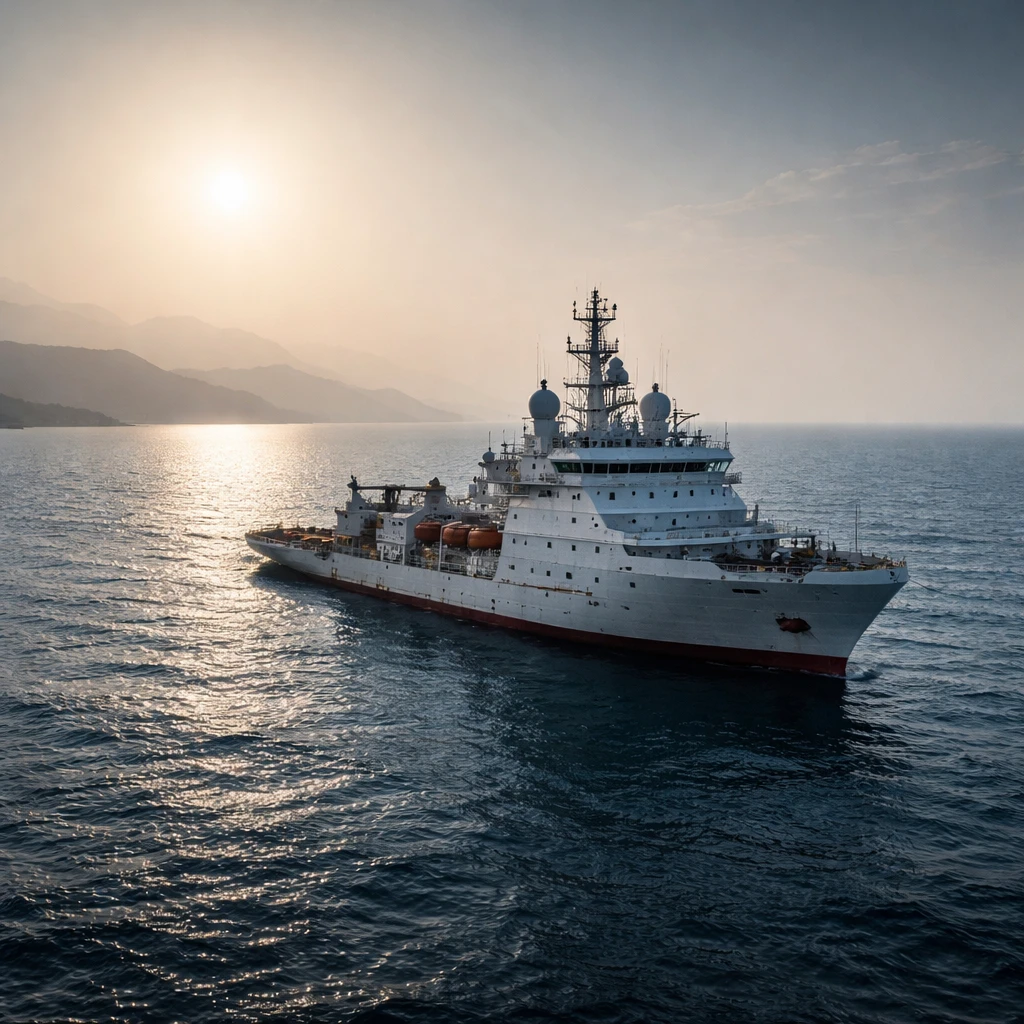
The maritime incident involving the Hui Chuan has introduced new complexities to the geopolitical landscape of the Strait of Hormuz. The vessel carries the flag of Honduras but is owned by Sinoguards Marine Security, a firm registered in Hong Kong. This specific seizure highlights an increasing level of restriction on transit permissions within the region, even for maritime entities that maintain connections to Beijing.
Key Developments and Market Implications
- Targeted Maritime Asset: The Hui Chuan was operating in a zone where strict port gun regulations are in effect. These regulations necessitate that private security firms utilize floating armories, located offshore, for the storage of weapons.
- Diplomatic Timing: The seizure coincided with a high-level diplomatic summit held in Beijing between U.S. President Donald Trump and Chinese leader Xi Jinping. During these discussions, regional security and international pressure concerning Iran were primary topics on the bilateral agenda.
- Bilateral Consensus: Following the conclusion of the summit, the White House stated that both President Trump and President Xi reached an agreement asserting that the Strait of Hormuz must remain a free waterway. Furthermore, they agreed that Iran should be prevented from demanding payments for the use of these essential shipping lanes.
Market Impact: These developments primarily impact the energy and global logistics sectors. The stability of the Strait of Hormuz is fundamental to commodity supply chains; any disruption or perceived threat to free passage can influence volatility in energy markets and maritime insurance costs.
Operational Context and Uncertainties
The details surrounding the vessel's specific function at the time of its detention remain somewhat opaque. While the vessel was at anchor near Fujairah, Sinoguards founder Mario Yun Zhou has declined to comment on whether the Hui Chuan was serving as an active floating armory during the incident. He noted only that the firm operates in accordance with the regulatory requirements and authorizations provided by its applicable flag state.
Furthermore, there is a lack of clarity regarding the personnel involved, as a spokesman for China’s Foreign Ministry stated that no Chinese nationals were among the crew members on the Hui Chuan at the time of its seizure. The Ministry also declined to offer further comment on the detention itself.
Identified Risks and Uncertainties
- Transit Risk: The impoundment of a private security vessel suggests that even entities with Chinese ties may face restrictions or inspections, creating uncertainty for maritime operators in the region.
- Geopolitical Volatility: The intersection of maritime seizures and high-level diplomatic summits introduces risks to international relations and regional stability, which can impact long-term capital allocation in energy-dependent markets.
Sector Impact: These uncertainties create potential headwinds for the shipping, security, and commodities sectors, as stakeholders monitor whether the agreement between the U.S. and China will effectively maintain the freedom of navigation in the Strait.