
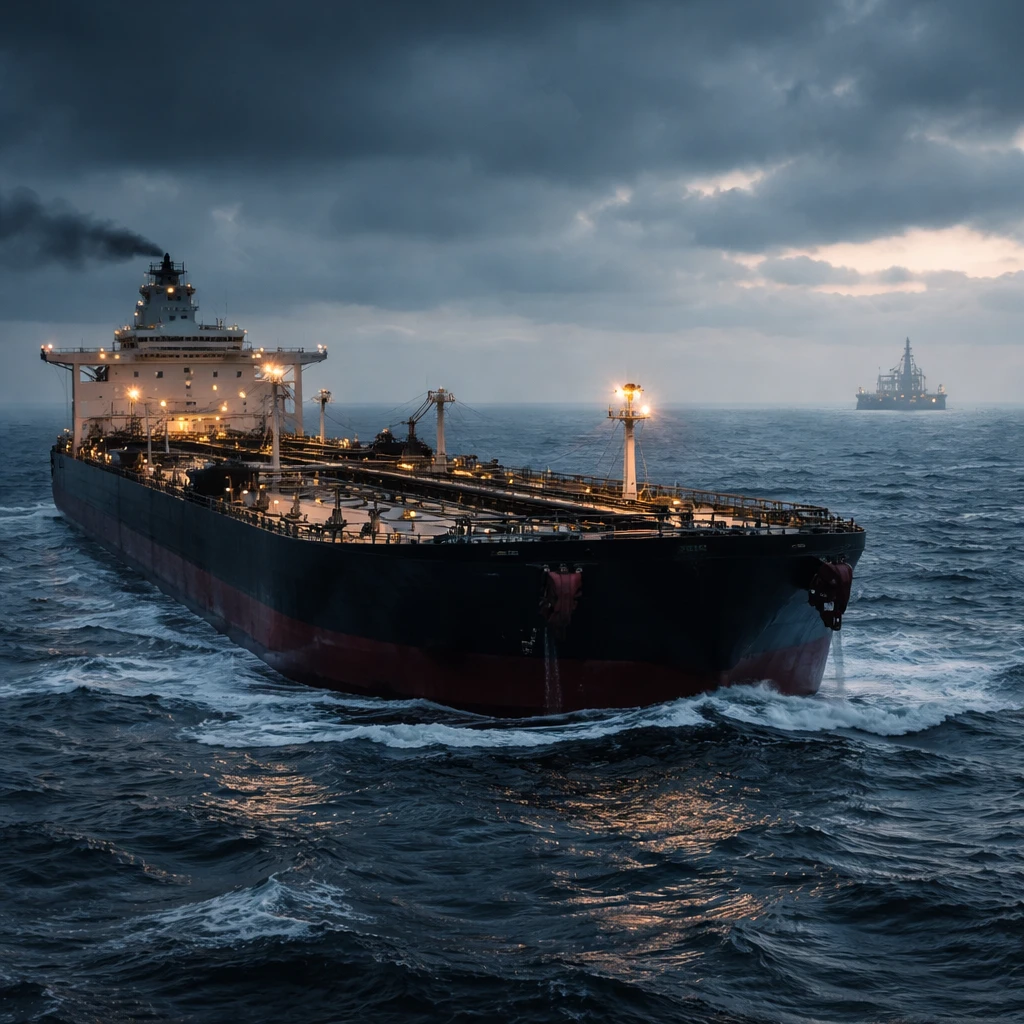
The decision to let the waiver lapse follows intense political pressure from within the United States. On Friday, Democratic Senators Jeanne Shaheen and Elizabeth Warren publicly advocated against extending the policy. The senators argued that the waiver served as a source of essential revenue for Russia's military operations in Ukraine while failing to deliver any meaningful relief regarding fuel costs for American consumers.
This expiration comes at a time of heightened volatility in global energy markets. Since the outbreak of war in Iran on February 28, both domestic and international crude oil benchmarks have been fluctuating at or above the $100 per barrel mark. The White House has utilized several other strategies to manage these market pressures, including the deployment of emergency loans from the Strategic Petroleum Reserve (SPR) and a temporary waiver regarding Jones Act shipping regulations. Additionally, President Donald Trump has indicated support for a temporary pause on the 18.4-cent-a-gallon federal gasoline tax.
Despite these various administrative interventions, retail fuel costs remain high. U.S. gasoline prices have reached an average of approximately $4.50 per gallon, marking the highest levels seen since 2022. In response to these supply pressures, President Trump noted during his return from a bilateral summit in Beijing that he had discussed the possibility of lifting sanctions on Chinese companies that buy Iranian oil with Chinese President Xi Jinping, stating that a conclusion on that matter would be reached soon.
The cessation of the waiver is expected to have a profound impact on India. As the primary consumer of Russian seaborne crude, India saw its import volumes reach levels near record highs during April and May under the authority of the now-expired waivers.
Key Market and Economic Points
- Impact on Global Trade Flows: The end of the waiver directly restricts the legal movement of Russian seaborne oil to international markets, specifically impacting major importers like India.
- Energy Benchmark Volatility: The policy change occurs while crude benchmarks are under pressure, trading at or above $100 per barrel due to geopolitical tensions in the Middle East and the closure of the Strait of Hormuz.
- Retail Energy Costs: Despite administration efforts such as SPR loans and potential tax pauses, domestic gasoline prices remain at a multi-year high of roughly $4.50 per gallon.
Risks and Uncertainties
- Supply Chain Disruption: The removal of the waiver creates uncertainty for nations like India that have relied on these legal channels to maintain high import volumes.
- Geopolitical Policy Shifts: There is ongoing uncertainty regarding whether the administration will shift focus toward lifting sanctions on Chinese firms purchasing Iranian oil to balance supply.
- Inflationary Pressures: The inability of current interventions to lower retail gasoline prices below $4.50 per gallon highlights a risk to consumer spending and domestic economic stability.