
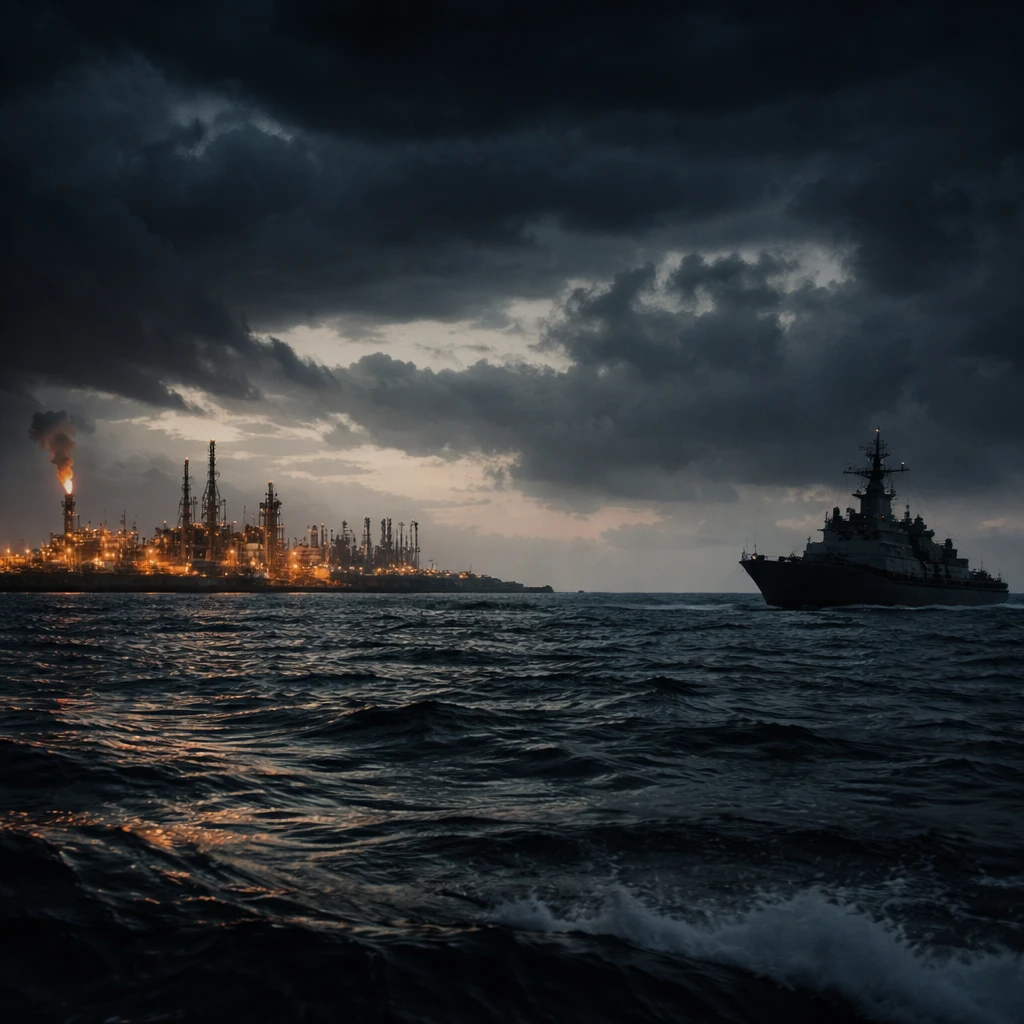
Military preparations are currently being advanced by both Israel and the United States as they weigh the possibility of resuming coordinated attacks against Iran. According to reports citing Middle Eastern and U.S. officials, these operations could potentially commence as early as next week.
The move toward strategic escalation arrives in the wake of a diplomatic stalemate. Previous negotiations, which were facilitated by Pakistan and received support from China, failed to reach a resolution due to technical disputes. These disagreements specifically involved Iran's underground nuclear program and questions regarding long-term maritime control over the strategic chokepoint known as the Strait of Hormuz.
U.S. defense officials have presented President Donald Trump with several contingency plans for potential intervention. These scenarios include:
- Intensified Aerial Bombardment: A campaign focused on destroying Iranian military command structures and foundational infrastructure.
- Tactical Seizure of Oil Hubs: The seizure of Kharg Island, which serves as Iran's primary hub for exporting crude oil in the Persian Gulf.
- Ground Commandos: The deployment of ground forces onto the Iranian mainland with the specific objective of physically extracting highly enriched uranium stockpiles that are located beneath nuclear facilities previously targeted by strikes.
Military strategists have cautioned that a mission involving mainland extraction would be complex, requiring thousands of supporting troops to establish and maintain a defensive perimeter. Such an operation carries the risk of combat casualties on the ground.
An anonymous senior Israeli official has confirmed that domestic military forces are preparing for imminent hostilities. The official indicated that while preparations are underway, the Israeli military is waiting for a final strategic directive from the White House. The official noted that the United States perceives negotiations with Iran as having no path forward and stated that Israel is preparing for a period of fighting that could last from several days to weeks, pending President Trump's ultimate decision.
The threat of renewed conflict follows a brief truce that was established on April 8, which had temporarily halted the regional warfare that began earlier this year. This previous conflict had significant implications for global energy markets; specifically, Iraqi oil exports through the Strait of Hormuz dropped to 10 million barrels in April, compared to a monthly baseline of 93 million barrels.
In addition to military tensions, U.S. intelligence agencies are currently investigating a major cyber incident believed to have originated in Tehran. Sources briefed on the situation report that hackers managed to compromise unpassworded online monitoring systems. These systems are used to track fuel inventory volumes within storage tanks that supply gas stations across various U.S. states. While the breach allowed hackers to alter visual display gauges showing fuel levels, there is no evidence of physical damage or manipulation of actual fuel reserves. Federal cybersecurity agencies have not yet released a formal statement attributing the attack.