
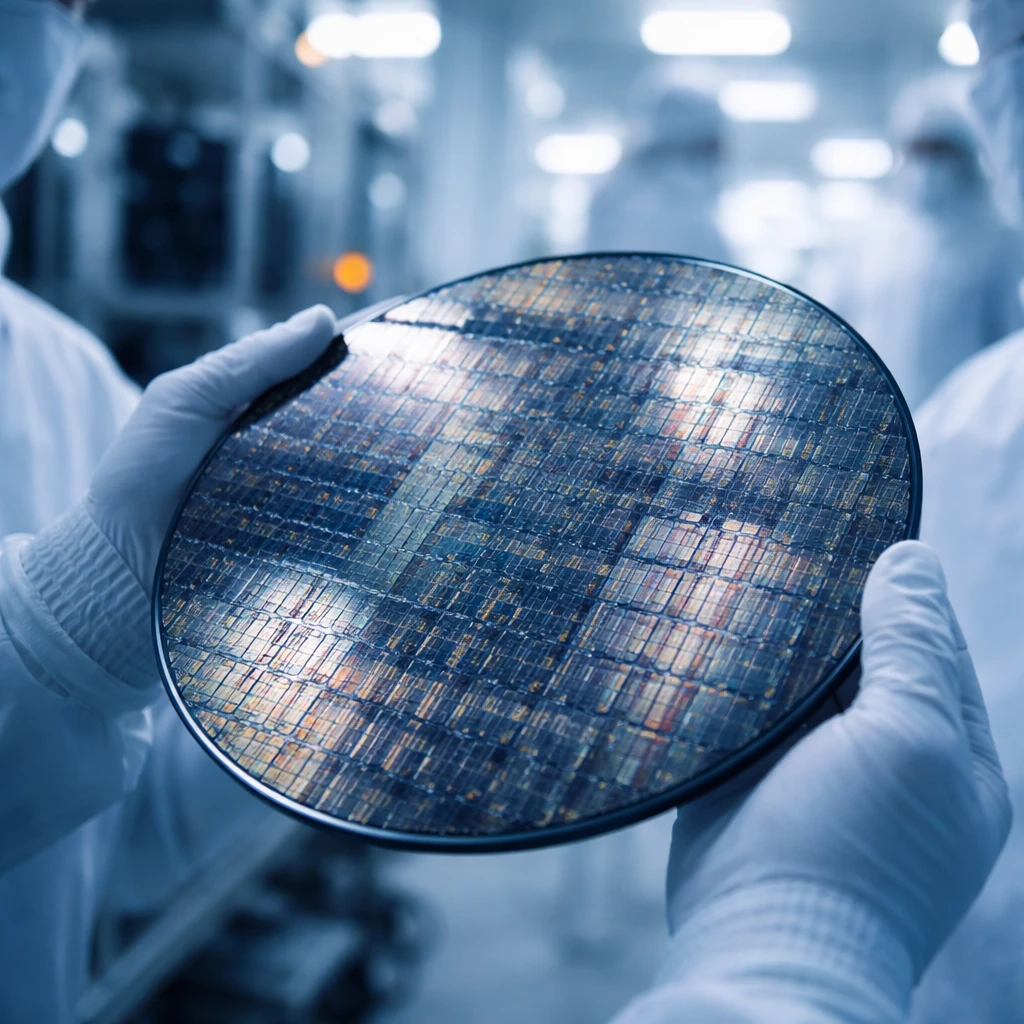
Investor attention is focused on memory-chip makers after artificial intelligence demand drove an extraordinary jump in profitability across the sector. Analysts say the boom in high-bandwidth memory (HBM) chips has materially reshaped earnings forecasts for the semiconductor space.
Micron Technology Inc (NASDAQ:MU) stands out in the current cycle. Having reported its largest-ever corporate loss three years ago, Micron is now projected to rank as the sixth-most profitable U.S. stock. Forecasts place the company's expected earnings over the coming 12 months at just under $100 billion, a level that would exceed the forecasted net incomes of Meta Platforms Inc and Berkshire Hathaway Inc.
That sharp reversal of fortunes is not isolated. Rivals Samsung Electronics Co Ltd and SK Hynix Inc have also benefited from the strength in memory pricing, positioning the pair to perform strongly within the global semiconductor manufacturing cycle. Wall Street analysts have repeatedly raised their earnings outlooks for the broader S&P 500 as a result of the unexpected surge in HBM chip prices and margins.
Investors in South Korea have responded in kind, with analysts lifting the two major domestic chipmakers and helping to drive local markets toward standout performance this year. The underlying drivers, however, remain tied to the memory industry’s capital-intensive structure.
Memory-chip manufacturing requires sizable, long-term capital expenditures and substantial lead times to construct new fabrication plants. Once facilities are completed, the high fixed costs of operations typically encourage operators to run at or near full capacity. Historically, that pattern can produce eventual excess supply that drives down market prices and compresses profits, as the sector experienced during the 2022-2023 downturn.
Current profitability has already stimulated aggressive expansion plans. Micron has committed $150 billion to build or expand manufacturing facilities in New York, Idaho and Virginia, coupled with new infrastructure rollouts in South Korea. These investments reflect a bet that high demand will persist, but they also add capacity that could weigh on prices if demand growth slows or efficiency improvements reduce memory requirements.
The stock market’s valuation signals carry mixed messages. Micron was trading at under 10 times forward earnings earlier this month, making it the third-cheapest stock in the S&P 500 on a forward P/E basis. Yet historical patterns show that similarly low forward valuations have sometimes coincided with the peak of chip cycles. For example, during the last downturn in 2022, Micron’s forward P/E reached nine times before the stock lost half of its value that year.
Another structural uncertainty stems from potential technology-driven efficiency gains. Improvements that make large language models more memory-efficient could materially reduce the physical memory needed by data centers, diminishing demand growth for DRAM and HBM chips over time.
Adding to the supply-side picture, recent entrants and capital raising have expanded the ecosystem. Cerebras Systems Inc completed an initial public offering that raised $5.55 billion, and its shares more than doubled on the first day of trading, signalling investor appetite for hardware plays that support AI workloads.
Is MU a bargain right now? The original coverage suggested investors can evaluate Micron using a Fair Value calculator that aggregates multiple valuation models to assess the stock relative to others.
Sector implications
The AI-driven surge in memory-chip profitability is affecting semiconductors, data-center operators and equity markets, with ripple effects for capital investment and regional stock performance.