
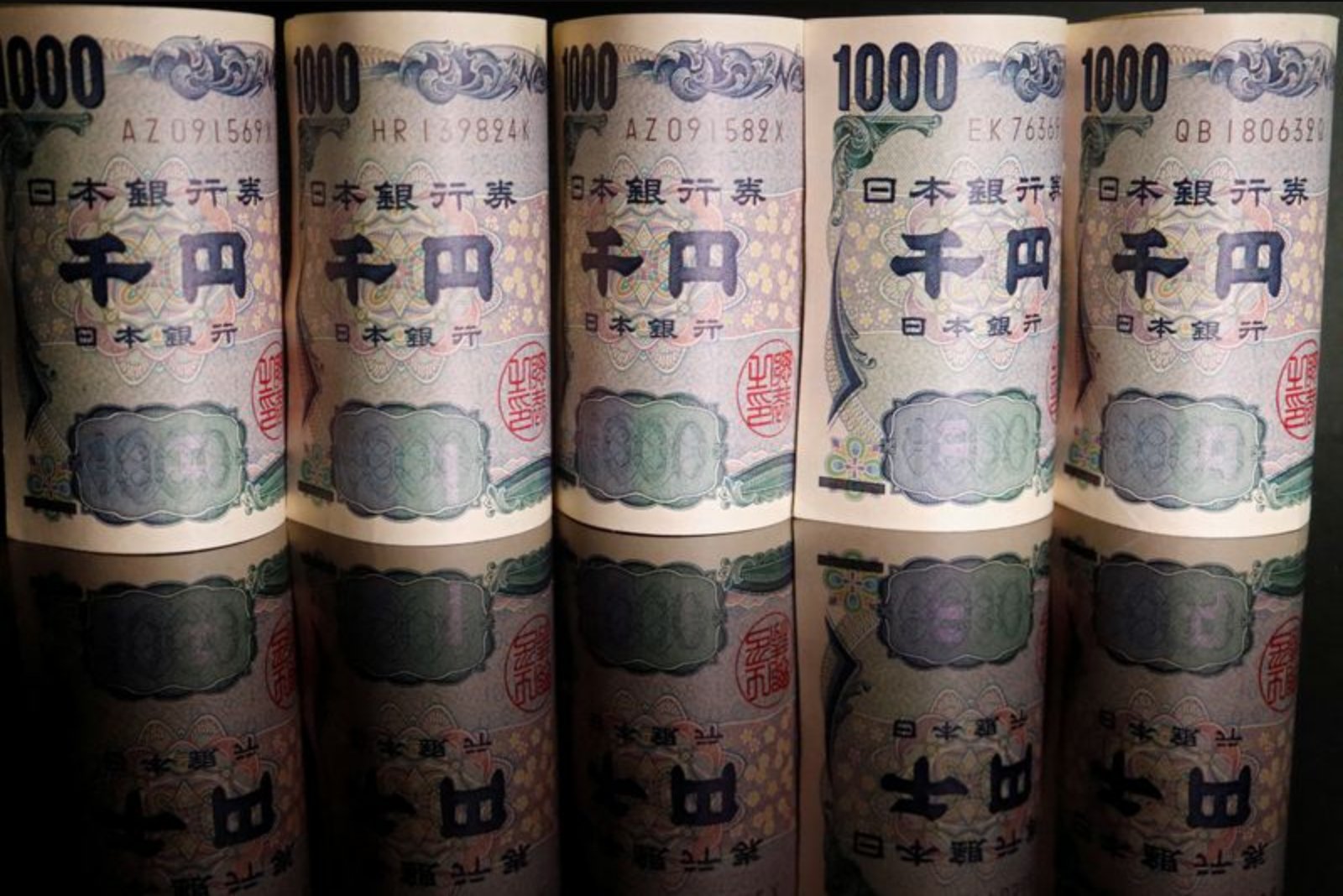
The yen steadied at the outset of Asian trading, rising marginally after several unsettled sessions that followed widespread suspicion officials had stepped in to shore up the currency last week. The Japanese unit ticked up 0.1% to 156.885 against the U.S. dollar, reflecting a month-to-date advance of 1.4% that analysts say was concentrated in Thursday’s sharp move.
Japanese authorities declined to confirm whether they had intervened in currency markets, but sources familiar with the matter told reporters that yen-buying activity did take place - a move described as the first such action in two years. Market participants have noted that this suspected intervention represents the third unilateral effort in the past four years, and some questioned how effective further unilateral operations would be.
Mahjabeen Zaman, head of FX research at ANZ Bank in Sydney, flagged two main points of focus for traders. "The primary focus will be whether further intervention occurs, noting that Japan is closed for the Golden Week holiday and there will be thinner liquidity during this time," she said. She added that the other central issue is whether the United States would participate in supporting the yen. "If the yen weakens further, you could argue that the likelihood of bilateral intervention increases," Zaman said.
Risk appetite in markets was tempered at the start of trading after President Donald Trump said the U.S. would begin an effort on Monday morning to free vessels stranded in the Strait of Hormuz as a "humanitarian gesture" intended to assist neutral countries in the U.S.-Israeli war with Iran. That comment contributed to a cautious tone among currency traders.
Elsewhere in FX markets, the U.S. dollar index, which tracks the greenback against a basket of six currencies, remained flat at 98.144. The Australian dollar gained 0.1% to $0.7211, while the New Zealand dollar advanced 0.2% to $0.5905.
Attention is shifting to the Reserve Bank of Australia, which is set to announce its next policy decision on Tuesday; the majority of analysts polled expect a rise in the cash rate to 4.35%. Domestic cost pressures were highlighted last week when Australia’s two largest supermarket chains warned of mounting price pressures tied to higher fuel and raw material costs stemming from the Iran war, a development that could influence inflation dynamics and central bank calculations.
The euro strengthened 0.1% to $1.1730 after German Chancellor Friedrich Merz attempted to downplay tensions with the United States following a planned troop drawdown. Germany’s economy ministry said on Sunday that Berlin is coordinating with the European Commission as it holds discussions with Washington, following President Trump’s Friday announcement that he would raise tariffs on cars and trucks from the European Union to 25%.
The British pound rose 0.1% to $1.3586. In the cryptocurrency market, bitcoin slipped 0.1% to $78,824.22, while ether edged up 0.1% to $2,331.95.
Markets are entering a period of thin liquidity in Japan due to the Golden Week holiday, and traders are monitoring whether suspected yen-buying marks the start of a sustained policy stance or a one-off response. Central bank policy decisions, geopolitical developments, and possible coordinated currency actions remain key variables for FX and wider financial markets in the near term.