
Cryptocurrency May 18, 2026 07:30 AM

Quantography Labs Opens Early Access to Lock.com, a Hardware-Free, Isolated Signing Wallet

Lock.com launches an air-gapped signing model with post-quantum cryptography during an early access rollout

By Avery Klein

Quantography Labs has begun an early access program for Lock.com, a software wallet that separates offline private key signing from online transaction broadcasting to eliminate reliance on dedicated hardware devices. The platform incorporates post-quantum cryptographic standards and aims to let users operate securely with devices they already own. Early access is intended to collect user feedback before a wider release.

Quantography Labs Opens Early Access to Lock.com, a Hardware-Free, Isolated Signing Wallet

Key Points

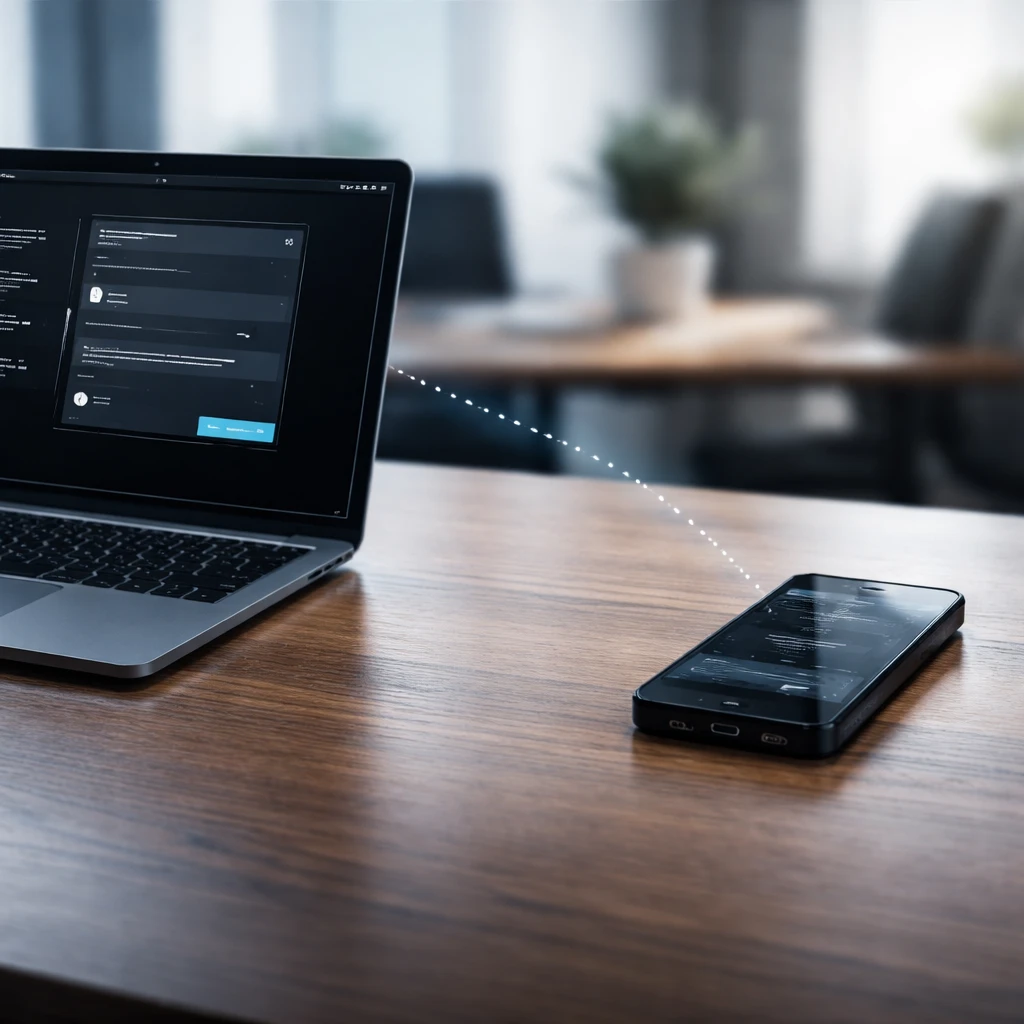
  • Lock.com separates private key storage from network-connected systems by keeping keys on a fully offline signer while transactions are assembled and broadcast from a connected device, removing reliance on dedicated hardware wallets.
  • The platform incorporates post-quantum cryptographic primitives, specifically ML-DSA signatures and ML-KEM key encapsulation, alongside its isolated signing architecture.
  • The early access period is intended to collect user feedback prior to a general availability release, and enrollment information is available on the Lock.com website.

London, United Kingdom, May 18th, 2026 - Quantography Labs has begun offering early access to Lock.com, a hardware-free crypto wallet designed around an isolated, air-gapped signing methodology.

Lock.com is now open to early access participants. The system's core principle is to keep private keys on a fully offline signer while using a separate, network-connected device to construct and broadcast transactions. By keeping the signing environment physically or logically isolated from internet-connected systems, private keys are never exposed online. The architecture is intended to remove the requirement for purpose-built hardware wallets by enabling the workflow on devices users already possess.

The company framed Lock.com's approach as a structural response to recurring security failures in the current self-custody ecosystem. According to Quantography Labs, many asset losses are not the result of fundamental self-custody concepts failing, but arise because the surrounding software and operational practices have not matched the security level expected of hardware solutions. Lock.com is positioned to close that gap by segregating signing from broadcasting.

In addition to the isolated signing model, Lock.com integrates post-quantum cryptographic standards. The platform includes ML-DSA signatures and ML-KEM key encapsulation mechanisms alongside the offline signer design. These post-quantum primitives are part of the wallet's stated technical makeup.

The staged early access phase is focused on collecting user feedback before the product reaches general availability. Enrollment for early access is available at https://www.lock.com/ and further technical information about the isolated wallet architecture is provided on the company's website at https://www.lock.com/.


About Quantography Labs

Quantography Labs describes itself as an investment and technology firm concentrating on secure finance, digital assets, and applied research. The company states it develops privacy-focused, quantum-ready systems aimed at advancing digital asset security and infrastructure. Lock.com is identified as the firm's first publicly released product.

Contact
Neal Taylor
[email protected]


This article is based on the announcement published by Quantography Labs regarding the early access release of Lock.com.

Risks

  • Early access phase implies product is not yet generally available; features and user experience may change before wide release, affecting user adoption in crypto and digital asset infrastructure sectors.
  • Dependence on users to adopt the isolated signing workflow instead of traditional hardware wallets could present operational or usability uncertainties for security and wallet providers.
  • The shift away from manufacturer-supplied hardware reduces supply chain risks associated with hardware wallets but places emphasis on the software and processes users employ, potentially impacting security practices across crypto custody and infrastructure.

More from Cryptocurrency

Bitcoin Falls Under $77,000 as Oil Spike and Rising Yields Weigh on Risk Assets May 18, 2026 Bitcoin Holds Near $78K as U.S. Retail Ownership Climbs and Major Holder Revises Balance Sheet Plan May 17, 2026 Bitcoin Slides to About $78,000 as Massive Long Liquidations Hammer Crypto Market May 16, 2026 E-Estate Sets Washington Summit to Mark One Year of Tokenized Property Market Development May 15, 2026 Bybit Shows Strong Position Retention, Ranks Second in Open Interest Among Major Derivatives Exchanges May 15, 2026