
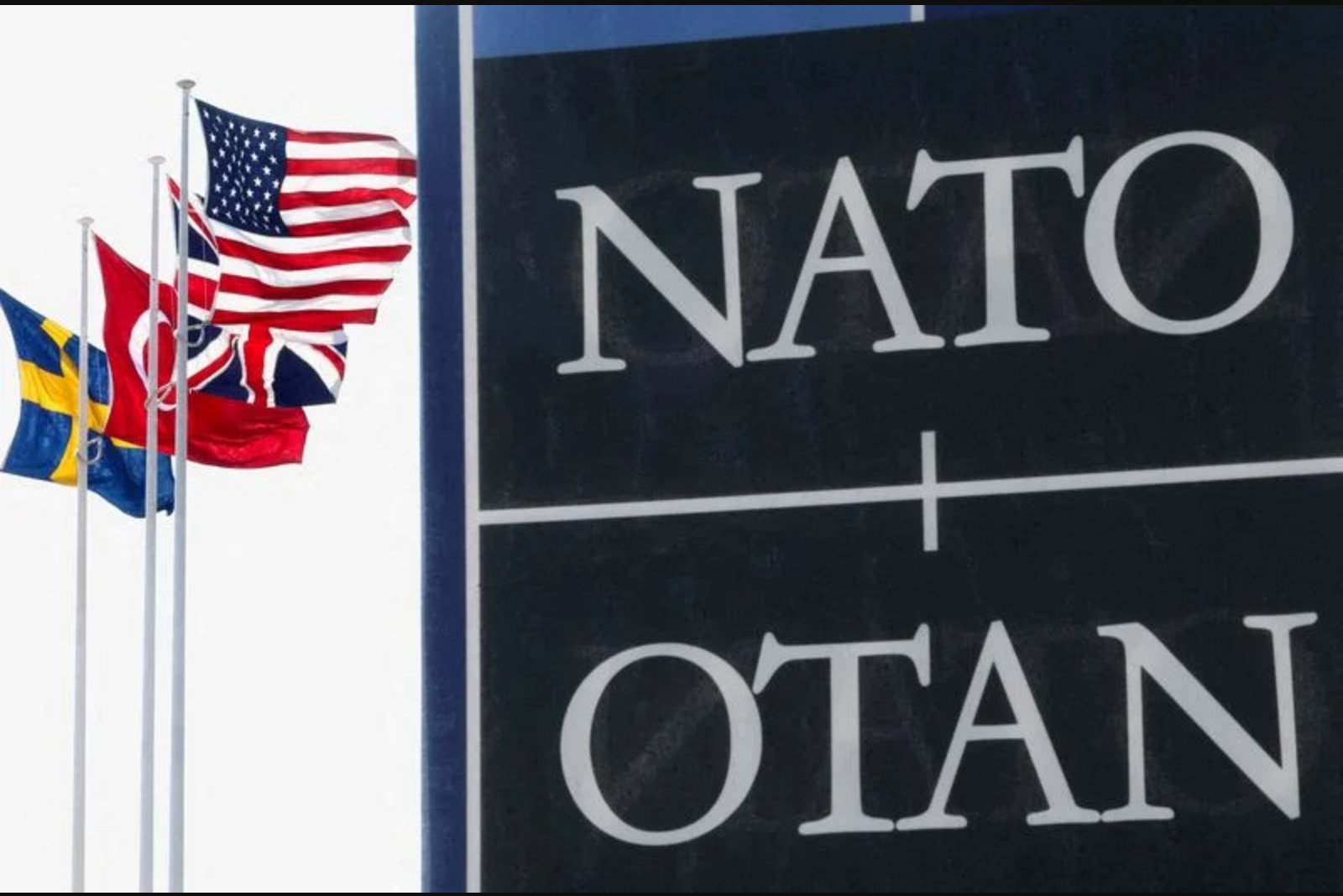
NATO leaders will gather in Ankara on July 7-8 to confront an array of issues shaping the alliance's near-term priorities and long-term posture. Delegates are expected to focus on preserving transatlantic unity, managing a shift in burden-sharing toward European states, ensuring pledged increases in defence expenditure translate into usable capabilities, and keeping support flowing to Ukraine - all while maintaining a posture aimed at deterring Russia.
Keeping the U.S. engaged
One of the alliance's foremost objectives at the summit is to preserve U.S. commitment to NATO's mutual defence guarantee under Article 5, which states that an attack on one member is an attack on all. This aim has taken on fresh urgency following a series of tensions with the White House. U.S. President Donald Trump has raised unconventional demands - including claims to ownership of Greenland, an autonomous territory of NATO-member Denmark - and has publicly criticised allies for their responses to the Iran war. He has also labelled the alliance a "paper tiger" and said he was considering withdrawing from NATO.
Alliance officials say their management strategy has combined data with diplomatic outreach. The alliance's Secretary-General, Mark Rutte, has been leading efforts to reassure the U.S. administration by highlighting how European members are meeting their commitments.
Burden-shifting and the changing U.S. footprint
The administration in Washington has pressed European governments to assume primary responsibility for the conventional defence of the continent as the United States reallocates resources toward the Indo-Pacific. Some alterations are already in motion: the U.S. has decided to reduce the pool of military capabilities it would make available to NATO in a crisis, and European members have filled nearly all of those gaps, according to officials.
At the same time, U.S. Defence Secretary Pete Hegseth has announced a new review of American troop deployments across Europe and threatened to withhold some U.S. dues to NATO if allies he deems as "free-riding" do not meet agreed defence spending targets. European officials, while signalling their intent to step up, have pointed to the need for time for any orderly transition and have voiced concern about the unpredictability of U.S. policy-making.
Spending commitments and political strain
NATO's European members and Canada face mounting pressure to increase defence outlays both to strengthen deterrence against Russia and to demonstrate responsiveness to calls for greater burden-sharing. At a summit in The Hague last year, alliance leaders endorsed a substantial rise in defence spending, pledging to reach 5% of GDP on defence and defence-related measures within a decade. That target was broken down into 3.5% of GDP on core defence - including troops and weapons - and 1.5% on wider defence-related measures.
Alliance figures show that European NATO members and Canada lifted defence spending by 20% in 2025 in real terms compared with the prior year. Despite that increase, not all countries are currently on a trajectory to meet the new goals, and several governments are beginning to encounter political resistance at home to higher defence budgets.
Industry capacity and delivery timelines
As European governments expand defence budgets, a critical challenge for the alliance is converting added expenditure into fielded capabilities within a condensed timeframe. NATO members are expected to announce tens of billions of dollars in new defence contracts in Ankara. Yet officials have expressed frustration that industrial output has not risen as quickly as hoped and that some procurement orders still take years to fulfil.
NATO leaders have urged defence firms to collaborate more closely, open additional production lines and shorten delivery schedules so that higher spending results in tangible increases in capability.
Deterring Russia
Leaders in Ankara are slated to reaffirm the view that Russia remains a long-term threat to Euro-Atlantic security. While alliance officials note that Russia faces serious economic difficulties and that Ukraine has strengthened its position, Secretary-General Rutte has warned that nearly half of Russia's state budget is now allocated to defence, underlining why NATO must not adopt a naive stance toward Moscow.
Sustaining support for Ukraine
European NATO members continue to finance aid for Kyiv more than four years after Russia launched its full-scale invasion. Funding is supplied in multiple ways: bilateral assistance, a European Union loan, and a Prioritised Ukraine Requirements List initiative, under which European countries pay to provide Ukraine with U.S. weapons. Most European leaders say they are committed to continuing support for Ukraine, but keeping the level of funding high is proving difficult amid competing demands on national budgets and concerns in some capitals that contributions are unevenly distributed across countries.
Officials acknowledge another complicating factor: some fear that the Iran war could overshadow the summit's defence-focused agenda. Despite that concern, diplomats and military officials are hopeful that talks in Ankara will concentrate on NATO's core business - collective defence and deterrence - and on making concrete progress on the spending, industrial and partnership challenges outlined above.