
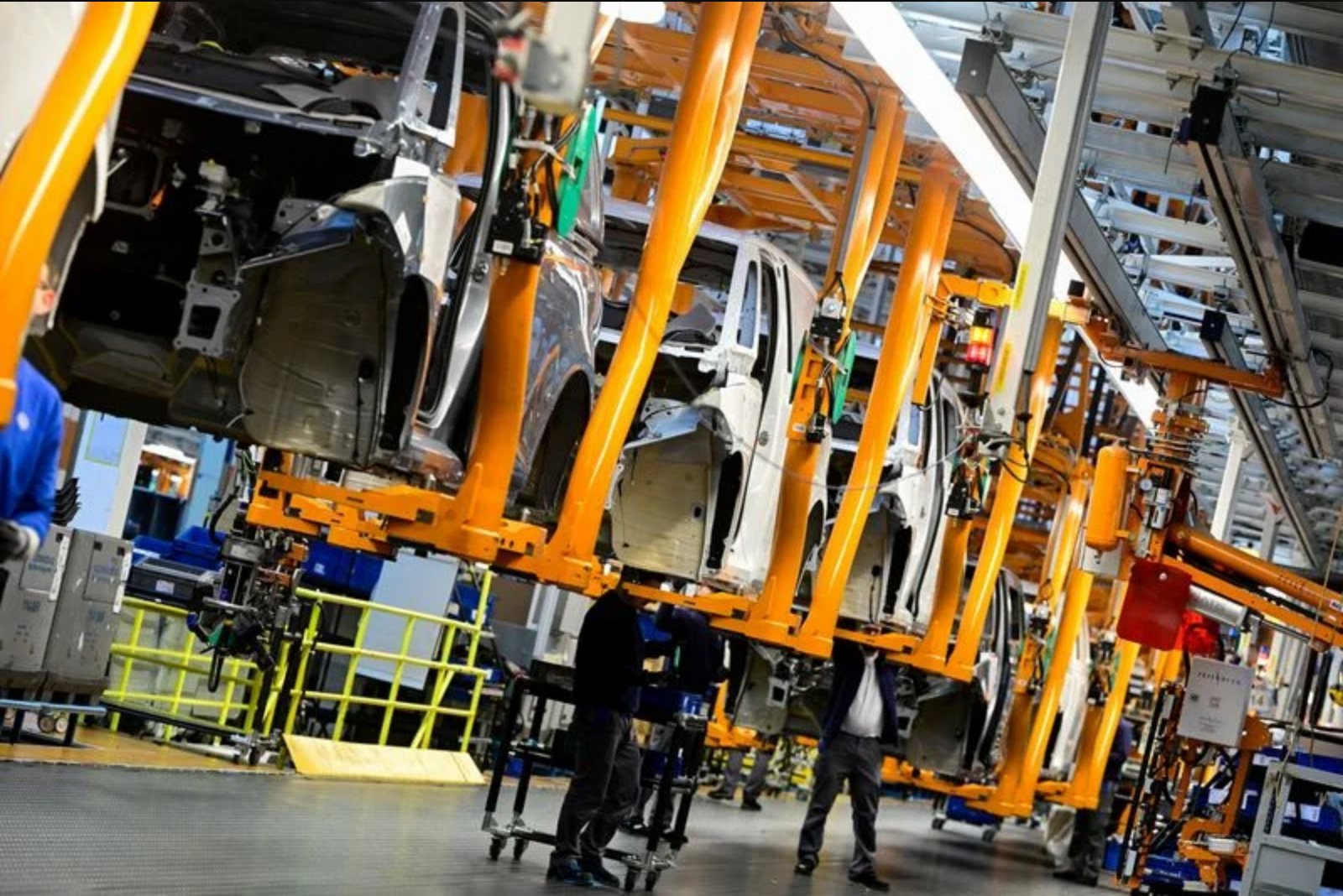
Wolfsburg, Germany, July 9 - Volkswagen is taking a pivotal step in attempting to reshape its operations as senior stakeholders gather to consider a sweeping restructuring package that would intensify job reductions and close multiple German production sites. The supervisory board meeting at Volkswagen's Wolfsburg headquarters, due to begin at 1230 GMT, places CEO Oliver Blume at the center of a test of his ability to win support from the board's influential labour representatives.
The proposals under consideration include the potential closure of four German plants - Hanover, Emden, Zwickau and Audi's Neckarsulm facility - alongside plans to cut as many as 100,000 jobs across the group. That figure would represent a doubling of the current number of planned reductions and, if approved, would stand as the largest restructuring in the group's history.
Management's push for a major overhaul comes as Volkswagen confronts a mix of elevated operating costs and surplus manufacturing capacity within Germany. The group also faces intensified competition from Chinese automakers and the added strain of tariffs on car imports into the United States, factors cited by company officials as contributing to pressure on the existing business model that sustained growth for decades.
Volkswagen's supervisory board is composed of representatives from the owner families, union delegates and the state government of Lower Saxony - a configuration that complicates consensus-building. Alongside the labour faction Blume must persuade, the executive also confronts unease from the Porsche and Piech owner families, who have witnessed substantial declines in the market value of their core holdings in recent years.
In the wake of these dynamics, sources close to the company have said management is considering closing the four mentioned German plants and implementing the expanded job-cut programme. Those same sources characterize the plan as the most far-reaching restructuring the group has contemplated.
Blume faces the additional constraint that, in late 2024, unions negotiated a commitment from Volkswagen's management to avoid closing German plants as part of a prior restructuring agreement. Since that deal, Volkswagen has been pursuing alternative uses for underutilised facilities rather than outright shutdowns. Initiatives under consideration have included searching for a defence-sector partner for the Osnabrueck factory and evaluating the feasibility of producing models originally destined for the Chinese market at sites in Germany.
Industry capacity projections underline the scale of the adjustment challenge. Mobility Global data reviewed by company observers indicates that Volkswagen's car plants in Germany are expected to operate at roughly 81% of standard capacity in 2026. That utilisation is forecast to decline to around 73% by the end of the decade, even after removing Osnabrueck from the network. Among the four plants reported as threatened with closure, Zwickau shows the strongest near-term performance, with utilisation estimated at 88% in 2026 but plunging to 42% by 2030 under current projections.
These figures help explain unions' hardening stance. Ahead of the board meeting, Germany's largest industrial union, IG Metall, mobilised demonstrations at roughly 20 Volkswagen Group sites nationwide to oppose the proposed cuts and to demand assurances that German production will be safeguarded.
"This is a clear message to the board: Not on our watch!" IG Metall President Christiane Benner, who also serves as deputy chair of Volkswagen's supervisory board, said in a statement. "In difficult times, we stand together and demand that the group and policymakers come up with ideas and plans to ensure full capacity at our plants and protect us from unfair competition," she added.
The clash at the supervisory board will test how Volkswagen balances competing priorities: the need to address structural overcapacity and rising costs, the obligation to protect jobs and domestic production, and the influence of family owners intent on stemming further erosion of their investments' value. The outcome of the meeting will determine whether management secures backing for the most extensive restructuring the group has considered, or whether alternative measures aimed at repurposing assets and preserving plants will prevail.
Contextual note: The supervisory board meeting is scheduled to begin at 1230 GMT in Wolfsburg on July 9.